

26 GTA 6 Screenshot Comparisons Showing How Much Things Have Changed Since Vice City
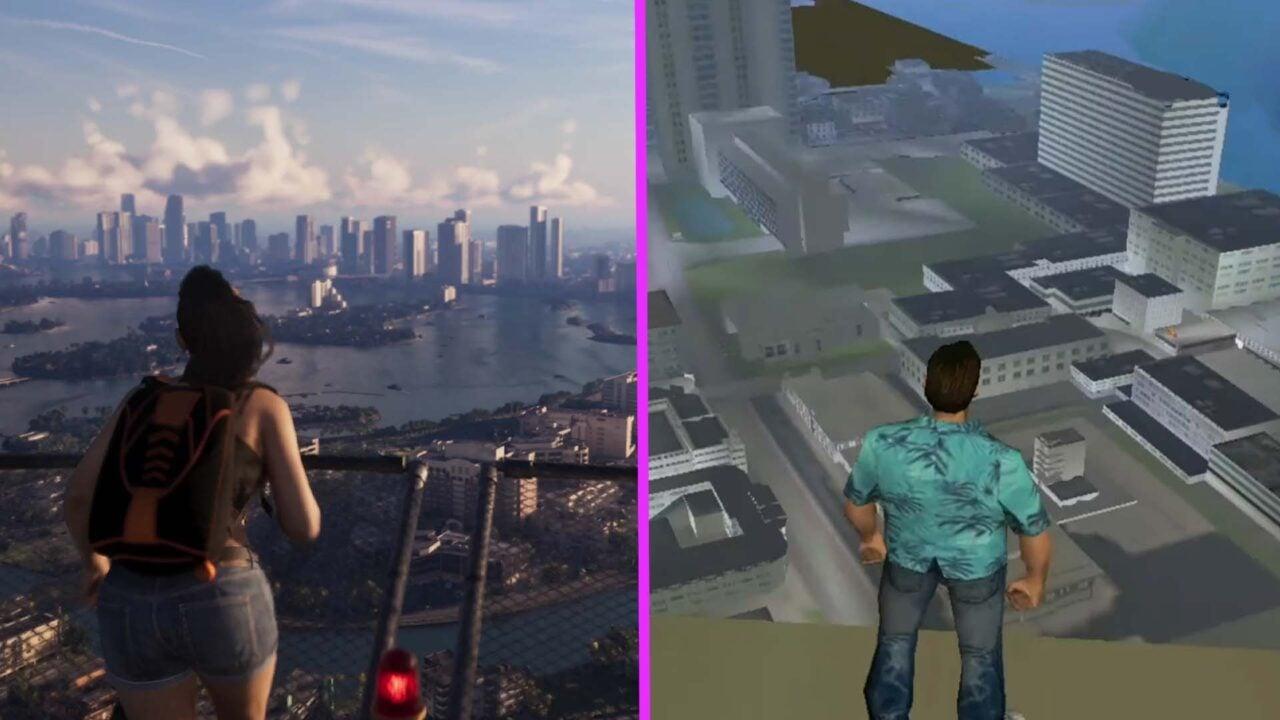
Rockstar Games has officially unveiled the first substantial gameplay for Grand Theft Auto VI, offering a nearly thirty-minute look at the long-anticipated sequel. According to Kotaku, this extensive reveal allows for a direct technical comparison between the new entry and the studio's 2002 classic, Grand Theft Auto: Vice City. By juxtaposing screenshots from the modern title with imagery from both the original PlayStation 2 release and the PC port of the older game, the differences in graphical fidelity are starkly apparent. The sheer scale of the visual upgrade is difficult to overstate, marking a significant departure from the stylistic constraints that defined the early 2000s open-world genre.
The side-by-side analysis highlights specific environmental details that showcase the maturity of Rockstar’s RAGE engine. For instance, a rundown trailer park in modern Florida, rendered with current-generation hardware, captures the decay and texture in a way that the 2002 iteration could only approximate. Similarly, the interior of a dance club in the new title is densely populated and vibrant, contrasting sharply with the sparser Malibu Club from the previous Miami-based entry. These comparisons serve as a testament to how far the medium has advanced, even though fans will always cherish the unique aesthetic charm of the original Vice City era.
This visual leap is not merely a result of better hardware, but also of time and resources. Development on the 2002 title was completed in approximately one year, a feat that is almost incomprehensible when compared to the nearly decade-long production cycle leading up to this new installment. The extended development period has allowed Rockstar to refine every aspect of the world, from lighting models to crowd density, ensuring that the reimagining of Miami feels both familiar and entirely new. The patience required to wait for this game has clearly been repaid with a level of detail that was impossible to achieve two decades ago.
The timing of this reveal is critical, as Grand Theft Auto VI is slated for release in November 2026 on PlayStation 5 and Xbox Series X|S. This marks the first mainline entry in the franchise since 2013, ending a twelve-year gap that has kept the community in a state of perpetual anticipation. The game returns to a reimagined version of Vice City, now situated within the fictional state of Leonida, and introduces a new dual-protagonist structure centered on Jason and Lucia. This narrative and setting choice signals Rockstar’s intent to honor the series’ history while firmly establishing its own identity for the next generation of players.
From an editorial standpoint, this extended development window suggests a strategic shift for Rockstar Games and its parent company, Take-Two Interactive. The company has moved away from the rapid-fire release cadence that characterized the mid-2000s, opting instead for a slower, more meticulous approach that prioritizes long-term world-building over short-term profit. This decision likely reflects an awareness that the modern market expects a level of immersion and polish that cannot be rushed. By investing a decade into a single title, Rockstar is positioning GTA VI not just as a video game, but as a cultural event that must justify its own massive scale through unparalleled quality.
The comparison to Vice City also serves as a reminder of the franchise’s roots. While the graphics have undeniably improved, the core appeal of the series remains tied to its satirical take on American culture and its open-ended gameplay loops. The fact that Rockstar is revisiting a location they made famous over twenty years ago indicates a confidence in the brand’s legacy. It suggests that they believe the foundation laid in 2002 is strong enough to support a modern retelling, rather than needing to invent an entirely new setting to distract from potential creative stagnation.
Ultimately, the visual evidence presented in these comparisons reinforces the notion that the wait for Grand Theft Auto VI has been necessary. The disparity between the 2002 and 2026 visuals is so profound that it underscores why the industry has struggled to replicate Rockstar’s success in the open-world space. As players prepare for the November launch, these images serve as both a celebration of technological progress and a promise that the next chapter in the GTA saga will be a definitive experience for the platform. The trajectory is clear: Rockstar is not just catching up to modern standards; they are setting new ones.