

After 18 years, GTA 6 might finally fix a graphical bug that's plagued Rockstar's games since GTA 4
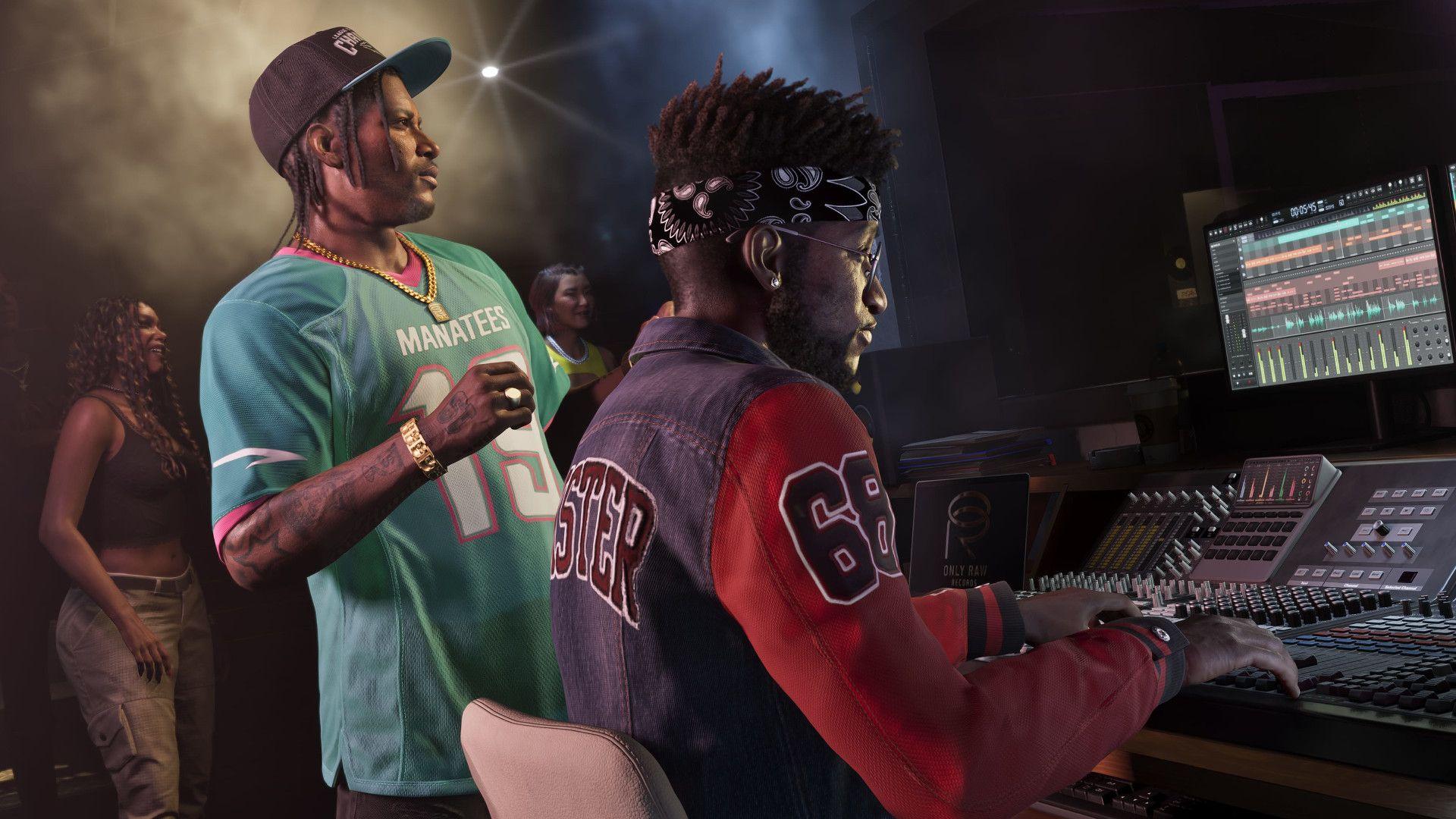
For over a decade, a subtle but persistent flaw has haunted the visual presentation of Rockstar Games' open-world titles, often manifesting as uneven pacing in character movements and camera transitions. This phenomenon, frequently described by players as a herky-jerky stop-motion effect, has been a familiar sight for anyone who has spent time in the streets of Los Santos or the plains of New Austin. While many fans may have grown accustomed to this quirk, GamesRadar highlights that it stems from deep-seated issues within the RAGE engine, the proprietary technology that has powered the franchise since the release of Grand Theft Auto 4 in 2008. The problem is not a simple frame drop, but rather a synchronization issue that affects the smoothness of animation playback, giving the games an unintended, choppy aesthetic that has persisted through every major release in between.
Grand Theft Auto 6 was initially expected to continue this legacy, as early promotional materials and gameplay reveals displayed the same characteristic stuttering. Analysis from Digital Foundry confirmed that the issue was present in every trailer up to the extended gameplay look, reinforcing the notion that the engine's limitations were still intact. However, the recently unveiled launch trailer presents a striking departure from this pattern. Despite utilizing extensive panning camera shots—scenarios where animation irregularities are typically most visible—no evidence of the traditional stutter can be found. The smoothness of the movement in this latest footage suggests a significant technical shift, or at least a rigorous smoothing pass, that distinguishes it from all previous previews of the title.
It is worth considering whether this clarity is merely the result of curation, with Rockstar selecting specific scenes that avoid the known glitches. However, the likelihood of this explanation diminishes when considering the developer's historical transparency. In prior years, the studio did not attempt to mask these visual inconsistencies in their marketing materials, allowing the quirks of the RAGE engine to remain visible to the public. Given that Rockstar has stated they are still refining the game right up until the final moments before release, the absence of the stutter in the launch trailer carries significant weight. It implies that the issue may have been fundamentally addressed rather than simply edited out of the promotional cut.
This potential fix lands on the eve of the most anticipated window for the franchise, with the game slated for release in 2026 on PlayStation 5 and Xbox Series X|S. As the first mainline entry since Grand Theft Auto V in 2013, GTA 6 is expected to transport players back to a reimagined Vice City, set within the fictional state of Leonida, and follow the intertwined stories of protagonists Jason and Lucia. The fact that the long-standing graphical annoyance might be resolved adds another layer to the production value fans have been waiting for. It signals that the studio has not only updated the art direction and scope but has also prioritized the mechanical smoothness that modern hardware can support, setting a new benchmark for the franchise's technical presentation.
From an editorial standpoint, this development is significant because it challenges the assumption that the RAGE engine is a static, unchangeable platform. If Rockstar has successfully eliminated a bug that has been present for nearly two decades, it suggests a deeper level of engineering investment than previously acknowledged. For Take-Two and Rockstar, this is a critical moment; the reputation of GTA 6 is already immense, and any remaining technical hiccups could be magnified by the scale of audience attention. A smooth, consistent presentation is essential to justifying the price point and the hype surrounding the release. It demonstrates that the developer is attentive to the detailed feedback of the community and is willing to overhaul core systems to ensure the experience feels polished and modern, rather than relying on the sheer novelty of the new content to distract from underlying technical flaws.
Ultimately, the resolution of this animation stutter could redefine how players perceive the fidelity of Rockstar's world. If the game ships with the same fluidity seen in the recent trailer, it will mark a clean break from the technical lineage of its predecessors. This is not just a cosmetic upgrade; it is a fundamental improvement in the feel of the game, ensuring that the traversal and combat mechanics feel responsive and immediate. As the release date approaches, this single detail serves as a promising indicator of the overall quality of the final product, suggesting that the team has listened to the fine-grained critiques of the community and acted upon them. It is a quiet but powerful signal that the longest wait in the franchise's history is being met with a thorough, detail-oriented approach to development.