

As GTA 6 Skips Discs, GameStop CEO Says Digital-Only 'Has Hurt Consumers' and Retailers
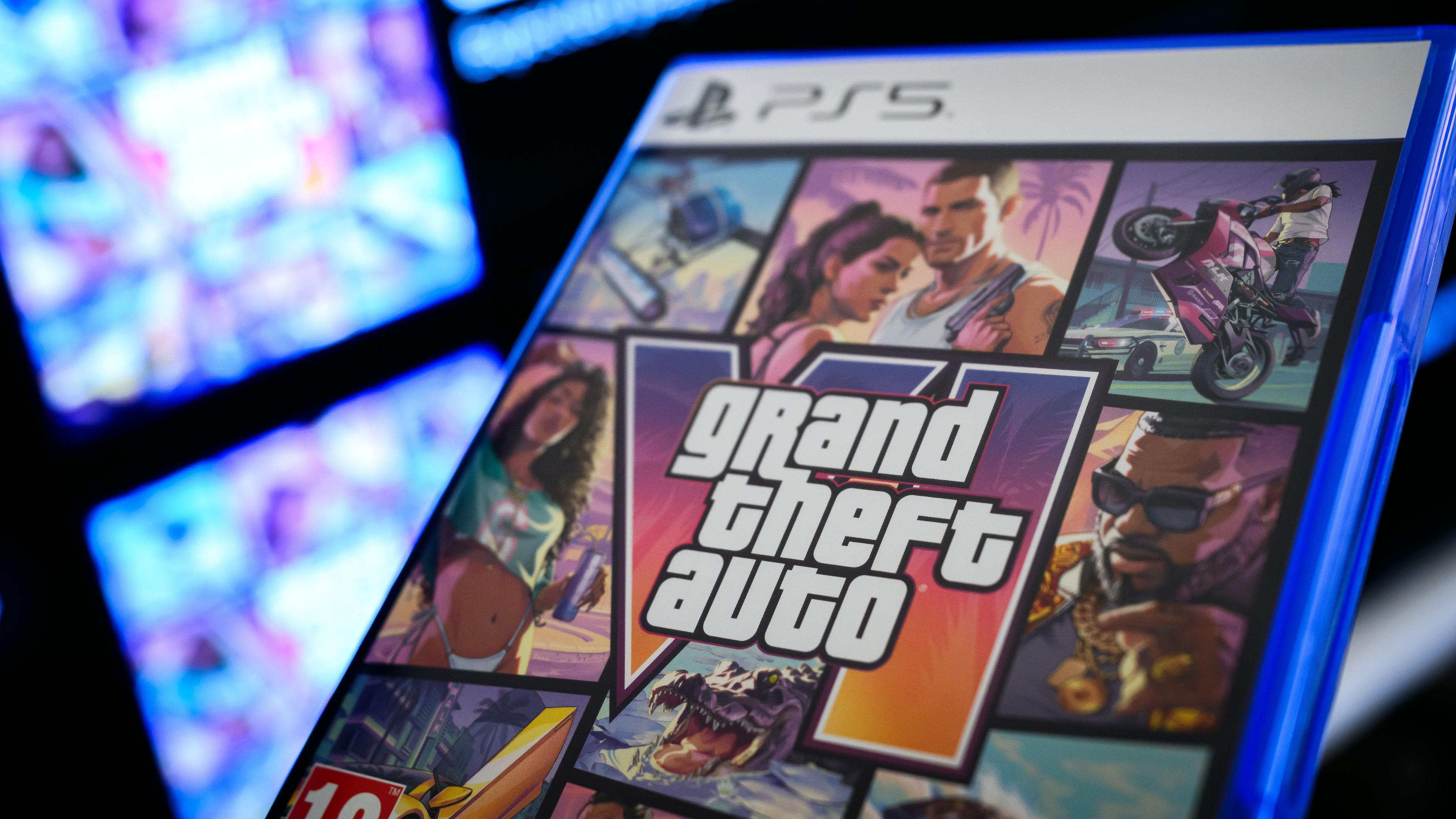
The revelation that Grand Theft Auto VI is poised to bypass physical shelves has triggered a sharp critique from traditional retail leadership. GameStop chief executive Ryan Cohen recently voiced strong frustration regarding the industry's accelerating abandonment of boxed media, framing the shift away from optical discs as a double blow to storefronts and everyday buyers alike, according to IGN. While publishers continue to streamline distribution pipelines directly through proprietary digital ecosystems, the prospect of the biggest entertainment launch in history skipping disc manufacturing represents a consequential turning point for physical gaming retail.
Speaking with Bloomberg, Cohen argued that modern digital storefronts systematically strip players of fundamental rights long associated with software purchases, particularly the freedom to recoup costs or share copies. "When you buy a game, you should be able to sell it, trade it or lend it to a friend," Cohen stated. Expanding on the financial toll facing brick-and-mortar operations reliant on used inventory, he added, "Unquestionably, the decision to move to all digital has hurt consumers, and it's also hurt GameStop." The pre-owned trade-in ecosystem has served as GameStop's primary profit engine for decades, and losing access to a commercial juggernaut of this scale eliminates an enormous pipeline of recurring revenue.
The friction surrounding this distribution strategy is magnified by the unprecedented scale of the production itself. Serving as the first primary installment in the franchise since Grand Theft Auto V arrived in 2013, GTA 6 is scheduled to hit PlayStation 5 and Xbox Series X|S in 2026. The upcoming title marks a massive generational evolution for Rockstar Games, transporting players into the state of Leonida and a modernized Vice City through dual protagonists Jason and Lucia. With the release widely projected to shatter commercial records, any distribution model Take-Two Interactive establishes here will inevitably set the precedent for the entire console market.
From an editorial perspective, Take-Two's willingness to abandon disc media demonstrates just how comfortable major publishers have become with dictating the terms of ownership. After waiting well over a decade for a new Grand Theft Auto, consumers are effectively being informed that physical stewardship is a relic of the past, leaving them with conditional software licenses rather than permanent property. For Take-Two and Rockstar, the financial logic is obvious: eliminating factory pressing, physical logistics, and retail cuts widens profit margins while neutralizing used-copy circulation. Yet, reducing a cultural milestone of this magnitude to an encrypted digital entitlement cheapens the tangible celebration fans have historically enjoyed, trading consumer flexibility for corporate efficiency.
While Cohen's defense of physical ownership naturally aligns with his company's commercial survival, his underlying warning resonates with players concerned about digital permanence. When a title carrying the cultural gravity of Grand Theft Auto foregoes physical discs, rival publishers will interpret the move as clear permission to follow suit across the board. Downloadable distribution undoubtedly offers immediate convenience, but without physical copies to anchor genuine ownership and provide a competitive pricing alternative, the long-term balance of power tilts decisively away from players.