

Company Behind GTA-Like Samson Goes Bankrupt Six Months After Release
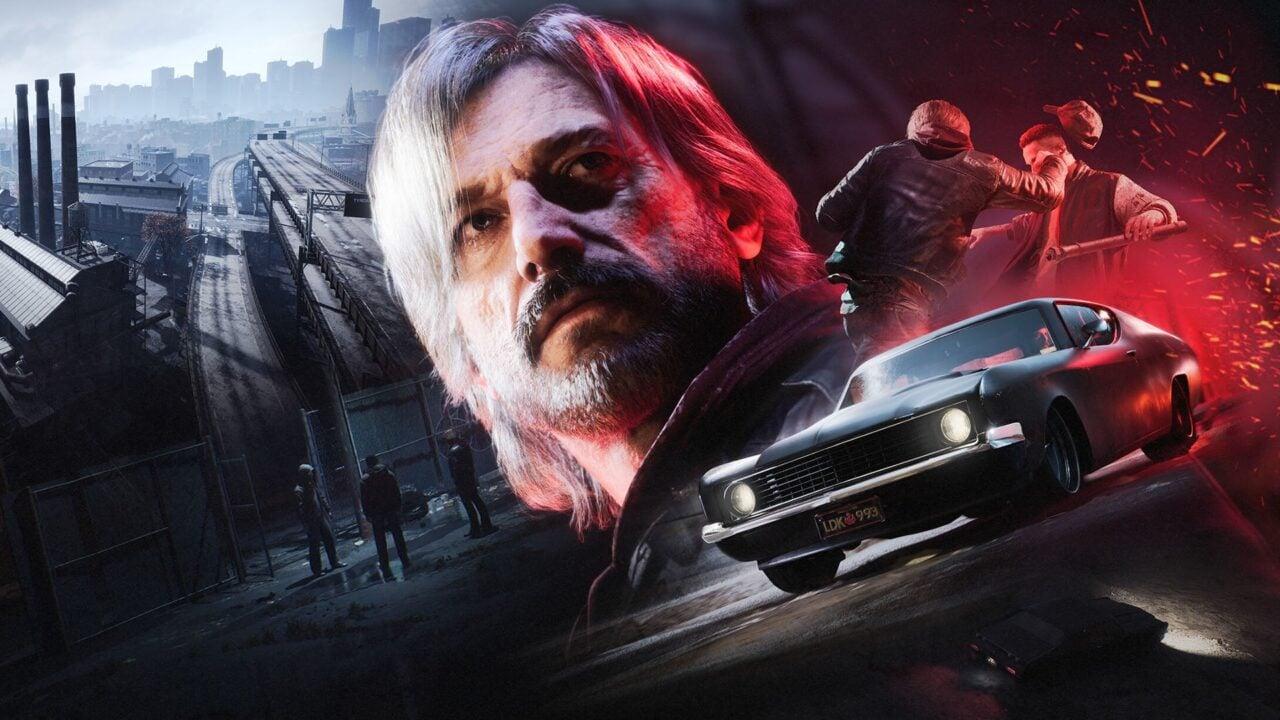
The short-lived lifespan of Liquid Swords serves as a sobering reminder of the high stakes involved in independent game development, particularly within the open-world genre. According to Kotaku, the Swedish studio, which was established in 2020 by Christofer Sundberg, a former co-founder of Avalanche Studios, has officially filed for bankruptcy. Sundberg is well-known in the industry for his work on the *Just Cause* series, and his new venture aimed to capture the spirit of major sandbox titles with their sole release, *Samson*. The legal proceedings were triggered by an order from the Stockholm District Court, marking the abrupt end of a studio that struggled to survive even the post-launch period of its debut project.
The primary catalyst for the studio’s collapse appears to be the troubled state of *Samson* at its initial release on Steam in April 2026. The title failed to generate the necessary revenue to sustain operations, compounding the financial damage caused by widespread criticism regarding its technical stability. With a Metacritic score of 51 percent, the game was panned for a multitude of bugs and performance hitches that plagued early adopters. In response, Sundberg published a direct apology to the community, acknowledging that the launch condition was "unacceptable" and promising to rectify the "game-breaking bugs and performance issues" through subsequent patches, though these efforts ultimately proved insufficient to save the company.
The human cost of this failure is significant, as reports indicate that the studio employed nearly 30 developers who have reportedly gone unpaid since August 2026. Despite the financial distress, the team continued to work through the autumn, pushing out a patch for the PC version in October and releasing the game on PlayStation 5 and Xbox Series consoles in late September. However, the studio’s ability to continue supporting the title is now in serious jeopardy. An administrator appointed to the firm, Cirio Law, has placed the developer’s assets, including the rights to *Samson*, up for auction. The bidding period concludes on October 21, a deadline that will determine whether the game finds new stewardship or fades into obscurity.
This collapse lands in a somewhat ironic context for fans of the genre, as it occurs during a period of heightened anticipation for the next installment in the flagship open-world series. GTA VI is currently slated for a 2026 launch on PlayStation 5 and Xbox Series X|S, promising a return to a reimagined Vice City and the fictional state of Leonida. The long-awaited entry, which will star Jason and Lucia, represents the first mainline Grand Theft Auto title since *GTA V* in 2013. The fact that a game attempting to emulate the GTA playbook has failed so rapidly, while the actual sequel approaches, underscores the immense gulf between independent ambitions and the resources required to execute such a complex vision at scale.
From an editorial perspective, the bankruptcy of Liquid Swords highlights a dangerous trend in the modern gaming market where the barrier to entry for open-world games has lowered in terms of visibility but risen exponentially in terms of execution cost. The fact that Sundberg, a veteran of the *Just Cause* franchise, could not sustain a studio of his size for less than a year post-launch suggests that the current economic climate is particularly unforgiving for mid-tier developers. This is not merely a story about a bad launch; it is a warning about the fragility of studios that do not have the deep pockets of a AAA publisher to buffer them against initial commercial disappointment. If a team with this level of experience can fall this quickly, it raises questions about the sustainability of the independent sector as a whole.
For Take-Two Interactive and Rockstar Games, this event may serve as a quiet lesson in the necessity of their vast development budgets and long production cycles. As GTA VI prepares to enter the market, the failure of a direct competitor in the sandbox space reinforces why Rockstar has maintained such a conservative release schedule and why they have doubled down on a single, monumental project for a decade. The market is not necessarily shrinking for open-world games, but it is becoming more bifurcated, with success concentrated in a few extremely high-budget titles while the middle ground crumbles under the weight of development costs and player expectations. The auction of *Samson*’s assets in late October will be the next key date to watch, as it may reveal just how difficult it is to find a buyer for a game that failed to find an audience.
As of now, neither Sundberg nor the studio has offered any public commentary on the bankruptcy order via their social media channels, leaving players to speculate on the future of the title. The situation leaves a lingering question about whether the game will receive the updates it needs to become a viable product, or if it will be left as a cautionary tale of modern game development. The closure of Liquid Swords serves as a stark counterpoint to the massive marketing machine currently building toward the release of GTA VI, reminding the industry that even with talented developers at the helm, the path to a successful open-world release is fraught with financial peril.