

Dan Houser Reveals How 9/11 Changed GTA Forever
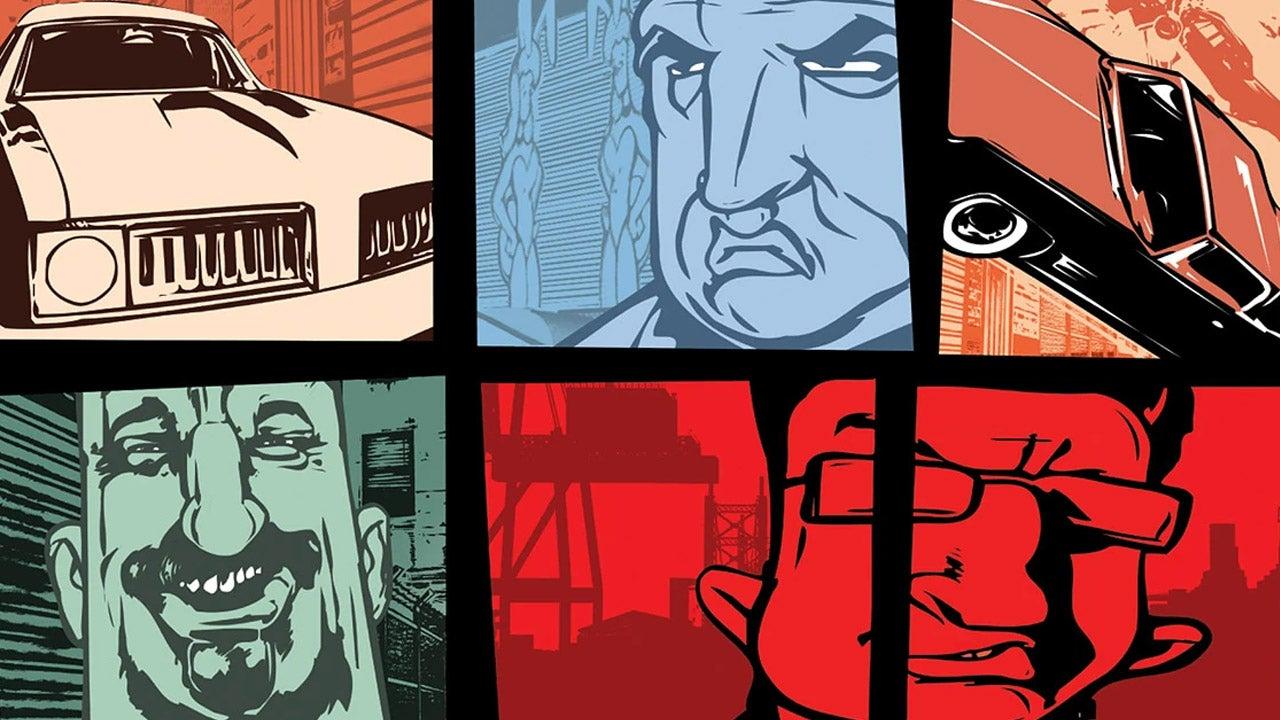
The visual identity of the Grand Theft Auto franchise has become a cornerstone of modern gaming aesthetics, characterized by a distinctive collage of characters and locales that graces every box since the 2001 release of GTA 3. However, according to recent reporting by IGN, this iconic design language was not always the intended path for the series. In a conversation conducted for the IGN30 Icons Series, former Rockstar Vice President and primary narrative architect Dan Houser reflected on the nearly discarded origins of this style. Houser, who penned the stories for the studio's titles from 1999 through the 2018 launch of Red Dead Redemption 2, disclosed that the cover art we now recognize almost entirely failed to materialize as originally conceived, highlighting how close the series came to adopting a completely different visual presentation for its physical media.
This revelation comes at a pivotal moment for the franchise, which is on the cusp of its most anticipated entry to date. Grand Theft Auto VI is scheduled to launch in 2026 for PlayStation 5 and Xbox Series X|S consoles, marking the first mainline installment in the series since the 2013 release of GTA V. The upcoming title will transport players to a reimagined version of Vice City, set within the fictional state of Leonida, and will feature a dual protagonist narrative centered on the criminals Jason and Lucia. For a fanbase that has waited over a decade for this specific entry, every detail regarding the production history and creative decisions carries significant weight, providing a lens through which to view the studio's evolution and commitment to the series' legacy.
When discussing the permeation of his work into real-world culture, Houser expressed a complex mix of pride and observation regarding how the franchise's imagery has become ubiquitous. His comments, shared during the IGN interview, offer a rare glimpse into the mindset of the writer responsible for the majority of the series' narrative identity. By examining the almost-alternative path the cover art could have taken, Houser illustrates the iterative and often unpredictable nature of major game development. It serves as a reminder that the polished, recognizable brand we see today is the result of countless discarded concepts and strategic pivots made over two decades of continuous output from Rockstar Games.
From an editorial standpoint, this discussion of design history is far more than a trivia point; it underscores the deliberate curation behind the franchise's cultural footprint. The fact that the series' visual signature was not set in stone reveals a dynamic creative process where aesthetics evolve alongside gameplay and narrative. For Take-Two Interactive, the parent company, maintaining this consistent yet evolving identity is crucial for sustaining the massive commercial success the brand has enjoyed. Understanding that the current look was a choice made after alternatives were considered adds a layer of intentionality to the marketing and design strategies that have kept GTA at the forefront of the industry. It suggests a studio that is willing to revisit and refine its core elements, ensuring they remain relevant to contemporary audiences while honoring the roots that established the series in the early 2000s.
The context of this revelation is further amplified by the sheer scale of the upcoming release. After a thirteen-year gap between mainline titles, the pressure on Rockstar to deliver a seamless blend of nostalgia and innovation has never been higher. The return to a Vice City setting, now expanded into the broader locale of Leonida, signals a comprehensive overhaul of the open-world formula. The introduction of Jason and Lucia as the central figures also marks a significant narrative shift, moving beyond the traditional single-protagonist or gang-focused structures of earlier entries. This period of anticipation has allowed fans to dissect every piece of information released by the studio, making Houser's insights into the series' origins particularly resonant. It reinforces the idea that GTA 6 is not just another entry in a long-running list, but a culmination of two decades of creative experimentation and refinement.
Ultimately, Houser's reflections serve as a bridge between the past and the future of the franchise. By acknowledging the near-misses and alternative paths in the series' history, he humanizes the development process and highlights the fragility of the decisions that define a major IP. As we approach the 2026 launch, these behind-the-scenes details provide valuable context for understanding the final product. They remind us that the game we are eager to play is the result of a long, complex journey filled with creative risks and calculated choices. For players who have followed the series since its inception on PlayStation 2, this perspective offers a deeper appreciation for the craft involved in building one of the most recognizable brands in entertainment history.