

Ex-Rockstar dev's chilling new psychological horror could be the next Silent Hill – even in a rough design build
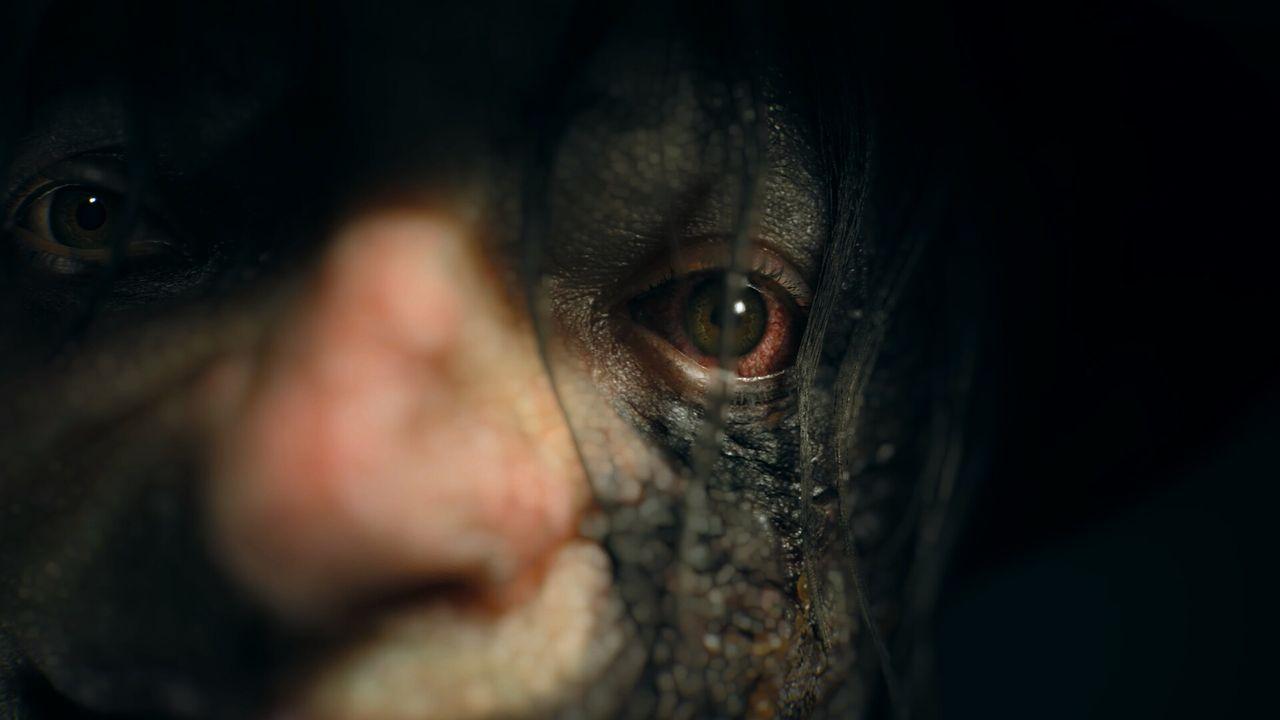
James Macleod, the former Rockstar Games developer who helped shape both Grand Theft Auto V and Red Dead Redemption 2, is currently steering a very different kind of project from his studio, Vertpaint. According to GamesRadar, the new title, Ritual Tides, is a psychological horror experience that leans heavily into the atmospheric dread of Silent Hill and the visceral immersion of recent Resident Evil entries. Although the demo build shown at Gamescom was technically unstable, Macleod managed to present a functional level design build that offered a glimpse into the game’s grim aesthetic and core mechanics. The presentation highlighted a hand-painted statue named Agnes, a grotesque blend of insectoid and fleshy features, which served as a striking visual anchor for the studio’s intent to create something deeply unsettling.
The narrative focus of Ritual Tides is explicitly centered on the female experience of fear and safety, a theme Macleod explored through personal anecdotes about walking with his sisters. He noted that women often perceive danger in urban environments differently than men, a disparity he wanted to capture through gameplay and story. The protagonist wakes up amnesiac on a beach in the fictional coastal town of Hortus, gradually uncovering a history that Macleod described as particularly horrific for women. This approach aligns with a broader trend in horror media that utilizes body horror and psychological tension to comment on real-world societal issues, moving away from purely supernatural threats to explore the tangible anxieties of living in an unsafe world.
Mechanically, the game appears to prioritize vulnerability over combat prowess, with the protagonist lacking military training and relying on basic melee weapons that feature a durability system. Macleod emphasized that the character is not a warrior, and the recommended strategy for survival is often to retreat rather than engage. The rough build demonstrated a gritty, fog-blanketed environment that evokes the oppressive atmosphere of classic survival horror, while the first-person perspective aims to heighten the sense of immediate threat. Despite the technical hiccups during the preview, the design build successfully conveyed the tone of isolation and the weight of the heroine’s burden, suggesting a game that values atmosphere and narrative weight over high-octane action sequences.
For readers of gta6-base.com, this development marks a significant moment in the broader context of Rockstar’s legacy and the current gaming landscape. Ritual Tides is not a Grand Theft Auto title, but it is a direct outgrowth of the creative talent that built the franchise’s modern identity. As we approach the anticipated 2026 launch of Grand Theft Auto VI on PlayStation 5 and Xbox Series X|S, the departure of key figures like Macleod to pursue independent projects highlights the diverse trajectories possible for developers who have spent their careers within the Rockstar ecosystem. GTA VI is poised to return players to a reimagined Vice City within the state of Leonida, following the story of protagonists Jason and Lucia, marking the first mainline entry in the series since 2013. The contrast between the open-world chaos of GTA and the claustrophobic dread of Ritual Tides illustrates the range of storytelling tools available to these creators.
It is worth considering why a former Rockstar lead would pivot so dramatically toward a niche, challenging genre like psychological horror. The survival horror market has seen a resurgence, with titles emphasizing narrative depth and player vulnerability resonating strongly with modern audiences. Macleod’s insistence that the subject matter is difficult to sell to major publishers suggests a commitment to artistic integrity over commercial safety. This decision may reflect a desire to explore themes that do not fit neatly into the satirical, expansive canvases of GTA or Red Dead Redemption. By focusing on the specific, often overlooked experiences of women in spaces of danger, Ritual Tides offers a counterpoint to the often male-dominated perspectives that have historically driven the genre, potentially expanding the emotional range of what a survival horror game can be.
From an editorial perspective, this project underscores the importance of creative autonomy for developers who have worked under the intense scrutiny of one of the industry’s most demanding studios. The decade-long wait for GTA VI has created a unique space in the market where fans are eager for new experiences from these creators, even if they are not part of the flagship franchise. Ritual Tides could serve as a testbed for new narrative techniques and atmospheric design that might influence future Rockstar projects, or it may stand as a standalone masterpiece that defines Macleod’s next chapter. For Take-Two and Rockstar, the success of such independent ventures by former employees can only enhance their reputation for fostering talent, even as those talents move on to pursue their own visions. The horror genre is evolving, and having such high-profile developers contribute to its growth is a positive sign for the medium’s future.
Ultimately, Ritual Tides represents a bold step for Vertpaint and James Macleod, challenging the conventions of both the horror genre and the expectations set by his previous work. The rough state of the demo build does little to dampen the promise of the game’s conceptual foundation, which is clearly driven by a desire to tell a compelling, empathetic story. As we look forward to the massive release of GTA VI, it is refreshing to see that the creative minds behind these blockbusters are also capable of producing intimate, challenging works that demand different emotional responses from players. Whether Ritual Tides becomes the next iconic entry in the survival horror canon or simply a noteworthy indie title, it is clear that the transition from open-world crime epic to psychological nightmare has yielded a project with distinct artistic ambition and potential for critical acclaim.