
Getting GTA Online players to move on to GTA 6 Online is going to be "a mess" for Rockstar, Valve veteran says
The transition of the massive online player base from Grand Theft Auto V to its successor presents a logistical and psychological hurdle that industry insiders are already grappling with. According to GamesRadar, Chet Faliszek, a writer who spent over a decade at Valve working on titles like Portal and Left 4 Dead, has expressed significant uncertainty regarding how Rockstar Games intends to handle this migration. In a recent YouTube short, Faliszek questioned whether the studio plans to discontinue the current service entirely or if it will allow for a seamless migration where player progression and upgrades carry over. He noted that the lack of clarity on whether players can participate in either ecosystem simultaneously creates a complex scenario that remains entirely unresolved.
While the existence of a next-generation online mode has been hinted at through details emerging from Rockstar’s ongoing labor disputes, it is not yet a confirmed feature of the final product. There is no guarantee that the online components currently in development will survive the final production phase, leaving the fate of the old service in limbo. However, given the speculative multi-billion dollar budget associated with the new title, it is difficult to imagine that Take-Two Interactive would reject the opportunity to establish a new revenue stream. The financial incentives are too substantial to ignore, suggesting that an online component will likely exist in some form, even if its exact structure remains a mystery.
The core of the dilemma lies in the deep emotional and financial investment players have already made into the existing ecosystem. Faliszek points out that for many, the current online mode is effectively free, having been acquired for a negligible cost or bundled with the base game long ago. This makes the prospect of moving to a new platform difficult to justify, as players must weigh the value of a fresh start against the entrenched world they have already built. Faliszek highlights the cynical reality that the primary driver for migration might not be gameplay innovation, but rather improved monetization strategies that allow Rockstar to generate even higher revenue from the same user base.
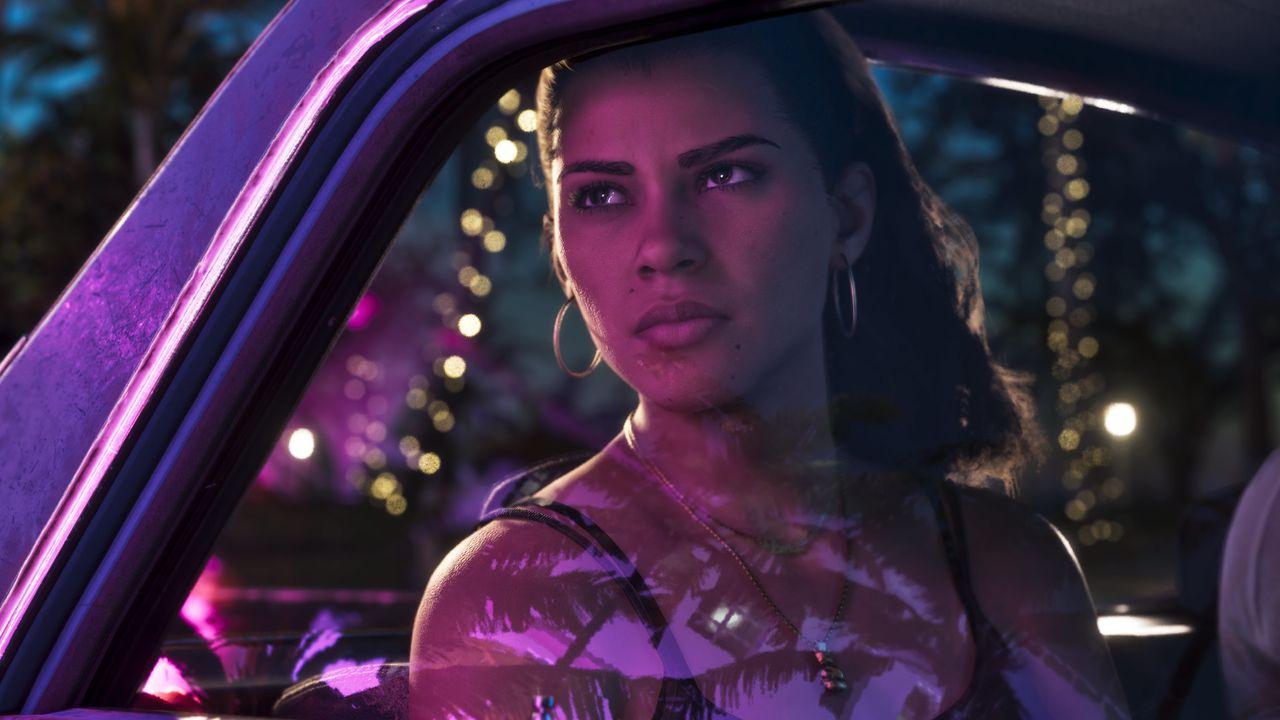
This situation unfolds against the backdrop of a highly anticipated release scheduled for 2026 on PlayStation 5 and Xbox Series X|S. The game marks the first mainline entry in the franchise since 2013 and promises to return players to a reimagined Vice City and the fictional state of Leonida. With new protagonists Jason and Lucia set to lead the narrative, the single-player campaign is designed to stand on its own merits. The return to a setting that blends nostalgic aesthetics with modern technology provides a strong hook for single-player enthusiasts, but it does little to ease the specific anxiety surrounding the continuity of the online service that has defined the previous decade.
It is worth noting that Rockstar has already established a precedent for delayed online launches, as Grand Theft Auto V did not activate its online features until weeks after its initial release. Given the sheer scale of the current project, a similar or even longer wait for the multiplayer component is plausible. This deliberate pacing allows the studio to focus the initial public attention on the single-player narrative, shielding the more controversial aspects of the online transition from immediate scrutiny. By separating the launch of the story mode from the rollout of the service, Rockstar can manage community sentiment more effectively and avoid the backlash that might accompany a simultaneous, potentially flawed, online debut.
There is a strategic logic to this phased approach that goes beyond simple risk management. By delaying the online component, Rockstar effectively decouples the critical reception of the new story from the inevitable controversy surrounding the fate of the old one. If the online mode were launched simultaneously, any negative reception to the migration mechanics or monetization changes would be conflated with the quality of the new game. By keeping the single-player experience distinct, the studio ensures that buyers are purchasing a complete narrative product rather than a preliminary version of a service. This separation allows the company to refine its approach to the online transition based on post-launch feedback and market conditions, rather than forcing a decision before the game even reaches shelves.
Ultimately, the challenge Rockstar faces is less about technology and more about managing the expectations of a community that has spent over ten years building a life within the current system. The fear expressed by commentators is that no matter what decision is made, a segment of the player base will feel stripped of their investment or coerced into a new financial model. However, this also presents an opportunity for the studio to redefine the online experience without the baggage of legacy systems. If executed with care, the transition could serve as a clean break that emphasizes the new features and narrative potential of the next generation, rather than a forced migration that feels like a loss. The key will be in the messaging and the tangible benefits offered to those who choose to move forward.