

Grand Theft Auto 5: The Kotaku Re-Review
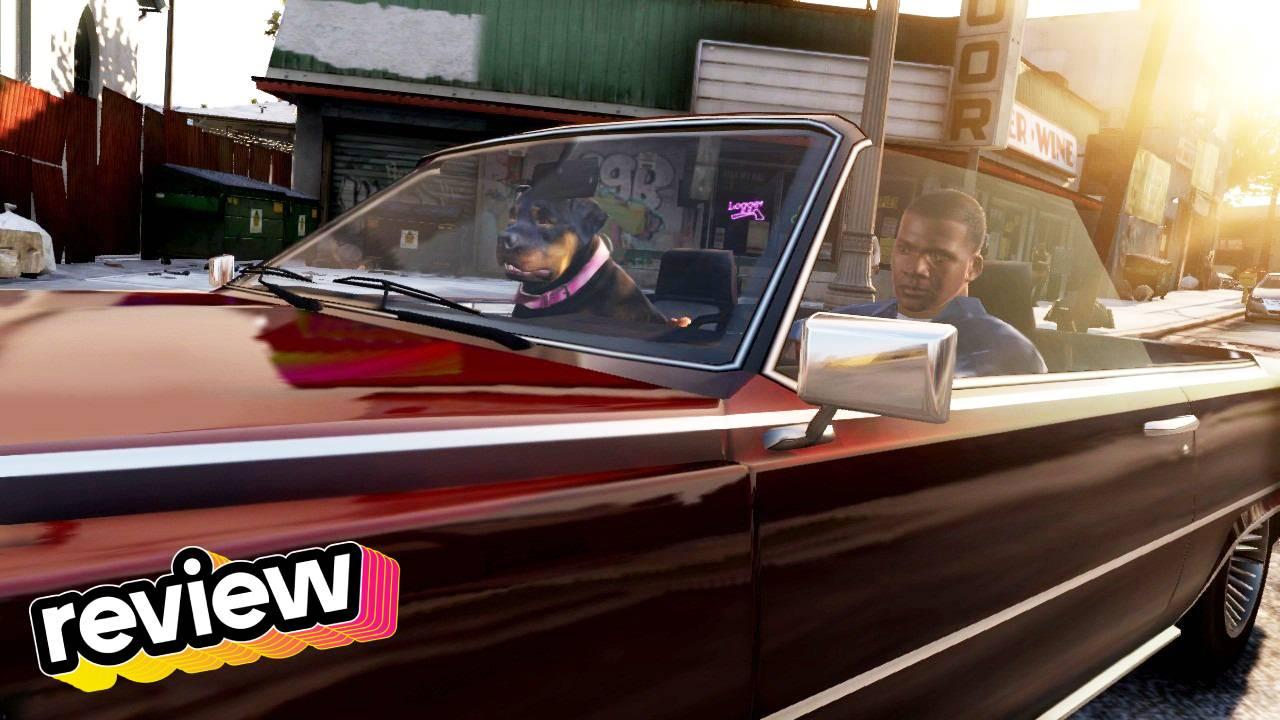
Kotaku has published a provocative re-evaluation of Grand Theft Auto V, arguing that the all-time best-selling title is fundamentally a source of misery rather than joy. The reporting suggests that revisiting the 2013 classic in the shadow of its successor reveals a game that functions more as a chore than an adventure. While the title is often celebrated for its cultural impact, this new perspective highlights how the mechanics are designed to numb the player, turning every interaction into a checklist item that drains rather than excites. It is a stark assessment of a game that has dominated sales charts for over a decade, suggesting that its longevity may be built on a foundation of repetitive tedium.
The critique centers on the disconnect between the game’s vast content library and the emotional void it leaves behind. According to the report, players often find themselves acting as glorified cabbies or mindless avatars of the American dream, engaging in tasks that range from mundane vehicle parking to large-scale heists. The writing notes that even the action sequences fail to deliver a lasting sense of achievement, describing the experience of driving around San Andreas and engaging in firefights as feeling like "nothing." This sense of emptiness is compounded by the game’s minimalist approach to combat, where a simple dot crosshair magnetizes to targets, removing the skill-based friction that typically defines shooter gameplay.
Despite this pervasive sense of meaninglessness, the article acknowledges that the game’s narrative threads provide a necessary counterweight to the mechanical drudgery. The reporting points to the missions involving Trevor Phillips and the Minute Men as a prime example of how the story can cut through the boredom. These sequences are described as morally repugnant and devastatingly effective, serving as a backdrop for sharp social commentary that hits with significant force. This juxtaposition suggests that while the gameplay loop is designed to be compulsive and hollow, the narrative moments are where the game finds its actual weight and relevance, forcing the player to confront uncomfortable themes amidst the routine violence.
This analysis arrives at a critical juncture for Rockstar Games, as the industry and fans prepare for the launch of Grand Theft Auto VI. The sixth installment is the first mainline entry in the franchise since 2013, marking a wait that has stretched across an entire decade. With the game currently scheduled for release later this year on PlayStation 5 and Xbox Series X|S, the spotlight is squarely on whether Rockstar can evolve beyond the formula that made GTA V so commercially successful yet critically polarizing in retrospect. The return to a reimagined Vice City, set within the fictional state of Leonida, along with the introduction of new protagonists Jason and Lucia, signals a desire to refresh the series' identity after more than ten years of stagnation.
From an editorial standpoint, this re-review serves as a crucial warning for Take-Two Interactive and Rockstar as they navigate the final stretch of development. The argument that GTA V is "miserable" implies that the studio cannot simply scale up the same mechanical structure for the next entry; doing so would likely exacerbate the fatigue players already feel. If the previous game’s success was partly due to its ability to fill dozens of hours with low-effort tasks, GTA VI must offer a more engaged and emotionally resonant experience to justify its price point and the decade-long wait. The pressure is not just to match sales figures, but to redefine what a modern open-world game feels like, moving away from the "chore" mentality that has come to define the previous entry.
Ultimately, the value of this perspective lies in its refusal to accept the status quo of the franchise’s legacy. By dissecting the specific mechanics that contribute to player disengagement, the report provides a roadmap for what Rockstar must avoid and what they must innovate. As the launch window approaches, the community is no longer just waiting for a new map or a new pair of characters; they are waiting to see if the studio can address the fundamental design flaws that have made the most successful game in history feel increasingly hollow. The success of GTA VI will likely hinge on its ability to transform that sense of "nothing" into a genuine, sustained excitement that honors the franchise's history without being trapped by it.