

GTA 4’s Three Leaf Clover Heist Showed How Not to Rob a Bank – Art of the Level
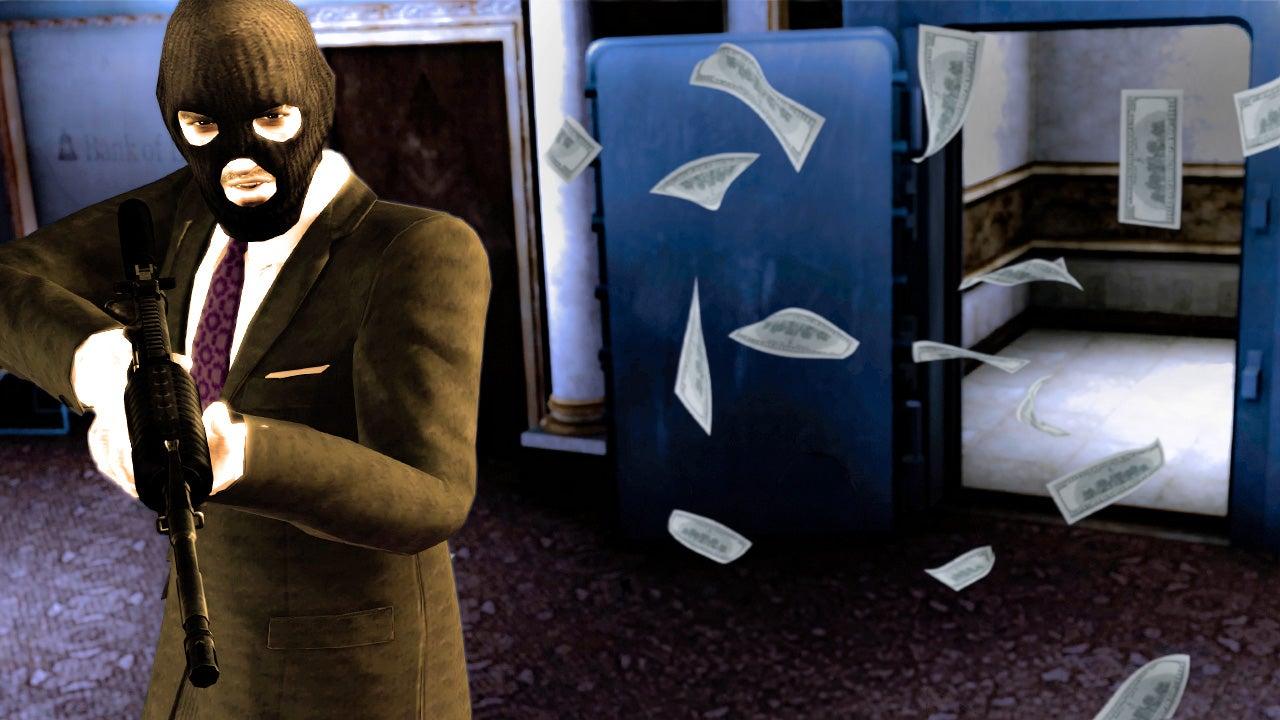
While discussions regarding the greatest mission in Grand Theft Auto V routinely spark debate, the consensus surrounding Grand Theft Auto IV remains remarkably clear. The crown almost universally belongs to Three Leaf Clover, the notoriously chaotic bank job orchestrated by the McReary brothers alongside Niko Bellic. As highlighted in a recent retrospective by IGN, the mission transformed from an argumentative, bumbling stickup into an escalating masterclass of urban combat, paying direct cinematic homage to classic crime thrillers as the crew battled through the gridlocked avenues and subway subterranean tunnels of Liberty City.
The mission stood out so brilliantly in part because of the foundational shift Rockstar Games engineered back in 2008. Coming off the expansive sandbox excesses of San Andreas, the developers made a deliberate choice to scale back peripheral features, doing away with RPG-style gym routines, real estate management, and character weight fluctuations. Liberty City was deliberately cold, melancholic, and mechanically grounded, characterized by heavy automobile physics and lethal, concentrated gunfights. In a campaign populated by relatively compact combat vignettes, the sheer scale and extended running battle of the Chinatown bank robbery served as the title's absolute dramatic and mechanical summit.
Examining this pivotal set piece carries immense relevance today, particularly as the gaming industry reflects on the franchise's evolution during the unprecedented wait for its next chapter. Three Leaf Clover served as the fundamental blueprint for the multi-stage heists that defined GTA V's campaign and drove billions in revenue through Grand Theft Auto Online. However, in standardizing those operations into choreographed checklists, the series sacrificed a degree of the raw unpredictability and genuine peril that made Niko's desperate escape feel so harrowing. For Rockstar Games and parent company Take-Two Interactive, the challenge is not merely scaling up spectacle, but rediscovering that balance where criminal ventures feel dangerous rather than routine.
That legacy will inevitably be tested in Grand Theft Auto VI, which stands as the studio's first mainline installment since Grand Theft Auto V debuted in 2013. Scheduled for an anticipated 2026 launch across PlayStation 5 and Xbox Series X|S, the production transports audiences to the subtropical sprawl of Leonida and a contemporary reimagining of Vice City. With the narrative centered on the criminal partnership of Jason and Lucia, the upcoming title is positioned to return to grounded robbery dynamics. How Rockstar balances high-tech, multi-layered planning against the spontaneous chaos of a plan falling apart will dictate whether the new protagonists match the tension established by their predecessors.
Ultimately, looking back at Liberty City's most celebrated score illustrates the enduring value of mechanical friction over sheer convenience. The Chinatown heist succeeded because the odds felt overwhelming and escape felt genuinely earned amid relentless opposition. As the community counts down the months toward a return to southern waters and neon-lit streets, the hope remains that the modern technological capabilities of current hardware will be used to recapture that authentic, white-knuckle intensity.