

GTA 6 boss says "never say never" when it comes to a new Grand Theft Auto game set outside America
For as long as Rockstar Games has dominated the open-world genre, fans have speculated whether the Grand Theft Auto series might eventually pack its bags and leave American soil behind. That enduring curiosity recently drew a candid response from studio leadership. Speaking to The Guardian, with details subsequently highlighted by GamesRadar, Rockstar North co-studio head and Grand Theft Auto VI lead Rob Nelson addressed the long-standing community debate over an international setting, keeping the door ajar while firmly anchoring the franchise's creative identity in domestic soil.
When pressed on whether a future installment could venture beyond the United States, Nelson offered a measured response: "Never say never, but there's still so much to do in America." Addressing Rockstar North’s Scottish home base and the perception that an overseas developer brings an eccentric vantage point to American excess, Nelson observed, "I think we're all outsiders to this version of America." He further elaborated that "no one experiences the America that we're portraying here in its fullness," underscoring that the studio's surreal, hyper-commercialized landscape is less a strict documentary and more an exaggerated caricature built through a detached lens.
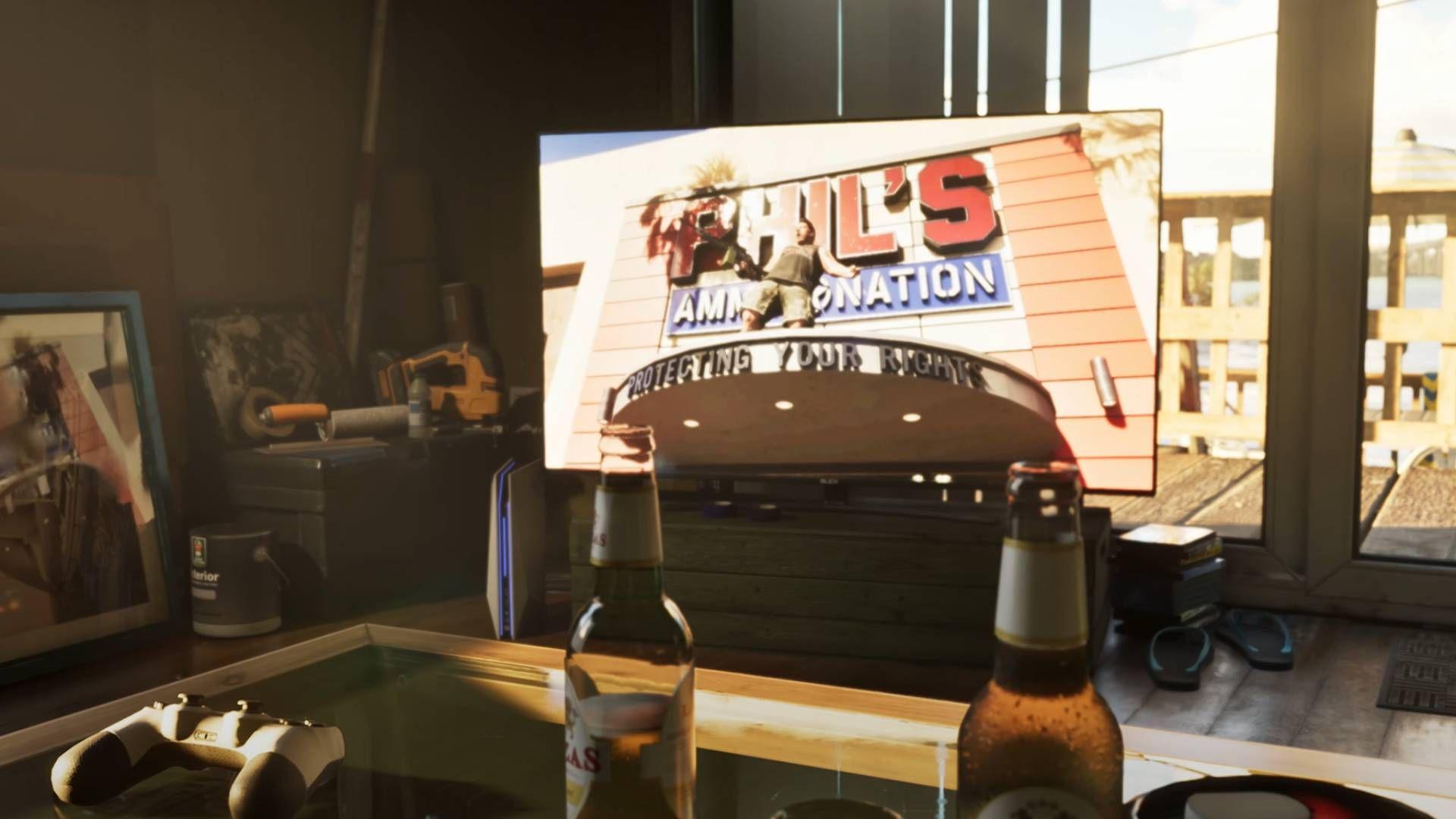
That distinct vision will soon take center stage in Grand Theft Auto VI, which is slated to arrive in 2026 on PlayStation 5 and Xbox Series X|S. Representing the first mainline entry since the runaway success of Grand Theft Auto V in 2013, the upcoming release transports players back to a modernized Vice City and the broader wilderness of the fictional state of Leonida. Centering on dual leads Jason and Lucia, the narrative promises to plunge deep into the eccentricities of contemporary Florida-inspired culture, reaffirming Rockstar's commitment to dissecting uniquely American phenomena before giving any serious thought to foreign shores.
From an editorial perspective, Nelson’s pragmatism aligns with the harsh reality of modern development cycles. In an era where flagship releases take the better part of a decade to produce and demand colossal capital investments from parent company Take-Two Interactive, discarding the bedrock of the franchise’s satire would represent an unwarranted commercial gamble. Grand Theft Auto works on a global scale precisely because American media, hyper-consumerism, and sociopolitical spectacles are universally recognized exports. Parodying gun culture, celebrity worship, and corporate greed resonates effortlessly across worldwide territories; transplanting the formula to London, Tokyo, or Berlin would dilute the thematic shorthand that makes Rockstar's social commentary so potent.
While retro purists may fondly remember the 1969 London expansions from the series' top-down infancy, modern Grand Theft Auto requires a specific type of cultural theatre that only the United States can supply. As Nelson highlighted, the wealth of domestic material remains inexhaustible. Whether future projects eventually revisit a rain-slicked Liberty City, tackle an untouched corner of the country, or bask in the neon glow of Leonida, Rockstar is in no rush to emigrate. For the foreseeable future, the American dream remains the sandbox best suited for the franchise's trademark cynicism.