

GTA 6 boss says "there will always be things to satirize," but Rockstar has to "be careful about what we pick" because after 11 years of development "it could be gone, it could change, it could be dated"
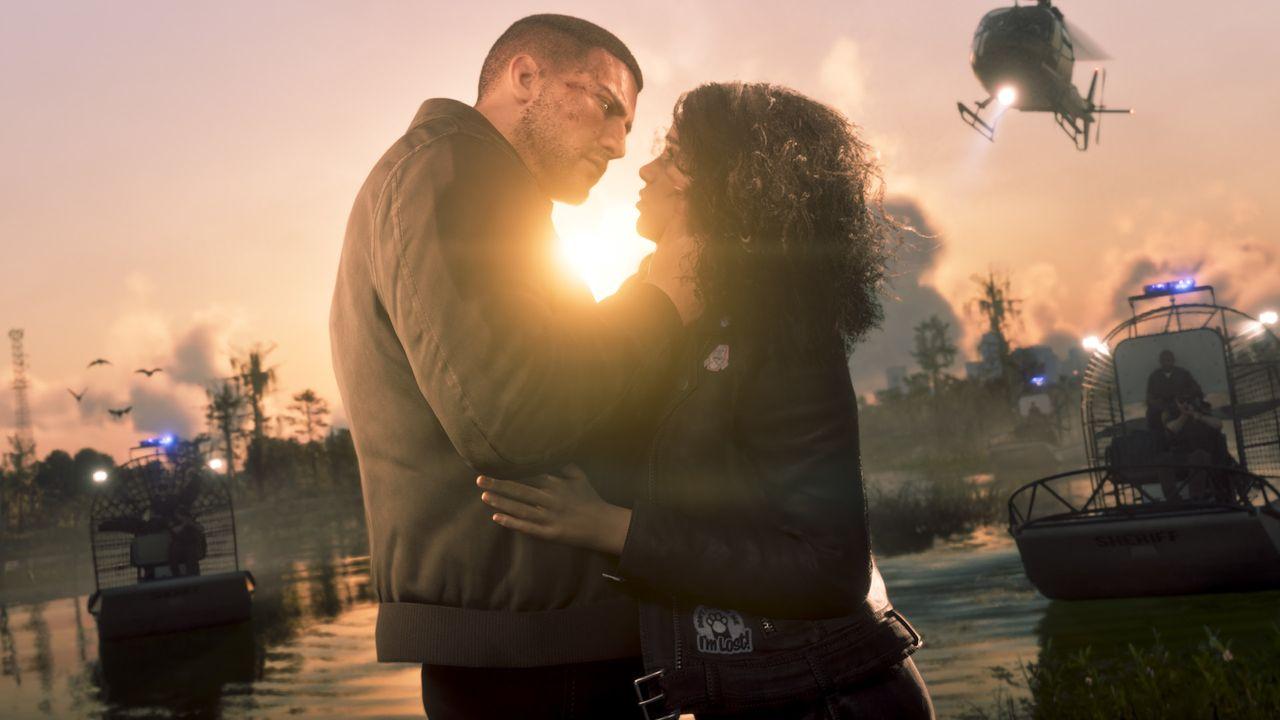
Rockstar Games has long established a reputation for embedding sharp social commentary within its open-world masterpieces, but the studio's co-lead Rob Nelson has admitted that the extended gestation period for Grand Theft Auto VI has made this process significantly more delicate. Speaking to the French publication TroisCouleurs, Nelson emphasized that while there is an endless supply of absurdity to critique, the team must exercise extreme caution when selecting which contemporary issues to weave into the narrative. According to GamesRadar, the primary concern is that cultural moments or specific societal behaviors deemed ripe for satire during the early stages of production may lose their relevance or evolve entirely by the time the title reaches shelves.
The challenge stems directly from the project's origins, with Nelson noting that the game has technically been in development since 2015. Although the bulk of the team only began full-scale work after the release of Red Dead Redemption 2 in 2018, the foundational ideas have been brewing for over a decade. This prolonged timeline creates a unique risk, as Nelson explained, where a concept that feels timely when written and cast can become obsolete or "dated" by the time it is implemented into the final build. Consequently, the developers are forced to evaluate whether a specific social observation will withstand the passage of time rather than just serving as a fleeting joke.
Nelson clarified that Rockstar is not ignoring current events, but rather filtering them through the lens of the specific story they are crafting and the world they are constructing. He stated, "there will always be things to satirize, there are always ridiculous situations and behaviors that we can find, but we just have to be careful about what we pick." This methodical approach ensures that the humor and commentary remain integrated into the broader narrative tapestry rather than feeling like disjointed references to news cycles that may have already faded from public memory.
This strategy aligns with the broader context of GTA 6 as the first mainline entry in the franchise since 2013, marking a significant shift from the nostalgic retro-futurism of previous entries like Vice City to a depiction of contemporary life. Scheduled for launch on November 19, 2025, for PlayStation 5 and Xbox Series X|S, the game returns players to a reimagined Vice City and the state of Leonida. With protagonists Jason and Lucia navigating this modernized landscape, the setting is designed to mirror the current era's complexities, making the relevance of its social critiques a critical component of the player's experience.
From an editorial standpoint, this admission highlights the immense pressure Rockstar faces in balancing artistic ambition with the realities of modern game development cycles. In an industry where annual releases have normalized rapid content turnover, an eleven-year development window is an anomaly that demands a different level of curatorial judgment. If Rockstar fails to distinguish between timeless human follies and transient cultural trends, the game risks feeling immediate upon release yet stagnant just months later. This careful curation is not just a creative choice but a commercial necessity, ensuring that the satire remains sharp and resonant for a global audience that will experience the game years after its conception.
For Take-Two and Rockstar, this meticulous approach to narrative relevance underscores the stakes involved in the title's launch. The company cannot afford for its flagship product to feel disconnected from the reality it portrays, especially given the scale of anticipation surrounding the return of the Grand Theft Auto brand. By prioritizing enduring themes over momentary news hooks, Nelson suggests a matured development philosophy that values longevity and depth. This perspective offers fans reassurance that the game aims to be a cultural artifact rather than a simple period piece, capable of holding up to scrutiny long after the initial release window has closed.
While specific details regarding the satirical elements remain under wraps, early glimpses from the Extended Look trailer suggest that Rockstar is already incorporating recognizable modern phenomena, such as the culture of streaming and viral content creation. These elements, which have persisted for years, exemplify the type of enduring social behaviors Nelson describes as ideal for inclusion. As players await the November 19 reveal, the focus on how Rockstar navigates the gap between conception and release offers a fascinating glimpse into the internal workings of one of the most influential studios in gaming history, one that continues to evolve its craft to meet the demands of a rapidly changing world.