

GTA 6 CEO says AI-generated recomps are making piracy concerns "more of a challenge"
The leadership at Take-Two Interactive is paying close attention to the rapid maturation of algorithmic reverse-engineering utilities. Speaking to financial stakeholders during a recent quarterly conference, chief executive Strauss Zelnick acknowledged that automated, machine-assisted code recompilations present an evolving headache for intellectual property holders, warning that the practice will heighten piracy concerns across the interactive entertainment sector.
According to GamesRadar, Zelnick was questioned directly about the surge in community projects utilizing automated systems to reconstruct console software for personal computers. While the executive noted that "this business has been largely immune to piracy concerns forever" due to the immense complexity of contemporary games, he conceded that new technology means illicit distribution is "going to become more of a challenge." Zelnick emphasized that "Undoubtedly, it would be very difficult to replicate the experience of consuming our game as intended because of technical limitations," but admitted that "every entertainment business that exists is subject to some element of piracy." In response, the publisher intends to protect its catalog through both digital and judicial avenues, with Zelnick asserting that "we are utterly focused on enhancing our technical defenses and enhancing our legal activities appropriately," while concluding that "I think it will be manageable, and we are focused on it."
The issue of unapproved desktop conversions is particularly acute given Rockstar Games' long-standing operational routine of delaying personal computer adaptations. Historically, the studio prioritizes dedicated home consoles before eventually delivering an expanded computer build, prompting many enthusiasts to purchase a title twice. Former Rockstar technical director Obbe Vermeij previously weighed in on this dynamic, suggesting that the studio might be motivated to compress its customary platform delay to counteract unauthorized, automated efforts to bring console code to the desktop environment.
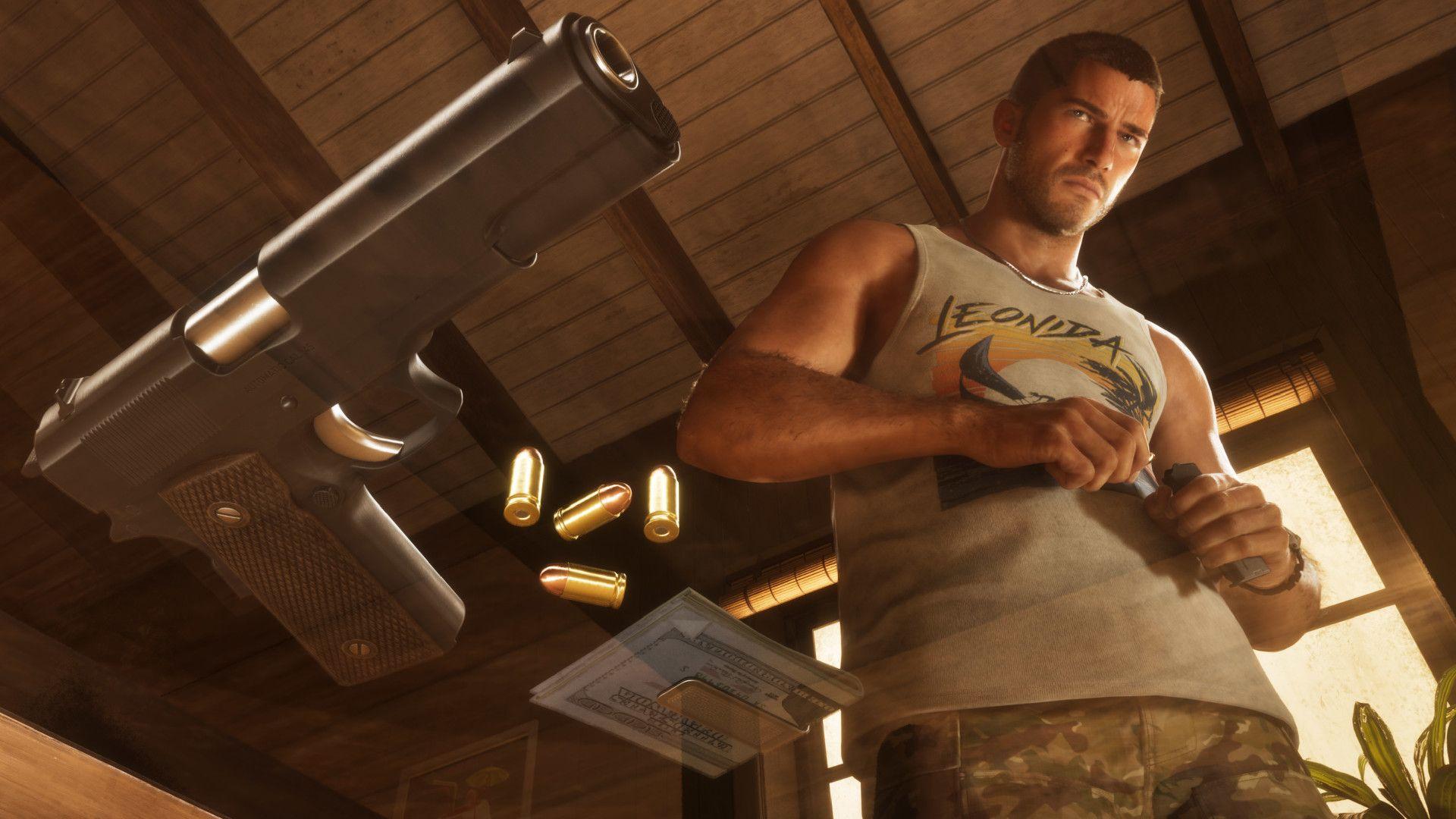
These anxieties loom directly over the impending arrival of Grand Theft Auto VI, which stands as the developer's first numbered chapter since Grand Theft Auto V arrived over a decade ago in 2013. Slated for an anticipated release in 2026 on PlayStation 5 and Xbox Series X|S, the blockbuster project transports players back to the neon-soaked streets of a reimagined Vice City and the broader state of Leonida. Centered on the outlaw partnership of protagonists Jason and Lucia, the sheer scale of the production makes it a prime target for reverse-engineering groups eager to bypass the anticipated gap between the console debut and a native computer edition.
From an editorial perspective, Take-Two's preemptive posturing highlights how drastically the development landscape has evolved since the franchise last launched a brand-new title. Back in 2013, reverse-engineering a massive proprietary engine was an extraordinary, multi-year undertaking, giving the publisher total command over how and when its products reached different hardware ecosystems. Now, machine-assisted workflows threaten that sequential release blueprint. Even if automated recompilations inevitably emerge as unstable, buggy ports devoid of official network infrastructure and the next iteration of GTA Online, their mere presence could compromise Take-Two's commercial strategy. While bolstering encryption and deploying legal notices are expected corporate responses, the most effective remedy to preempt fan-made decompilations remains simple: Rockstar should shorten the protracted window between its console premiere and the official computer release.