

GTA 6 driving is "the best parts" of GTA 4 but with "the accessibility of GTA 5," says Rockstar boss
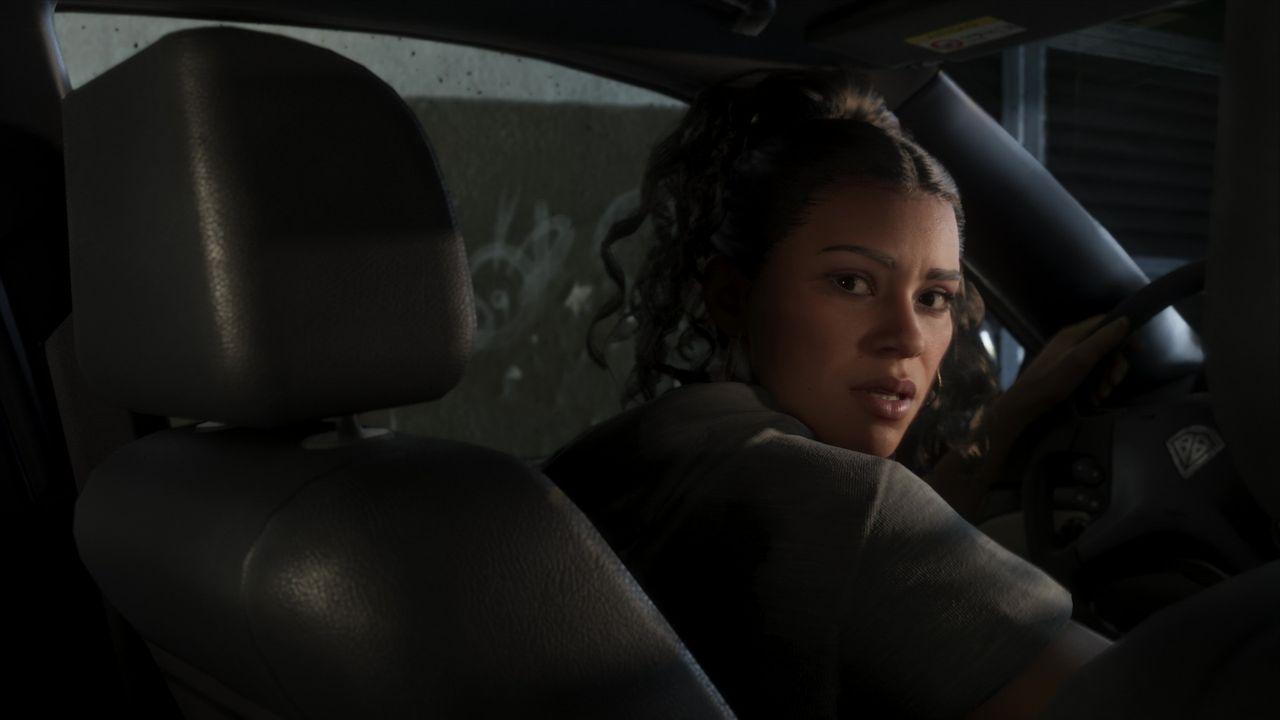
Rockstar Games has offered a rare glimpse into the vehicular physics of its upcoming flagship title, clarifying how the driving mechanics will bridge the gap between past iterations. In a recent discussion with TGG, Rob Nelson, co-head of Rockstar, addressed longstanding community debates regarding the handling of cars in the franchise. He confirmed that the development team has intentionally crafted a hybrid experience, aiming to retain the substantial feel of earlier entries while smoothing out the controls for a broader audience. This statement provides the most concrete information yet on how the game will handle one of its most fundamental interactions.
Nelson specifically responded to questions about whether the vehicles in the new installment would possess the heavy, grounded sensation that defined the predecessor. "Only in the best way possible," he stated, noting that the team worked diligently to preserve the tactile quality of the fourth installment. However, he emphasized that this weight is paired with the user-friendly responsiveness found in the fifth entry. The result is a system that balances immersive, physical driving with an approachable interface, ensuring that players do not feel overwhelmed by complex controls.
According to GamesRadar, this evolution is largely attributable to the underlying technology, which has been constructed entirely from the ground up for current-generation hardware. Nelson pointed out that this clean slate allows for granular control over specific mechanical components. Variables such as drivetrain dynamics, tire grip, suspension behavior, and steering input are now being applied directly to the physics model. This technical foundation suggests a move away from generalized handling presets toward a more nuanced simulation of how different vehicles react to player input and environmental conditions.
The context of this announcement is significant given the considerable distance between this release and the last mainline entry in the series. Grand Theft Auto V launched in 2013, meaning fans have waited over a decade for the next major chapter. The new game is scheduled to arrive on November 19 for PlayStation 5 and Xbox Series X|S, marking the franchise's return to a reimagined Vice City set within the state of Leonida. With protagonists Jason and Lucia leading the narrative, the focus on refined driving mechanics underscores how central vehicle traversal remains to the identity of the open-world experience.
From an editorial standpoint, this clarification addresses a critical point of contention among long-time fans who often split into camps favoring either the "sim-like" feel of the fourth game or the arcade-style ease of the fifth. By explicitly positioning the new system as a synthesis of both, Rockstar signals an intent to satisfy both demographics without compromising the accessibility required for a mass-market blockbuster. This strategic balancing act is crucial for a title that aims to redefine the modern open-world genre, as it suggests the developers are prioritizing a cohesive feel over rigid adherence to any single historical formula.
For Take-Two Interactive, the stakes surrounding this launch are unparalleled, as the success of this title will likely determine the trajectory of the company's publishing strategy in the coming decade. The emphasis on a rebuilt physics engine indicates a commitment to leveraging modern hardware capabilities to deliver a sense of realism that has been missing from the series since the transition to the Rockstar Advanced Game Engine. If Nelson’s claims hold true during the launch window, this could set a new benchmark for vehicular handling in open-world games, potentially forcing competitors to reevaluate their own mechanical designs. Until then, the community remains in a state of cautious anticipation, aware that marketing assurances must ultimately be validated by actual gameplay.