
GTA 6 Fans Track Down Real-World Version Of The Nudist Resort, Then Try To Extort It
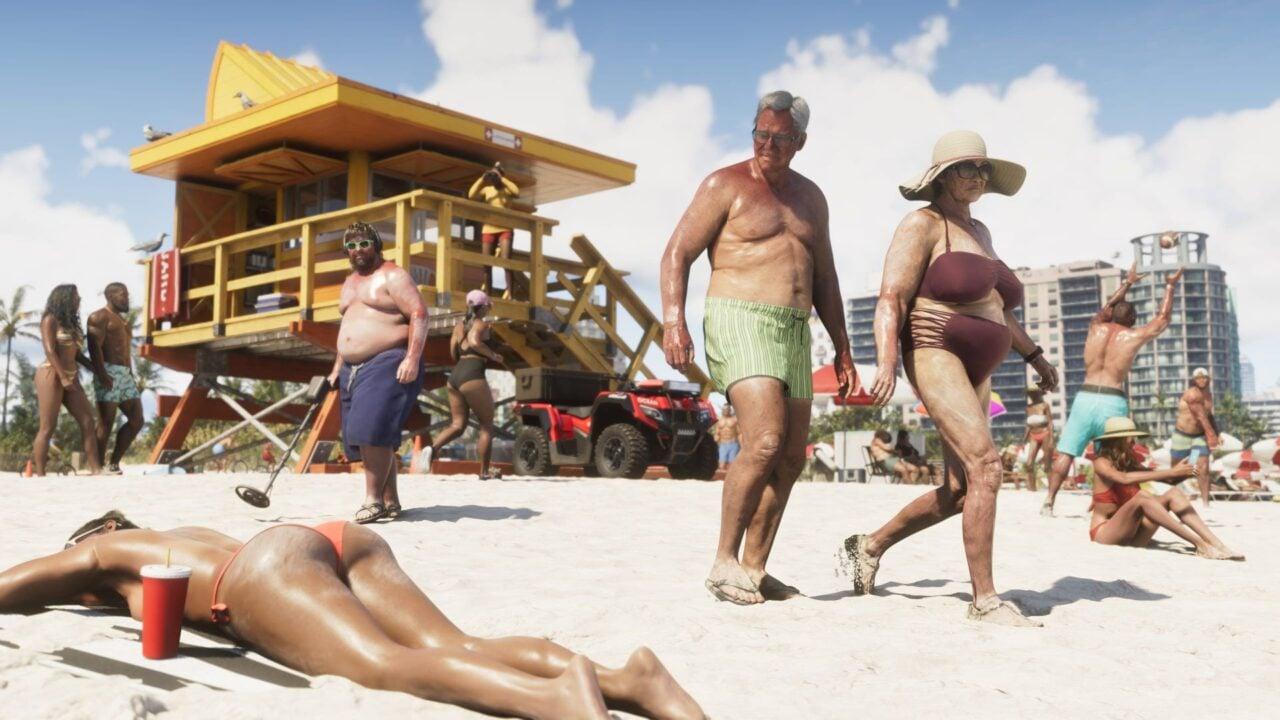
The surreal nature of the current digital landscape was on full display this week as a group of overly invested *Grand Theft Auto VI* enthusiasts identified the real-world inspiration for the game’s controversial nudist colony. According to Kotaku, these individuals traced the in-game location to Cypress Cove, a well-regarded resort in Kissimmee, Florida, which features amenities like a nine-hole golf course and tennis courts. While the initial discovery seemed like a fun piece of detective work for the fan community, the situation quickly spiraled out of control when these users began flooding the establishment’s online presence with unsolicited commentary linking the site directly to the upcoming title’s narrative elements.
The behavior in question went far beyond playful trivia or lighthearted jokes about the game’s development. Instead, the commenters began posting detailed references to character Jason Duval and specific gameplay mechanics, such as the use of binoculars to view guests. For a business that operates on the premise of voluntary nudity and privacy, these persistent allusions to surveillance and voyeuristic gameplay were not merely annoying; they were perceived as deeply invasive and threatening to the resort’s reputation and operational security.
The conflict escalated from harassment to what the resort’s management is describing as extortion. Cypress Cove issued a lengthy public statement detailing how the wave of fabricated reviews was not just a nuisance, but a coordinated attempt to demand financial compensation for the removal of these posts. The owners noted that after identifying the pattern of fake entries, they received explicit requests to pay money to have the content deleted. The resort made it unequivocally clear that they would not engage with these demands, stating in their response, "Unfortunately, our marketing budget also does not contain a line item for 'internet ransom.'"
This incident lands at a particularly sensitive moment in the ten-year wait for the next mainline entry in the series. With *GTA 6* slated for release in 2026 on PlayStation 5 and Xbox Series X|S, anticipation has reached a fever pitch among players who have been waiting since the launch of *GTA V* in 2013. The game’s return to a reimagined Vice City, set within the fictional state of Leonida, and its focus on the duo of Jason and Lucia, has made every detail of the world’s construction a topic of intense scrutiny. The fact that fans can so easily identify real-world counterparts for in-game locations highlights how meticulously Rockstar Games is grounding its fictional universe in tangible geography, even as the anticipation builds for the game’s arrival next year.
From an editorial standpoint, this saga reveals a troubling undercurrent in the modern gaming discourse: the blurring of lines between fandom and harassment. The willingness of a subset of the community to cross into blackmail territory over a video game location suggests a level of entitlement and obsession that Rockstar and Take-Two must be prepared to manage. As the most significant commercial launch in the industry approaches, the studio will likely need to employ robust moderation tools and legal protections not only for digital spaces but for the physical locations that inspire their work. The fact that a small resort in Florida was driven to distraction by this behavior underscores the real-world consequences of the "leak culture" that has dominated the last month of *GTA 6* speculation.
Cypress Cove has reportedly been successful in having the most egregious threats removed from Google’s review platform, citing their documentation of the extortion attempts and their report to appropriate authorities. By refusing to pay and publicly addressing the issue, the resort has set a boundary that other businesses may need to follow as the game’s release date draws nearer. The owners’ message to genuine guests—that these posts do not reflect actual experiences—serves as a necessary clarification, but it also highlights the vulnerability of small businesses in the face of coordinated digital attacks fueled by gaming hype.
As the crypto-leaker Cyberleek continues to release two-minute clips showcasing the game’s fidelity, the broader community must reckon with the toxicity that accompanies such high-stakes anticipation. The intersection of a fictional nudist park and a real-world Florida resort is a bizarre footnote, but it is one that carries serious implications for how developers and their publishers handle the physical world’s connection to their virtual creations. It is a stark reminder that while the game remains unplayed, the cultural impact—and the potential for harm—is already unfolding in the real world.