

GTA 6 Lead Says The Series Still Has “So Much To Do” In America
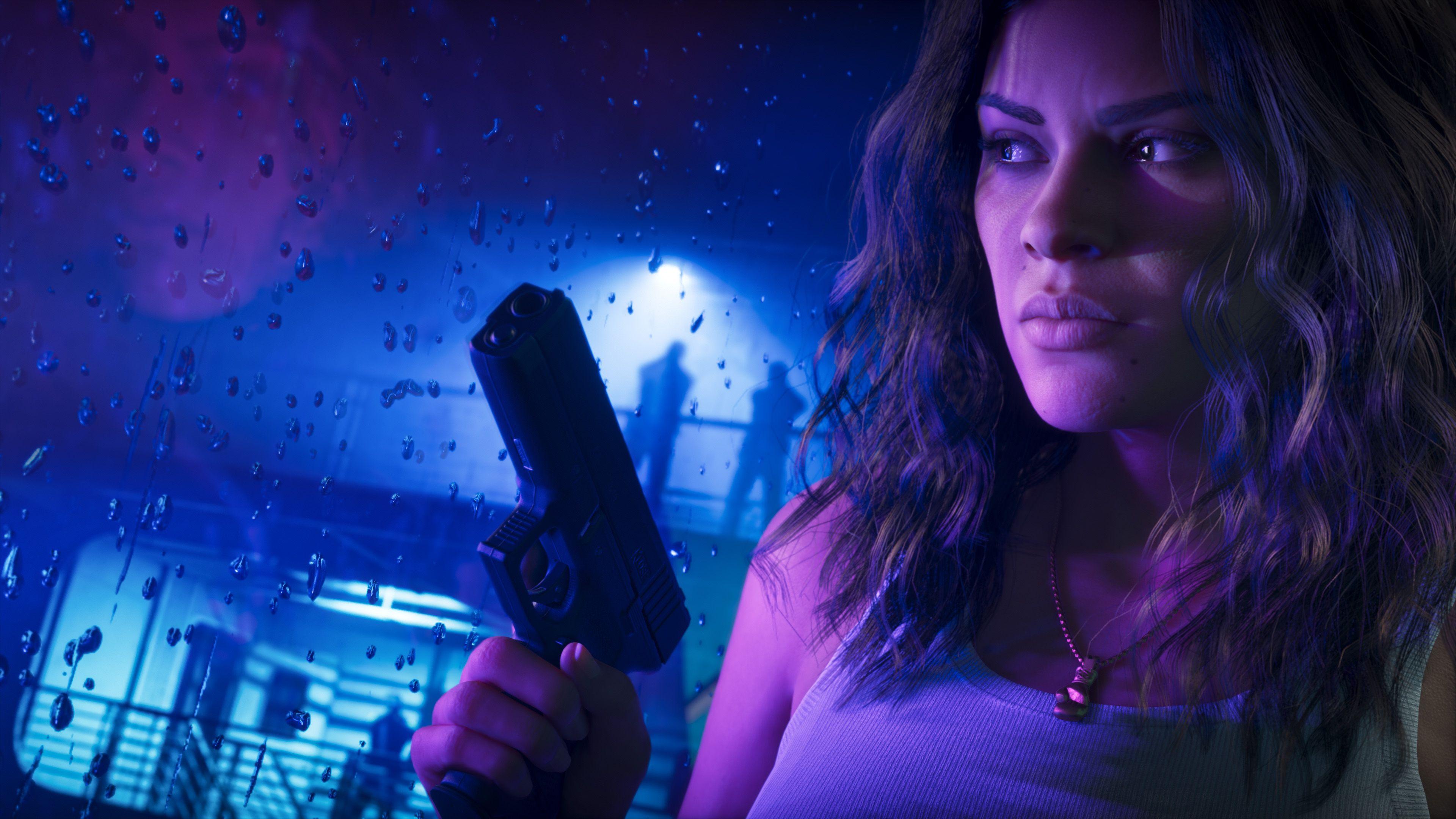
For decades, players have tossed around theories about where Rockstar Games might take its flagship franchise next, with fan wishlists occasionally daydreaming of European capitals or Asian metropolises. However, studio leadership appears firmly committed to the United States for the foreseeable future. According to reporting from TheGamer, Rockstar Games co-studio head Rob Nelson addressed the long-standing conversation surrounding international destinations, indicating that while an overseas installment remains a theoretical possibility down the road, the domestic backdrop continues to hold unmatched creative weight for the development team.
Specifically, Nelson pointed out that the franchise's home territory is far from exhausted, explaining that the developers believe they still have “so much to do” within American borders before seriously contemplating a dramatic pivot in geography. The sentiment effectively cools lingering theories that Rockstar might someday revisit vintage experiments like its 1969 London expansions or establish a brand-new playground abroad. While studio brass will not close the door completely on an international venture in the distant future, modern American life remains the primary engine driving their creative ambitions.
That artistic focus is plainly visible in Grand Theft Auto VI, which represents the studio's first mainline entry since Grand Theft Auto V arrived back in 2013. Slated for an anticipated 2026 launch on PlayStation 5 and Xbox Series X|S, the upcoming production transports players back to a modernized, reimagined Vice City and the surrounding territories of the fictional state of Leonida. Anchored by the dual-protagonist dynamic of Jason and Lucia, the experience is meticulously designed to skewer contemporary social media obsessions, regional eccentricities, and criminal enterprise through a hyper-specific, distinctly domestic lens.
From an industry perspective, Nelson’s stance makes absolute sense given how Grand Theft Auto operates at its core. The series has never treated its terrain as passive scenery; rather, the entire enterprise functions as an aggressive dissection of the American Dream, commercial excess, and institutional dysfunction. Transplanting that signature tone to a foreign nation would require Rockstar to construct an entirely unfamiliar satirical vocabulary, potentially diluting the exact cultural bite that transformed the franchise into Take-Two Interactive’s most lucrative commercial juggernaut. After more than a decade of anticipation between mainline releases, leaning into the volatility of current American culture gives the writers a virtually limitless supply of narrative material without needing to abandon the formula that redefined modern open-world design.
Ultimately, Nelson’s remarks reaffirm that Rockstar views the United States not as a creative boundary, but as an endlessly mutating playground. As regional subcultures drift in unexpected directions and real-life events continually rival fiction, the studio clearly sees vast reserves of unexplored territory across the country. Whatever projects follow the journey through Leonida, audiences should expect the developer to keep its mirror pointed squarely at American culture for a long time to come.