
GTA 6 lets players "forget it's a game" with all its choices, and that's what Rockstar lead Rob Nelson is most proud of: "It's up to you and what matters to you"
According to GamesRadar, Rob Nelson, who serves as the head of development and co-head of Rockstar North, has revealed that the intricate web of interconnected systems in the upcoming title is his primary source of professional pride. Speaking with content creator TGG, Nelson highlighted how the various complex mechanics are designed to function in unison, creating an environment where the artificial nature of the simulation can be entirely overlooked. This depth of integration allows players to engage with the world on their own terms, whether they prefer to dive deep into role-playing scenarios or simply take a more casual approach to the narrative.
Nelson elaborated on the freedom granted to the player, noting that the game offers a wide spectrum of tactical options for handling various situations. He pointed out that while players retain the classic ability to unleash significant destruction, the game’s systems are built to reflect the consequences of such actions. The developer emphasized that the reaction to these outcomes is entirely personal, asking whether the impact on the world changes a player's willingness to continue violent acts or if they remain indifferent to the results of their choices.
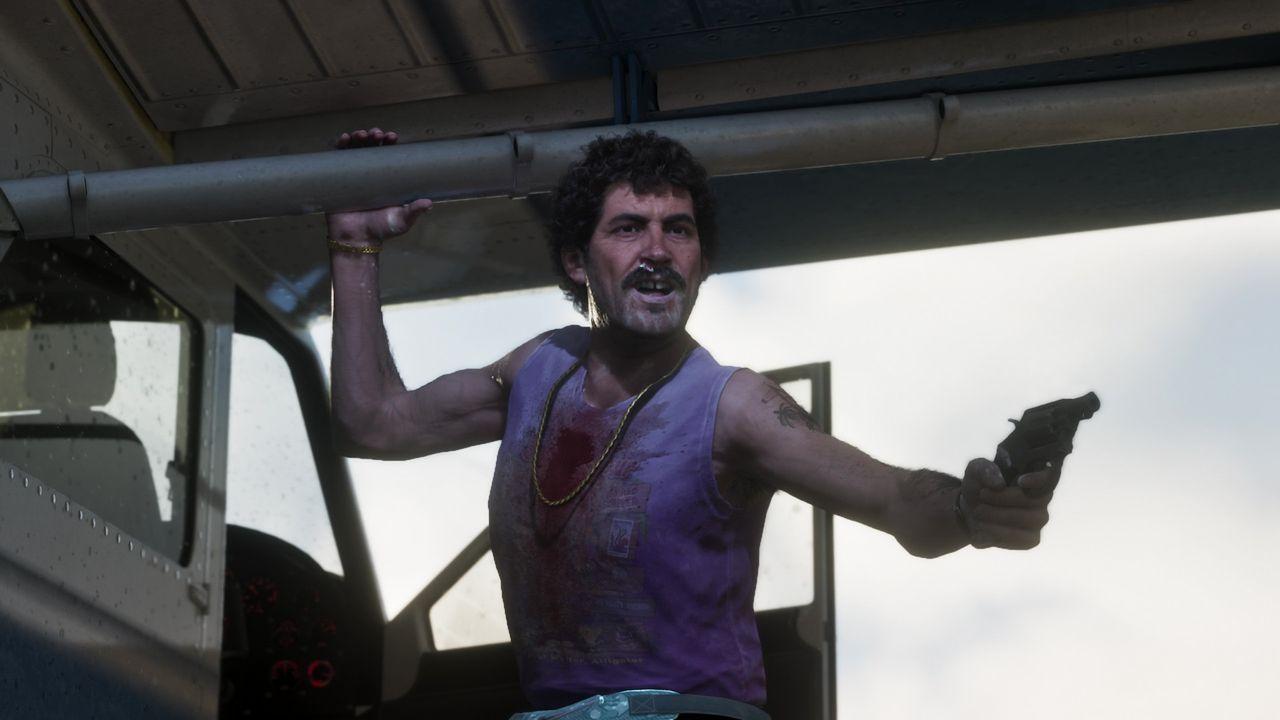
This design philosophy aligns with the broader expectations for the franchise's next chapter, which is slated for a 2026 release on PlayStation 5 and Xbox Series X|S. As the first major entry in the series following the 2013 launch of Grand Theft Auto V, the game marks a significant return to a reimagined Vice City and the fictional state of Leonida. With protagonists Jason and Lucia at the center of the storyline, the title aims to recapture the open-world dominance that defined the previous generation, but with a modernized approach to agency and consequence.
From an editorial standpoint, this emphasis on systemic depth is a crucial signal for a project that has been the subject of intense speculation for over a decade. By prioritizing a sandbox that reacts dynamically to player behavior rather than just offering a static list of missions, Rockstar is likely attempting to redefine the open-world genre for the current console generations. This approach suggests that Take-Two is not merely trying to outdo the sales figures of its predecessor, but is instead focused on creating a persistent, believable ecosystem that justifies the long wait and the enormous production costs associated with such a monumental release.
The financial and reputational stakes for Take-Two are exceptionally high given the gap between this title and the last mainline entry. The publisher is under immense pressure to deliver a product that not only meets the heightened expectations of the modern gaming audience but also justifies the multi-year development cycle. If the interconnected systems Nelson described function as promised, the game could set a new benchmark for how narrative and mechanical systems interact in AAA open-world titles, potentially influencing how future entries in the series and competing franchises are designed.
While the detailed systems of the single-player experience dominate the current conversation, the status of the online component remains a topic of curiosity. During the interview, TGG noted that the developers did not offer specific details regarding the multiplayer mode, leaving that aspect of the game somewhat in the dark. However, given the scale of the single-player systems, it is reasonable to assume that the online experience will inherit a similar level of complexity, though officially, no concrete information has been released to confirm this yet.
In the end, Nelson’s comments reinforce the idea that this is not just a larger map with more content, but a fundamentally different approach to player agency. By allowing the player to determine what matters in their experience, Rockstar is betting on a design philosophy that empowers the user rather than restricting them to a single linear narrative. As we move closer to the 2026 launch, these insights provide a solid foundation for understanding the ambition behind the project, even if the full scope of the game remains to be seen.