

GTA 6 review: "An open world with truly astonishing scale, scope, and quality awaits"
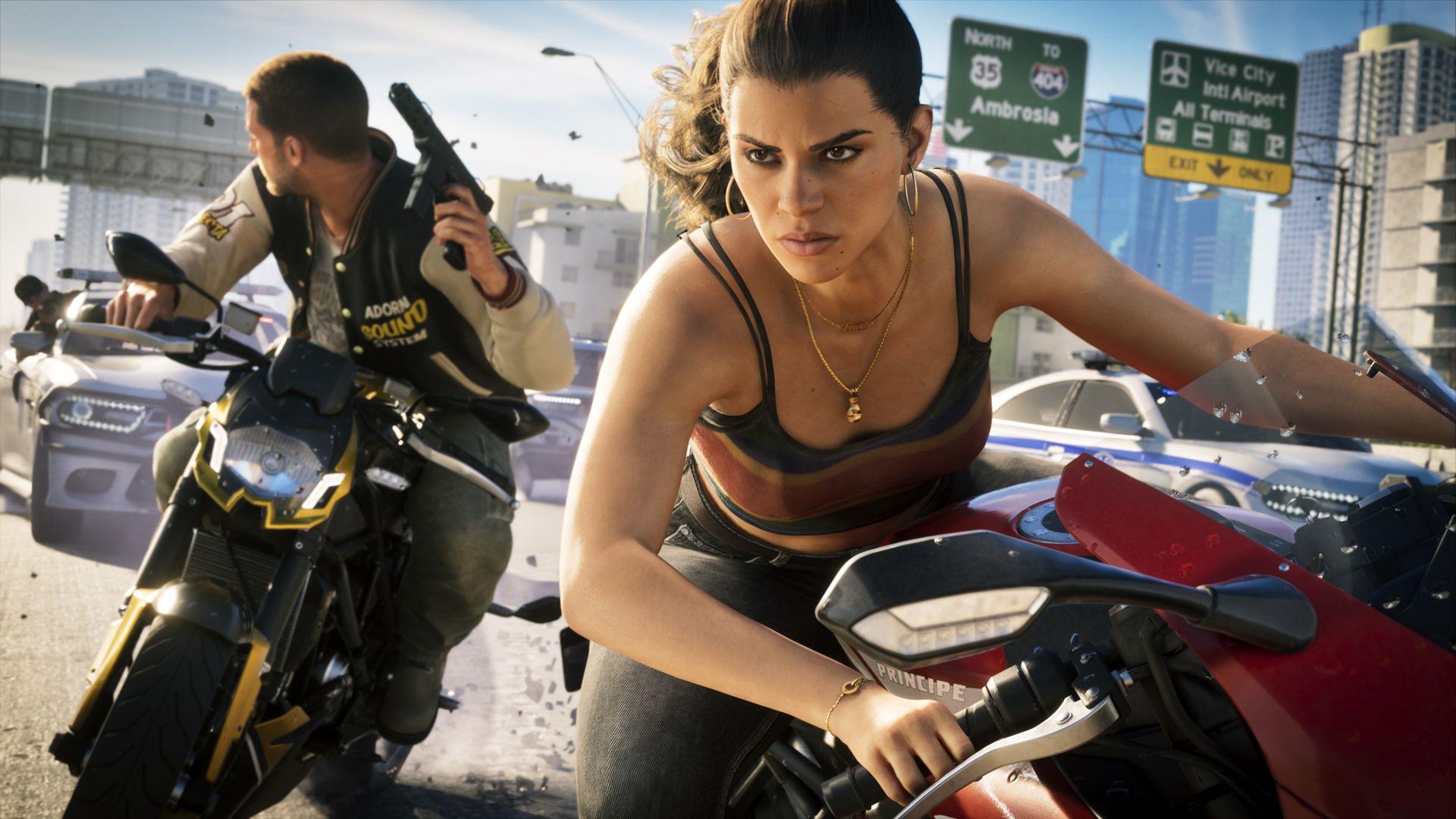
Critical impressions of Rockstar Games' long-awaited crime epic have finally surfaced, with GamesRadar issuing a glowing assessment of the project. Critic Josh West, who spent more than 100 hours testing the game on a PlayStation 5 Pro build provided by the publisher, concluded that the studio has constructed the most technologically advanced interactive environment of modern times. According to GamesRadar, the simulation achieves an unprecedented level of mechanical refinement, standing out for its rapid perspective shifts between leads, nearly seamless transitions without loading screens, and exceptionally steady performance despite dense crowds filling the streets.
The sheer physical breadth and organic variety of the setting appear to be the central achievement of the design. West noted that even after reaching the conclusion of the primary campaign around the 80-hour threshold, massive regions along the northern frontier remained uncharted, including the backroads of Lummox County. The reviewer's excursions ranged from smuggling narcotics throughout the Leonida Keys and engaging in violent skirmishes with biker syndicates in Ambrosia to navigating voluntary exile in Port Gellhorn behind the wheel of a '65 Vapid Dominator. While small structural annoyances were noted—such as a high-end chop shop situated directly adjacent to a congested highway—the underlying systems routinely transform spontaneous encounters into multi-tiered clashes with law enforcement.
This expansive playground arrives as the culmination of an unprecedented development cycle for the storied franchise. Serving as the company's first mainline release since Grand Theft Auto V debuted in 2013, the title is slated for a 2026 launch on PlayStation 5 and Xbox Series X|S. Centered on the outlaw partnership of Jason and Lucia, the adventure moves the series away from southern California and plants it squarely in the humid, neon-lit sprawl of a reimagined Vice City and the broader state of Leonida. Spanning over a decade of anticipation, the project marks the longest development gap between numbered chapters in the studio's history.
From an editorial perspective, these early critical reactions illuminate an important structural pivot for both Rockstar Games and its parent company, Take-Two Interactive. Faced with stratospheric commercial expectations and the burden of supporting another decade-spanning platform, the creative team appears to have steered away from the relentless, abrasive satire and floaty arcade mayhem of the previous entry in favor of a heavier, more grounded simulation. This calculated design maturity represents a distinct risk; players expecting instantaneous, cartoonish destruction may initially bristle at the deliberate pace and systemic friction. Yet, if Take-Two aims to retain player engagement for another generation, anchoring the criminal sandbox in genuine physical consequence and believable systemic depth is far more sustainable than simply repeating the anarchic template of Los Santos.
Ultimately, what these early accounts demonstrate is that the reimagined map is designed to reward deliberate exploration rather than rapid checklist completion. Discovering that a hundred hours of play still leaves major rural counties largely unexplored validates the agonizing wait endured by the community since the previous console generation. Instead of stuffing the environment with repetitive filler markers, Rockstar has apparently crafted an ecosystem where small, incidental encounters carry real narrative weight. For enthusiasts who have tracked every leaked document and corporate update over the past decade, the promise of an expansive, living Leonida suggests the final product will more than justify the unprecedented passage of time.