

GTA 6 studio head: "Multiple characters was a leap of faith" and Rockstar knew it "might backfire"
When Rockstar Games fundamentally overhauled its storytelling template for Grand Theft Auto V, the decision was far from an assured victory within the studio's walls. Resurfacing an archival conversation from a 2013 issue of Edge Magazine, GamesRadar reports that current studio co-head Aaron Garbut—who served as the art director on the 2013 blockbuster—recalled that the choice to split the narrative between three playable figures was an immense gamble that carried genuine anxiety regarding how players would respond.
According to Garbut, the development team committed to the multi-lead system early in pre-production, having decided "we wanted to do three switchable characters," yet he conceded that "the initial vision" remained "very rough." The veteran designer explained that the design evolved organically over several years, but admitted that taking such an unorthodox route was fraught with creative peril. As Garbut noted during the interview, "[having] multiple characters was a leap of faith" because the mechanic represented a radical departure from the franchise's solitary roots, carrying a clear danger that it "might backfire." He added that evaluating the game objectively during crunch was grueling, stating, "It's so hard during development to get perspective," since designers spend so much energy hunting for flaws that appreciating the broader achievement becomes exceptionally difficult.
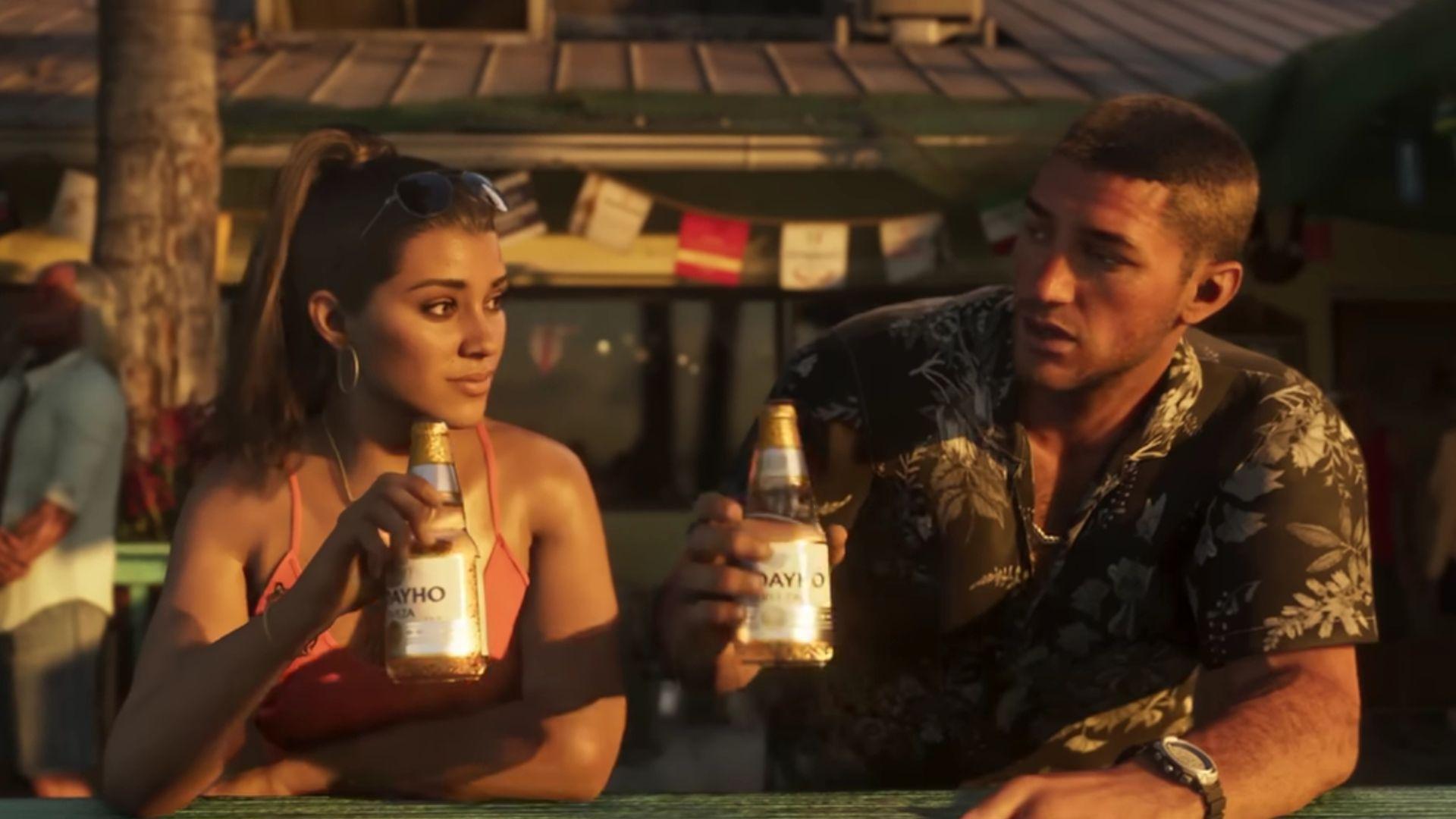
Those internal anxieties eventually gave way to record-breaking commercial triumph, but the insights hold fresh relevance as Rockstar prepares to release its first mainline Grand Theft Auto since GTA V arrived in 2013. Grand Theft Auto VI centers on the criminal partnership of Jason and Lucia, taking players into a vastly reimagined Vice City and the sprawling, wetland-filled state of Leonida. With an anticipated 2026 launch slated for PlayStation 5 and Xbox Series X|S, the upcoming installment scales back the trio dynamic in favor of a tightly interwoven pair, refining a narrative framework that Garbut helped pioneer more than a decade ago.
From an editorial vantage point, Garbut’s retrospective provides valuable clarity on why the protracted wait for GTA 6 has stretched across multiple console generations. Rockstar and parent company Take-Two Interactive are not simply building a larger map; they are bearing the weight of an entertainment empire where every creative shift carries billions of dollars in commercial expectations. While shifting between Franklin, Michael, and Trevor pushed the boundaries of seventh-generation hardware to their absolute breaking points, narrowing the focus to Jason and Lucia allows the studio to prioritize emotional depth and synchronized mechanics over sheer character volume. Rather than treating multi-protagonist design as an unproven novelty, GTA 6 enters production with an established foundation, allowing the studio to resolve the disjointed pacing that occasionally hindered its predecessor.
Garbut’s candor also underscores a vital truth about Rockstar's creative culture: the company's most celebrated innovations rarely stem from corporate safety nets, but rather from embracing mechanical risk. As co-studio head supervising the modern project, Garbut’s willingness to let a project dictate its own evolution suggests that Grand Theft Auto VI will not simply rest on established laurels. If the studio approached two-character storytelling with the same iterative humility that turned an uncertain three-way split into an industry milestone, players exploring Leonida can expect a campaign that is far more cohesive than anything the series has attempted before.