

GTA 6 was almost refused classification in South Korea due to the sheer amount of genitals shown
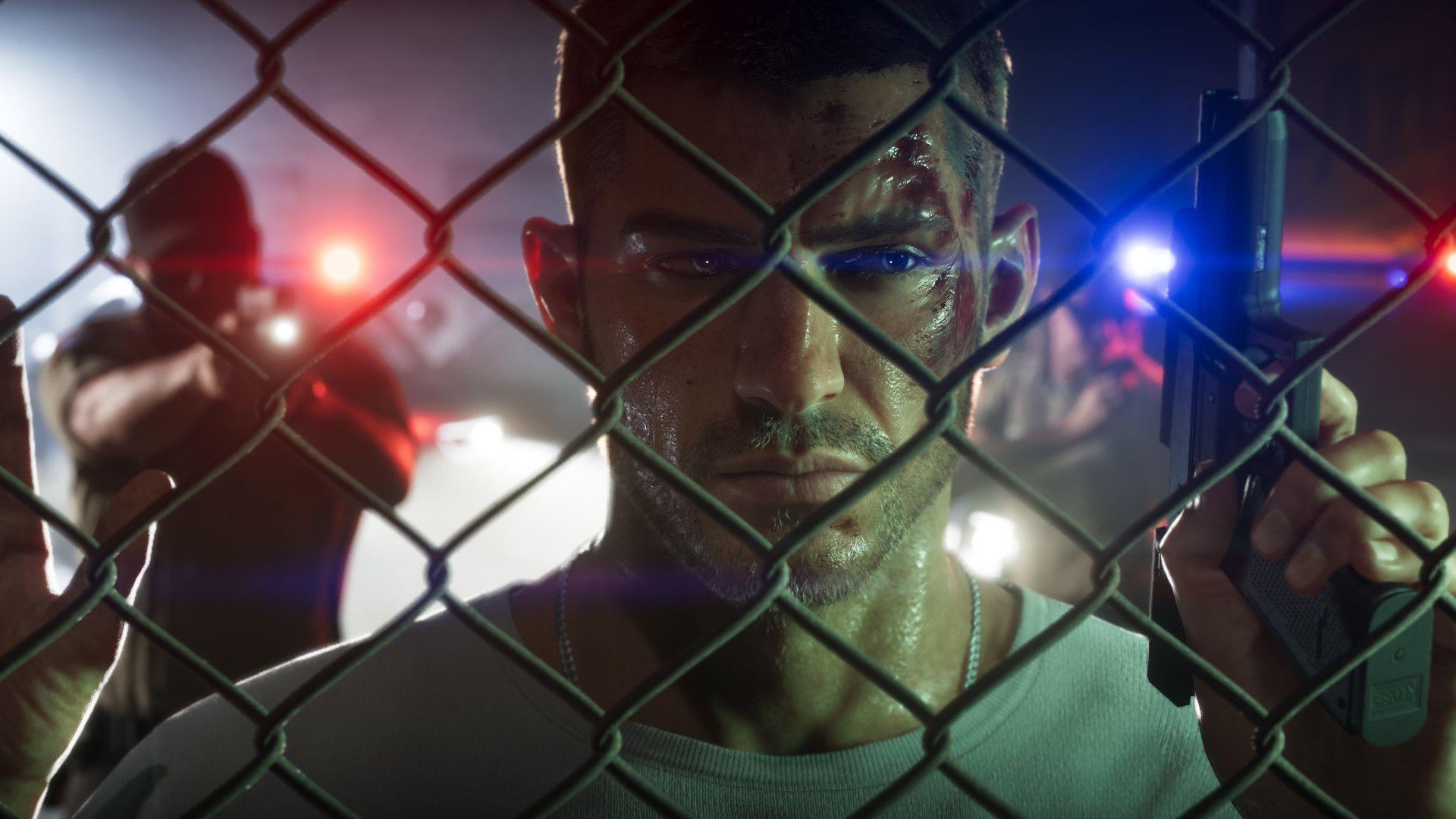
The regulatory gauntlet for Grand Theft Auto VI is proving just as contentious as past releases, with South Korea’s Game Content Rating Board narrowly avoiding an outright ban on the title. Official scrutiny reached an intense peak during recent classification hearings, where examiners deliberated over three separate evaluations before ultimately granting the upcoming production an Adults Only rating, having nearly slapped the project with a prohibitive distribution refusal over its graphic anatomical content.
GamesRadar reports, drawing from original coverage by Korean gaming publication Inven, that the principal obstacle during the review process stemmed from repeated instances of genital visibility presented "without context." The regulatory committee was initially deadlocked in a three-to-three tie between a full rejection and an adults-only approval, but subsequent discussions concluded with an eight-to-one majority favoring release. The findings also settled several lingering questions stemming from early leaks, clarifying that while environmental areas such as nudist beaches feature unfiltered nudity, an early leaked sequence showing male protagonist Jason unclothed is absent from the retail game. Additionally, adult encounters are restricted solely to scripted cinematics rather than interactive sequences, avoiding a repeat of the historical controversies that followed San Andreas.
South Korea is not the only international territory scrutinizing Rockstar's creative choices as global ratings begin to take shape. Watchdogs worldwide are taking stock of the title's uncompromising nature, with European regulatory bodies documenting explicit decapitations, dismemberment, and widespread substance use, while Australian regulators have flagged overt sexual scenes. These collective designations have already stirred conversations surrounding potential localized alterations in Japan, where specific content disclaimers are typically mandatory, proving that pushing graphical fidelity brings heightened exposure to global censorship guidelines.
This administrative scrutiny lands amidst massive expectations for the first mainline entry in the franchise since Grand Theft Auto V debuted in 2013. Scheduled for an anticipated 2026 launch on PlayStation 5 and Xbox Series X|S, the sandbox epic transports players back to a reimagined Vice City and the broader, swampy sprawl of the state of Leonida. Anchored by the criminal partnership between dual protagonists Jason and Lucia, the production represents more than a decade of technological evolution, an advancement that inevitably magnifies every mature theme the development team attempts to render on screen.
From an editorial perspective, this narrow regulatory victory illustrates the delicate balance Take-Two Interactive and Rockstar Games must strike in an era of near-photorealistic game design. Throughout the decade-long wait for GTA 6, skepticism lingered over whether corporate caution or modern industry standards might pressure the studio into softening its notorious bite. South Korea's rating struggle serves as concrete evidence that Rockstar remains dedicated to provocative, unvarnished storytelling regardless of the commercial friction it might generate. Navigating ratings boards will always create headaches for publisher executives, but preserving that irreverent creative latitude is vital for the brand, ensuring the series retains its distinct identity rather than smoothing away the very elements that define it.