

GTA 6 Xbox Series S Performance: How Does the Weakest Console Handle the Biggest Game of All Time?
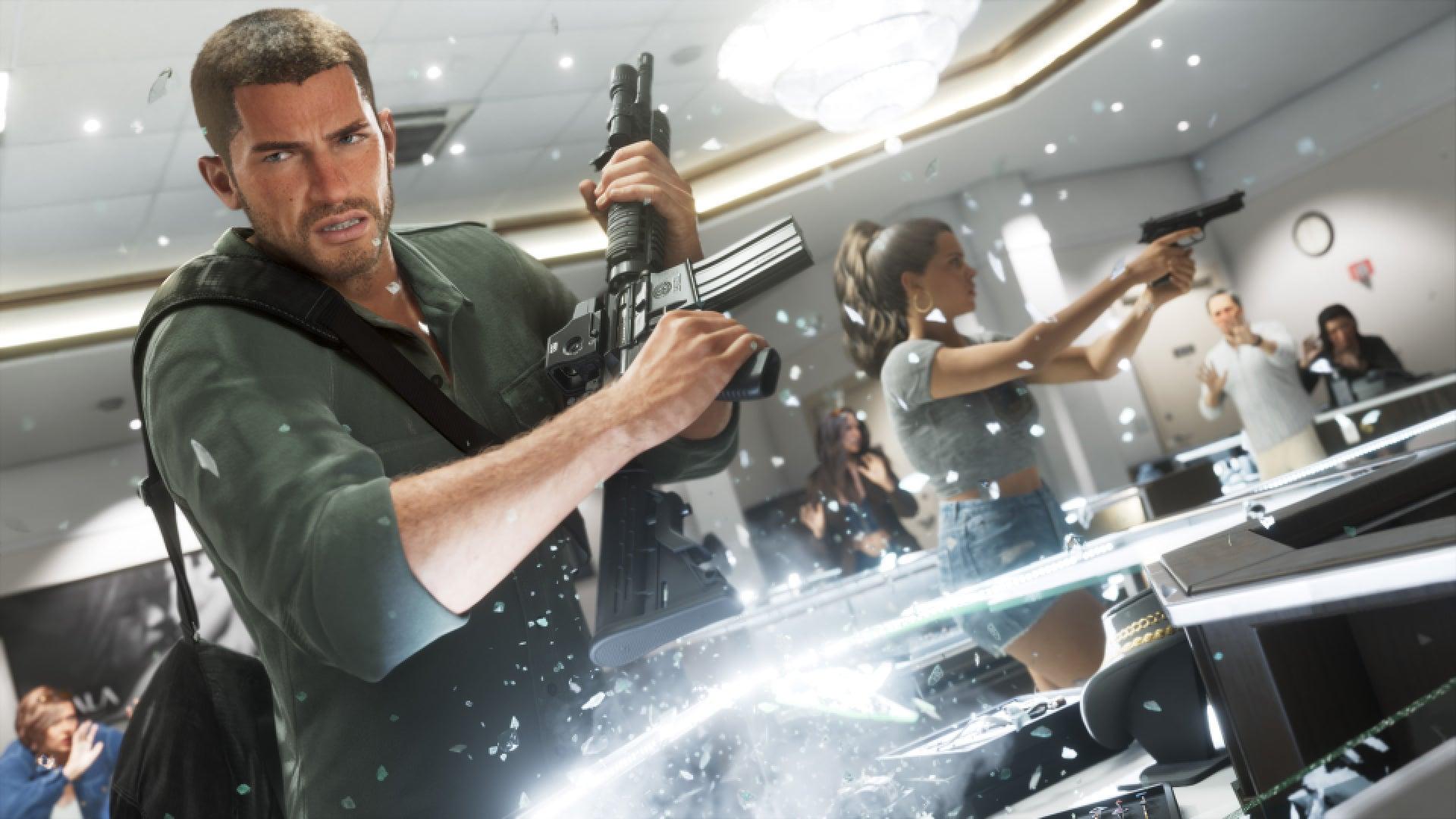
Ever since Microsoft introduced its bifurcated console strategy for this generation, the less powerful Xbox Series S has faced persistent scrutiny over how it would handle the industry's heaviest technical heavyweights. Early hands-on impressions have now shed light on the platform's viability for the medium's most demanding project. According to reporting from IGN, Grand Theft Auto VI delivers a remarkably competent presentation on the compact machine, sidestepping the severe compromises many had feared given the hardware's constrained memory bandwidth and processing ceilings.
The outlet notes that while the Series S predictably foregoes the premium visual enhancements available on higher-end systems—lacking both PlayStation Spectral Super Resolution and hardware-accelerated ray-traced shadows—the underlying visual fidelity holds up admirably. IGN reports that character rendering remains sharp and detailed, retaining subtle touches such as subsurface scattering on skin, while the environmental craft demonstrates how much Rockstar Games refined its world-building pipeline during the creation of Red Dead Redemption 2. This execution aligns with Rockstar's recent confirmation that all console builds are "targeting" 30fps, an operational ceiling that curbs expectations across every platform, including the PlayStation 5 Pro.
These initial technical observations carry enormous weight given the sheer scale of the upcoming release, which stands as Rockstar's first mainline entry in the crime saga since Grand Theft Auto V debuted in 2013. Heading to PlayStation 5 and Xbox Series X|S, the title transports players back to a sprawling, modernized interpretation of Vice City embedded within the larger state of Leonida. Revolving around the dual dynamic of Lucia and Jason, the project is tasked with setting a new benchmark for open-world interactivity, making its performance on entry-level hardware a central talking point for the wider community.
From an editorial standpoint, getting the Series S version right is an absolute necessity for both Rockstar and parent company Take-Two Interactive. The budget console constitutes a substantial portion of the modern Xbox ecosystem, particularly among mainstream consumers who buy only a handful of landmark titles each generation. Had the game collapsed into unstable frame rates or severe visual downgrades on the hardware, Take-Two would have risked alienating a massive slice of its prospective customer base after more than a decade of anticipation and record-setting investment. Successfully scaling such an intricate simulation down to entry-tier specifications protects the studio's reputation for engineering excellence and ensures commercial momentum remains unhindered at launch.
While the broader news of a universal 30fps cap may disappoint enthusiasts who hoped the mid-generation hardware refresh might enable a fluid 60fps performance mode, it highlights Rockstar's deliberate design philosophy. The studio has consistently prioritized simulation depth, crowd density, and lighting complexity over raw frame throughput. If the Series S can sustain an unyielding frame rate while depicting Leonida's bustling avenues and intricate character models, Rockstar will have answered one of the biggest hardware questions hanging over the entire console cycle.