
GTA 6's Game of the Year Chances Have Been Called Into Question
The conversation surrounding the upcoming release of Grand Theft Auto VI has shifted from pure anticipation to logistical scrutiny, as the game’s potential dominance at The Game Awards comes under fire. According to IGN, actress and former games journalist Alanah Pearce recently voiced skepticism during a live broadcast, arguing that the title might not even qualify for the ceremony’s most prestigious category. Her primary concern centers on the tight window between the game’s launch and the historical deadline for nominations, a timing issue that could theoretically exclude the most anticipated release of the decade from the shortlist entirely.
While this timeline seems straightforward, the nuances of the voting process create a significant problem for Rockstar Games. Although some in the community have pointed out that last year’s cutoff fell on November 21, just two days after GTA 6 is scheduled to arrive, the feasibility of the judging process remains questionable. Pearce highlights a practical hurdle: it is highly unlikely that the jury members will be able to complete the massive open-world experience within that short window. This raises serious ethical questions about whether a panel would feel comfortable casting a vote for a work they have not fully experienced, potentially undermining the integrity of the award itself.
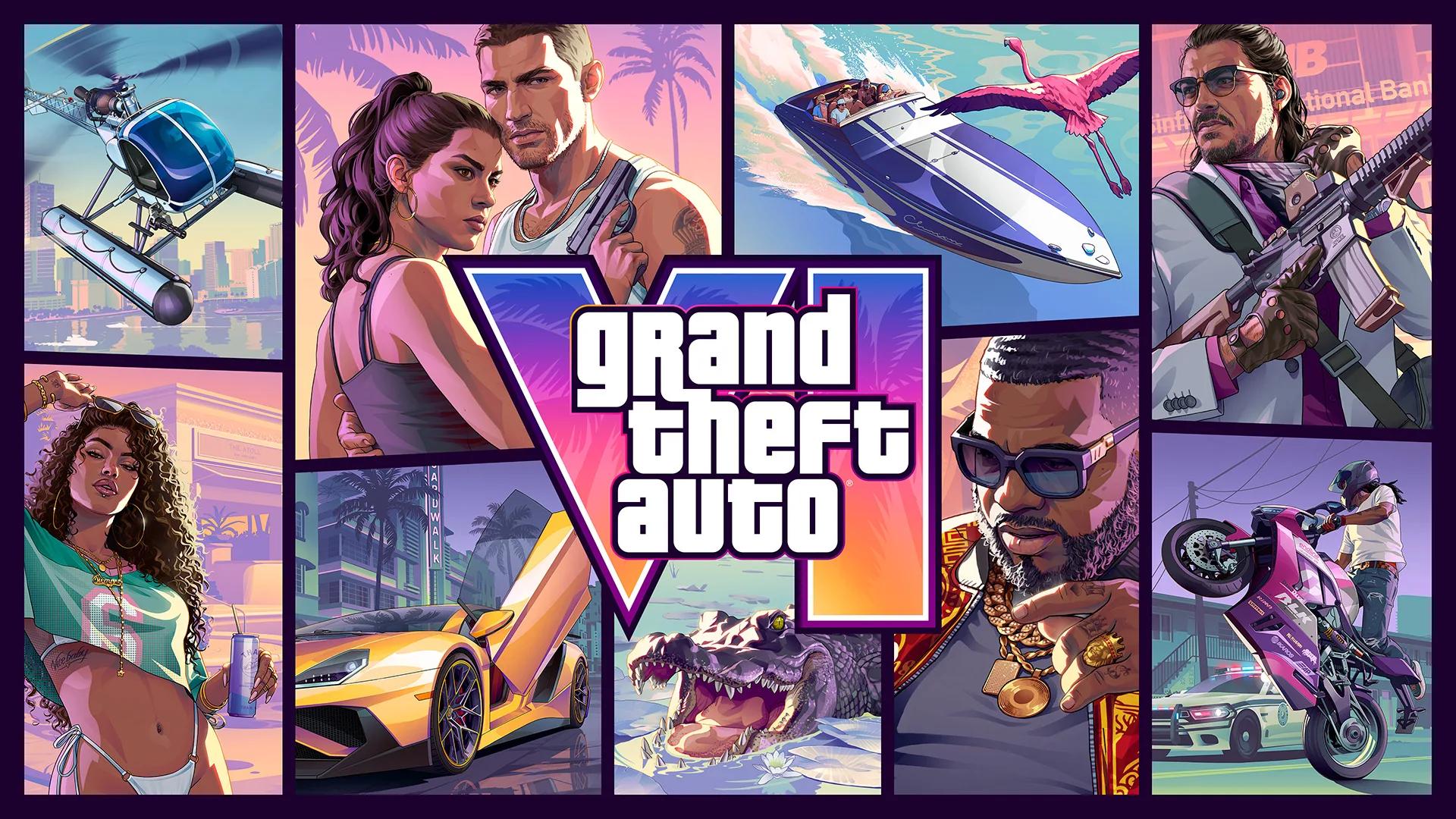
This uncertainty lands in the middle of a monumental moment for the franchise, which is set to debut in 2026 on PlayStation 5 and Xbox Series X|S consoles. For the first time since Grand Theft Auto V in 2013, Rockstar is returning to its flagship series with a reimagined version of Vice City, this time set in the fictional state of Leonida. Players will follow the dual protagonists Jason and Lucia as they navigate this new underworld, marking the end of a twelve-year wait for a mainline entry. The sheer scale of this project makes the question of critical reception and award eligibility particularly high-stakes, as the game is expected to define the next generation of console gaming.
From an editorial standpoint, the validity of the award process matters just as much as the game itself. If the jury cannot reasonably finish the title before the deadline, the resulting Game of the Year selection risks appearing like a formality rather than a merit-based decision. For Rockstar and Take-Two, having their flagship title swept at a major industry event is not just about trophy shelf aesthetics; it is a crucial signal of cultural impact and commercial validation. If the timing prevents a fair evaluation, the game might finish the year without the industry’s highest honor, which could be a soft blow to the narrative of a perfect launch, even if the sales figures remain record-breaking.
However, the situation is not necessarily a dead end. Industry leaders have the power to adjust these logistical constraints to accommodate a release of this magnitude. Geoff Keighley, the producer of The Game Awards, has shown a willingness to prioritize high-profile titles to ensure the event’s spectacle. It is entirely plausible that he could extend the voting deadlines to give judges adequate time to engage with the new release. Such a move would not only resolve the ethical concerns Pearce raised but also guarantee that the ceremony features the most talked-about game of the year, ensuring the event remains relevant to a broader audience beyond just the hardcore gaming community.
Ultimately, the eligibility of Grand Theft Auto VI for this year’s top honors serves as a microcosm for the broader challenges facing blockbuster releases in the modern era. The gap between development cycles and award timelines is widening, forcing organizers to rethink how they evaluate titles that demand hundreds of hours to play. Whether through deadline adjustments or a shift in how juries approach incomplete works, the industry must find a way to honor quality without compromising the integrity of the voting process. For now, fans and critics alike will be watching closely to see if Rockstar’s magnum opus faces an administrative hurdle as significant as the one it faced during its two-decade development.