

GTA 6's Morality Meter Will Reportedly 'Shatter' and Make You Irredeemable If You Cause Too Much Mayhem
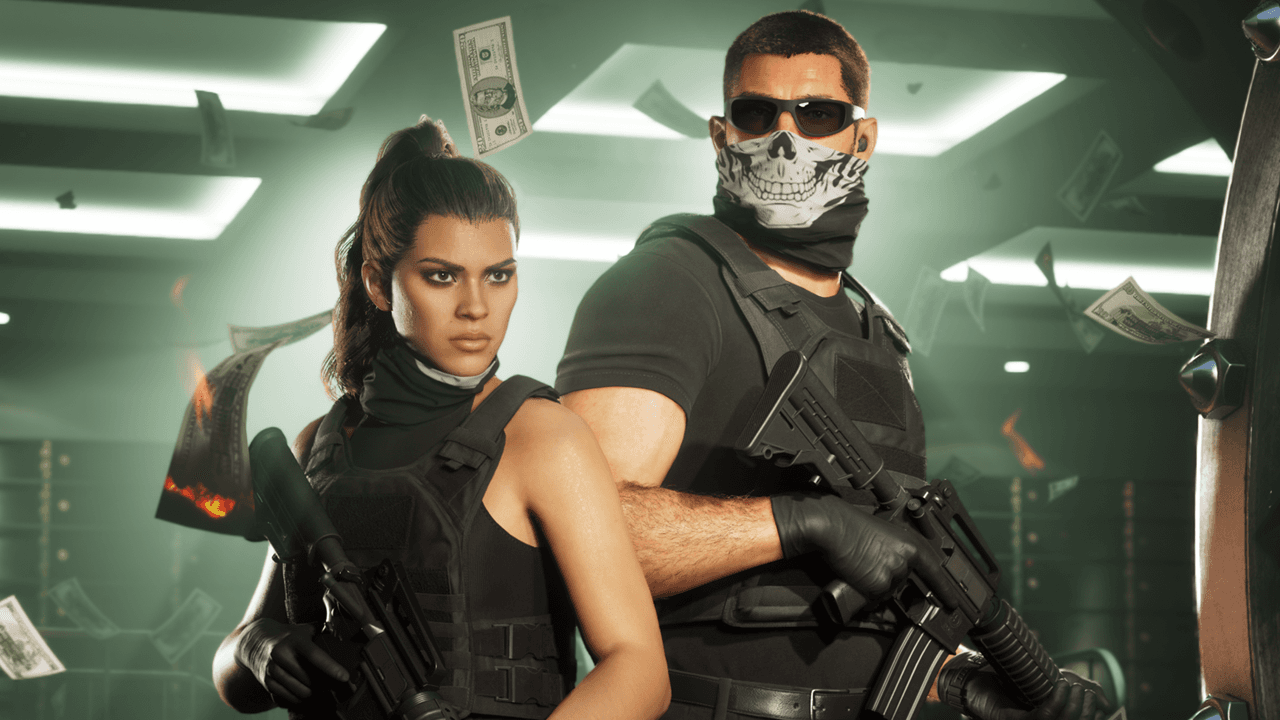
Recent behind-closed-doors footage shared by the content creator TGG has shed new light on the ethical boundaries within Grand Theft Auto VI, specifically regarding how the game tracks player behavior. According to IGN, the title features a dynamic "criminal profile" system that functions much like the reputation mechanics found in the Red Dead Redemption series. This system categorizes a player's conduct into four distinct tiers, ranging from Professional at the top, which signifies a more restrained and honorable approach, down through Aggressive and Violent, before reaching the lowest tier labeled Psycho. These stages ostensibly dictate how the world and its inhabitants react to the protagonist's escalating lack of discipline.
Beyond these four standard levels, TGG’s report highlights a hidden, unnamed state that serves as a final threshold for excessive misconduct. If a player consistently pushes their actions too far off the rails, this state begins to visually crack and eventually shatters completely. Rockstar Games reportedly suggested to the previewer that reaching this broken state is a particularly difficult feat, implying it is not an accidental outcome but rather the result of sustained, extreme deviation from the intended gameplay loop. Once the meter breaks, the system effectively stops measuring the player's actions, rendering their moral standing null for the remainder of that specific playthrough.
This mechanic places Grand Theft Auto VI in a unique position within the modern open-world genre, particularly as the first mainline entry in the series since 2013. With the long-anticipated 2026 launch window approaching for PlayStation 5 and Xbox Series X|S, the focus on character consistency becomes increasingly critical. As players take on the roles of Jason and Lucia in the reimagined Vice City and the broader state of Leonida, the narrative weight of their choices will likely hinge on this new system. It is a significant departure from the often-amnesic nature of previous entries, where bad deeds could be easily forgotten or forgiven by the simulation, suggesting a more persistent and consequence-driven experience for the franchise's return to its tropical roots.
From an editorial standpoint, this "shattered" state reveals Rockstar’s intent to challenge the traditional open-world power fantasy. By making it possible to become irredeemable, the studio is subtly punishing players who treat the game as a mere sandbox for chaos without regard for the narrative or social fabric of Leonida. This is a bold design choice that could significantly alter replayability and community discussion, as players may compete to maintain their status as Professional criminals rather than simply accumulating the most wanted level. For Take-Two, this adds a layer of depth that justifies the decade-long wait by offering a more nuanced role-playing experience, distinguishing GTA VI from the standard crime simulators that have filled the market since 2013.
The difficulty Rockstar attributes to achieving this broken state suggests a carefully tuned threshold, likely designed to separate casual players from those who actively seek to deconstruct the game’s social rules. It is a clever narrative device that acknowledges the player's agency while simultaneously drawing a hard line that the story will not cross. By removing the meter once it shatters, the game essentially tells the player that they have outgrown the system's capacity to judge them, a meta-commentary that fits well with the self-aware humor often found in the series. This approach could lead to a diverse range of playstyles, from meticulous heist planning to complete anarchy, all within the same engine but with vastly different experiential outcomes.
Ultimately, the existence of a morality meter that can permanently break for a playthrough signals a maturation in the franchise's design philosophy. It moves beyond simple reputation management into a realm of character integrity, forcing players to consider the long-term implications of their short-term choices. As the release date nears, this system will likely become a focal point for both narrative analysis and community challenges, potentially defining how fans remember their time in Vice City. It is a small but significant detail that underscores the scale of ambition behind the biggest game release of the decade.