

GTA’s Strangest Myths: A Full History
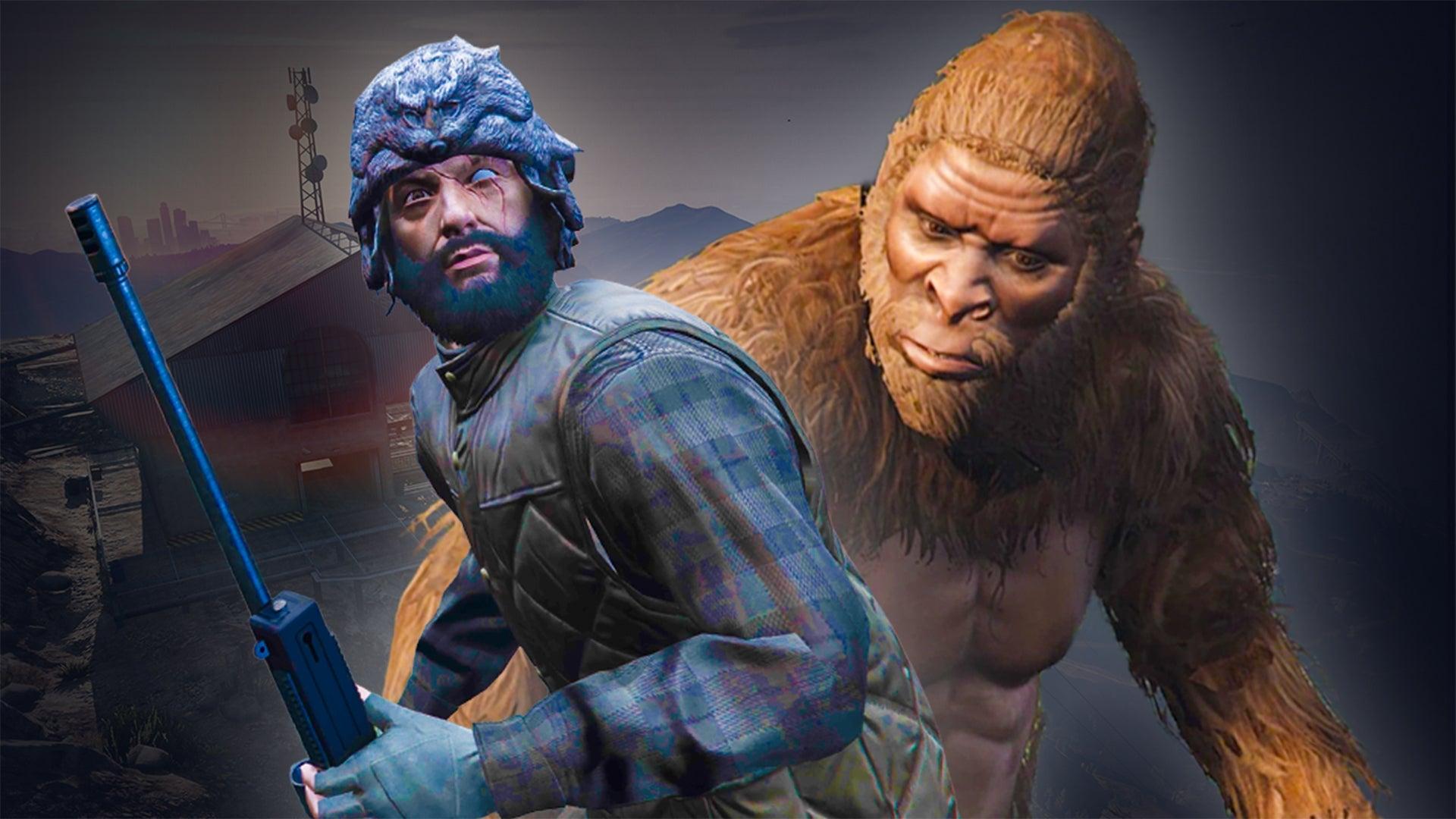
For as long as Rockstar Games has built open-world sandboxes, a dedicated subculture of players has treated these digital spaces less like crime simulators and more like hunting grounds for the paranormal and the forgotten. Across message boards and video archives, the search for unverified anomalies has become an essential part of the franchise's identity. A comprehensive retrospective published by IGN chronicles this peculiar history, examining how technical hurdles, narrative cuts, and the transition from playground word-of-mouth to early web forums transformed ordinary software quirks into enduring digital folklore.
The origin point for much of this speculative fervor traces back to 2001 with Grand Theft Auto III, which arrived following a brief delay in the wake of September 11. While Rockstar later clarified that only around one percent of the release was modified—primarily minor audio tweaks and vehicle liveries—the anxious atmosphere of the era led players to suspect deeper alterations. As IGN details, rumors long held that the notoriously unwieldy Dodo had its wings clipped to prevent players from crashing into skyscrapers; in truth, the aircraft was deliberately crippled because the PlayStation 2 hardware could not stream world data fast enough to support full flight. Similarly, the cut agitator Darkel, whose remnants survive only in code scraps and a cluster of tunnel-dwelling drifters, was abandoned strictly for narrative efficiency prior to the tragedy, rather than excised in a wave of post-9/11 censorship.
When the series expanded dramatically with Grand Theft Auto: San Andreas, the sheer scope of the map multiplied these conspiratorial impulses. Boasting expansive countryside, sprawling deserts, and dense timberland that dwarfed Liberty City's three-square-mile footprint, the 2004 classic gave players plenty of shadows to project their imaginations into. Technical anomalies such as unmanned driverless vehicles rolling down inclines and atmospheric fog layers catalyzed the infamous hunt for Bigfoot. What began as tips printed in enthusiast magazines soon evolved into a decentralized online pursuit, turning ambient environmental oddities into full-blown community investigations that outlived the console generation itself.
This persistent drive to uncover hidden truths highlights why the meta-game surrounding Rockstar's releases holds such rare staying power, especially during the protracted drought that has defined the series' modern era. In contemporary game development, digital storefronts and aggressive datamining often lay bare every asset and line of dialogue within hours of distribution, stripping modern releases of their mystique. Yet Rockstar's deliberate restraint in environmental storytelling continues to justify the speculation. For Take-Two and Rockstar, this community obsession is an invaluable asset: players do not merely consume the narrative and move on, but spend years combing every ridgeline and alleyway for anomalies. The folklore sustains interest across multi-year development cycles, keeping the titles culturally relevant when official marketing remains completely silent.
That long-standing appetite for discovery is about to face its most significant test with Grand Theft Auto VI. Representing the first numbered installment in the franchise since Grand Theft Auto V launched in 2013, the sequel trades southern San Andreas for the vast wetlands, urban sprawl, and neon-lit streets of the state of Leonida and a modernized Vice City. Slated to arrive in 2026 on PlayStation 5 and Xbox Series X|S, the dual-protagonist journey of Jason and Lucia will unfold across what promises to be Rockstar's most technically dense ecosystem to date. The sheer geographic variety hinted at in initial previews—from the murky bayous to crowded beach strips—naturally provides fertile ground for the next wave of speculative legends.
Whether Leonida's secrets can withstand the inevitable barrage of day-one file extraction remains an open question, but history suggests that player imagination will always outpace raw code. Even when tools prove that a mythical creature or a phantom radio broadcast does not exist in the files, the desire to believe in something undiscovered has consistently defined the Grand Theft Auto community. As the wait for the next chapter winds down, fans will undoubtedly bring that same investigative impulse to Vice City, eager to turn the next visual anomaly into gaming history.