

How to switch characters in GTA 6 and give your partner instructions
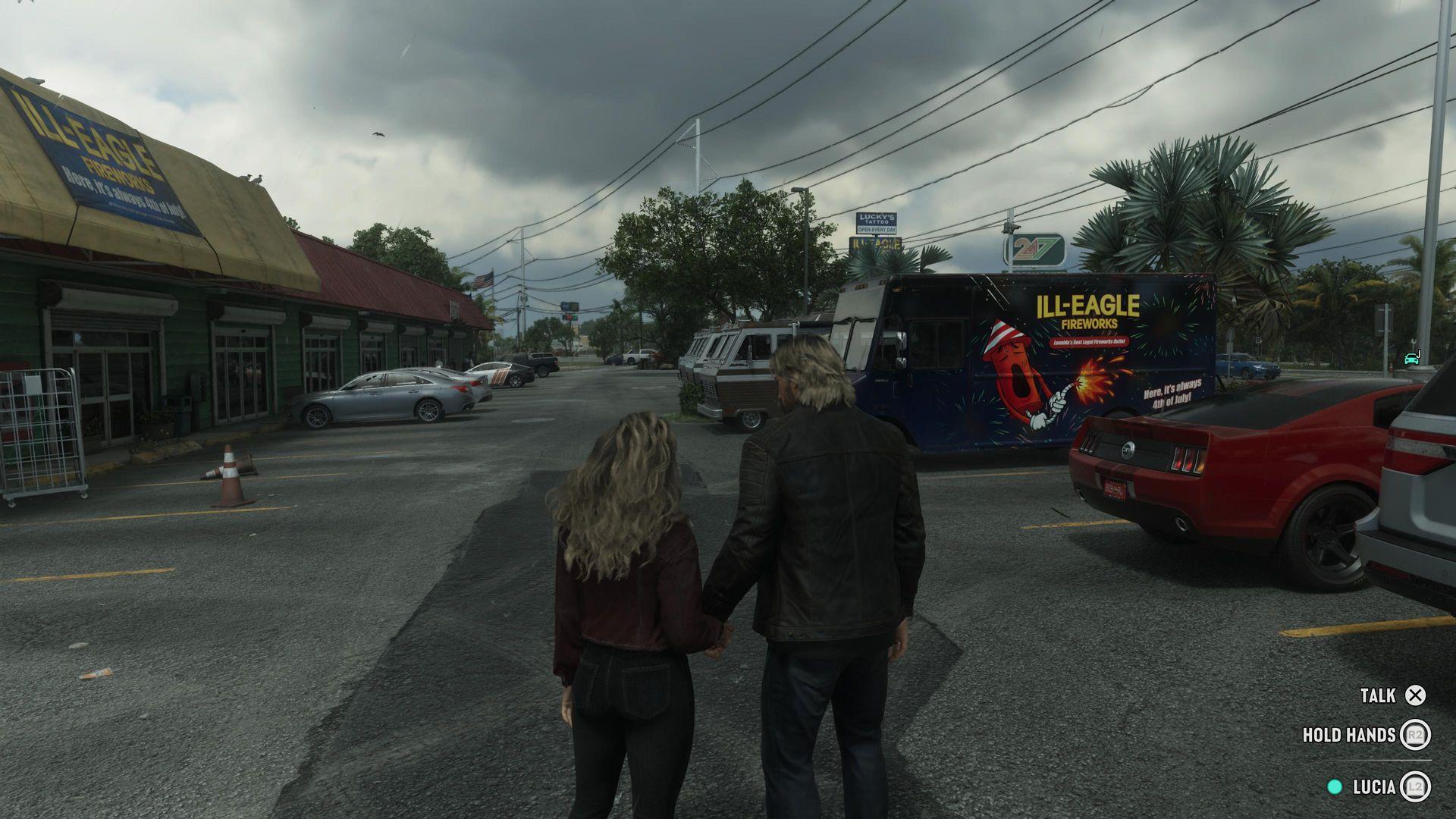
The dynamic between dual protagonists Jason Duval and Lucia Caminos lies at the very core of Grand Theft Auto VI, but players will not have instant access to character swapping from the opening credits. According to details reported by GamesRadar, the ability to alternate between the two leads becomes accessible only after reaching a specific milestone during the campaign's second chapter. Once active, transition between the criminals is triggered by holding right on the directional pad while pressing R1 or RB. The system is not entirely unrestricted; if a partner is occupied with personal matters, their interface avatar will darken, temporarily halting a manual takeover until they finish their independent tasks, while solo-specific jobs remain designated on the map by solitary "J" or "L" markers.
Beyond merely swapping vantage points, Rockstar Games has woven comprehensive coordination features into everyday gameplay across the state of Leonida. GamesRadar highlights that players can manage their operational standing by staying in contact through the in-game "WhatUp" messaging network or through direct phone dials, which summon the companion directly to the player's physical coordinates or a pre-selected navigation marker. Focusing a reticle or gaze on one's partner using the left trigger prompts contextual dialogue exchanges alongside options to share handheld provisions such as meals and drinks. Furthermore, players can relinquish driving responsibilities to their counterpart near personal rides, while an exhausting day of criminal activity eventually triggers safehouse indicators—signaled by a home marker flanked by a heart—prompting both outlaws to retreat and recuperate.
These interactive systems arrive as anticipation continues to build ahead of the title's projected 2026 debut across PlayStation 5 and Xbox Series X|S. Representing the franchise's inaugural mainline installment since Grand Theft Auto V arrived back in 2013, the project escorts the series back to a heavily modernized interpretation of Vice City alongside the surrounding wetlands and urban sprawls of Leonida. By centering the narrative on the criminal partnership of Jason and Lucia, Rockstar is clearly attempting to bridge high-stakes armed robbery with a focused, character-driven template that departs from the sprawling trio format introduced over a decade ago.
From an editorial vantage, this mechanical evolution reveals how Rockstar intends to bridge the systemic coldness that occasionally plagued Grand Theft Auto V. While the 2013 outing successfully balanced three disparate perspectives, Michael, Franklin, and Trevor rarely operated as an organic unit outside of rigid heist scenarios. Infusing Jason and Lucia with relationship metrics, casual resource handoffs, and routine downtime suggests that the developer is importing the tactile, human intimacy of Red Dead Redemption 2 into the satire and mayhem of Vice City. Making domestic and logistical tasks mechanically rewarding grounds the story, ensuring that the bond between the leads feels earned through ambient interaction rather than purely dictated by cinematic sequences.
For Take-Two Interactive and Rockstar, engineering this standard of dual-character responsiveness is vital to justifying the unprecedented gap between entries. With development costs and expectations dwarfing anything the medium has witnessed before, GTA 6 cannot simply rely on sheer geographic scale or graphical fidelity. The game needs to push ambient artificial intelligence and simulated companionship beyond the industry standard, proving that a decades-long incubation period can yield an open world that responds to human connection just as convincingly as it handles car chases and shootouts.