

How to use headphones in GTA 6 to listen to music and podcasts
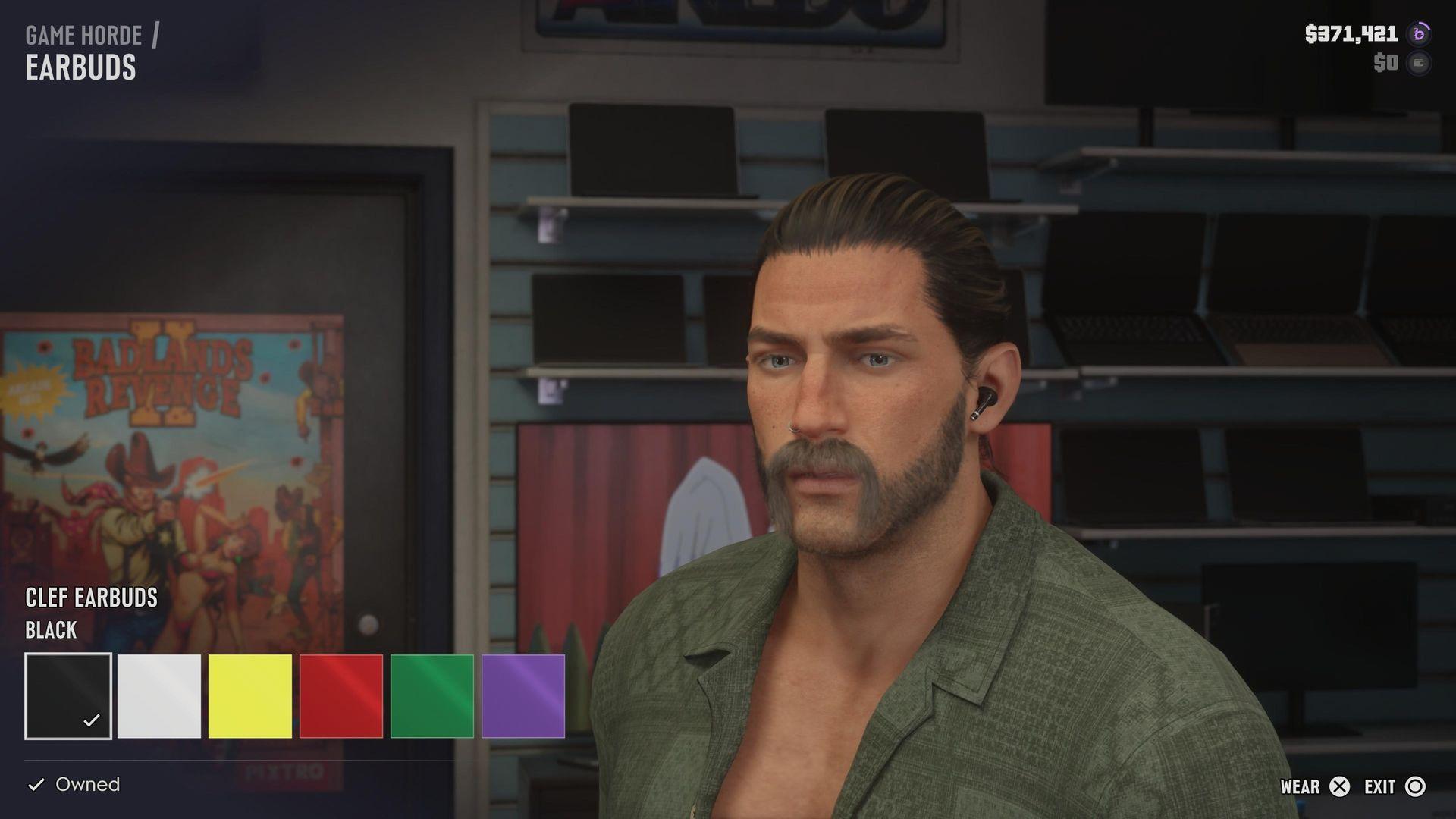
Sound design and musical curation have long served as the cultural heartbeat of Rockstar Games, but the studio appears poised to overhaul personal audio consumption entirely for its next outing. According to GamesRadar, the upcoming title introduces wearable personal listening gear that frees the franchise's storied radio catalog from car dashboards, permitting players to stream broadcasts directly while walking on foot. Alongside standard live frequencies, the system reportedly incorporates a dedicated on-demand media library, granting on-the-go access to multi-part talk shows and comedic podcasts with playback tracking that syncs uninterrupted between vehicular travel and street exploration.
This technical refinement arrives as anticipation steadily builds for the game's expected 2026 release window across PlayStation 5 and Xbox Series X|S. As the first numbered mainline chapter since Grand Theft Auto V arrived in 2013, the production returns the community to a sprawling, modernized interpretation of Vice City nestled within the broader state of Leonida. Driven by the dual dynamics of criminal leads Jason and Lucia, the experience appears crafted to capture contemporary American media culture, updating foundational gameplay mechanics that have remained largely unchanged for well over a decade.
Operating these audio systems relies on an expanded control layout. Holding left on the directional pad summons the radio interface within cars, boats, aircraft, and safehouses, allowing users to cycle through stations using either the shoulder bumpers or the right analog stick, with a tap of the primary face button silencing the audio entirely. Tilting the right stick downward while holding the directional pad opens the on-demand section, where pressing Square on PlayStation or X on Xbox cycles through individual podcast episodes before confirming playback. Notably, pausing an episodic track inside a vehicle preserves progress, allowing protagonists to pick up right where they left off after stepping out onto the pavement.
Taking those stations outside of a car requires purchasing functional hardware in the game world. Players can browse the in-game Index under the Style header to find local electronics stores, which are organized by proximity to the player. Basic earbuds and premium over-ear headphones begin at $100 and escalate in price, with Jason and Lucia required to buy their own separate accessories. Once obtained, equipping them involves holding the left bumper to access the inventory wheel, cycling over to the items tab, navigating to the headgear slot, and confirming the selection. However, wearing gear in public carries distinct physical hazards: engaging in hand-to-hand combat with aggressive civilians or trading blows with police officers can knock the equipment onto the pavement, requiring players to manually retrieve the fallen item before it disappears forever.
This commitment to mechanical friction highlights a fascinating evolution in Rockstar's design philosophy following the deliberate pacing of Red Dead Redemption 2. Rather than granting omnipresent, invisible access to music menus, tying playback to physical inventory and destructible world objects grounds the consumer tech of Leonida in believable realism. For Take-Two Interactive, backing such intricate simulation systems demonstrates an understanding that player immersion stems from small details as much as massive set pieces. By treating personal audio as a tangible element subject to environmental peril, the developer is reinforcing a living, reactive sandbox rather than a passive backdrop, validating the immense development cycle behind the studio's premier franchise.