

How Well Does GTA 6 Run On Xbox Series S
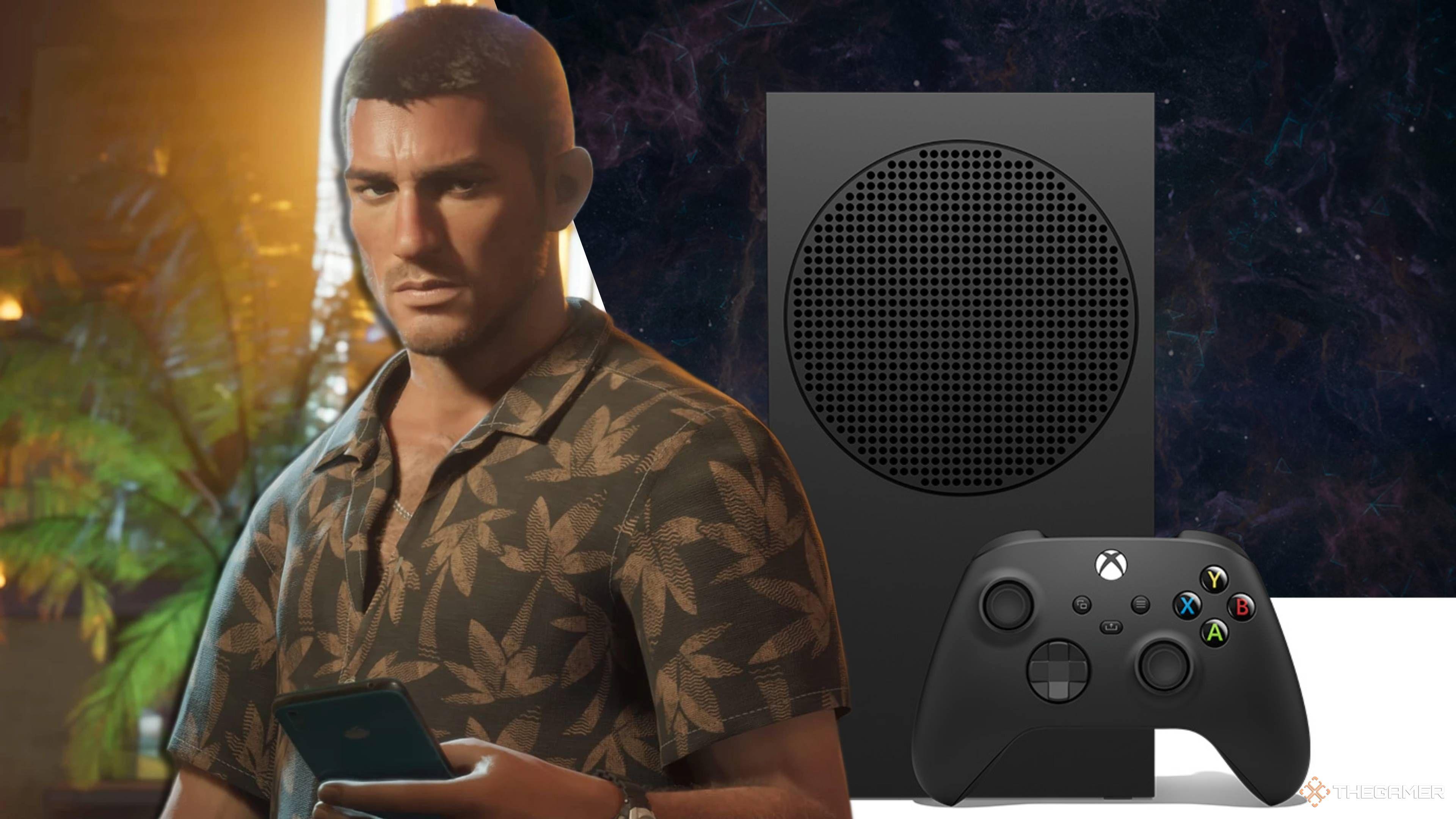
Launch day for Grand Theft Auto VI has finally arrived, and while hardware enthusiasts naturally gravitated toward premium setups, the most compelling technical talking point belongs to Microsoft's budget tier. For years, skeptics questioned whether the junior current-gen console would buckle under the weight of Rockstar Games' most ambitious sandbox to date. Yet as players flood into the game's expansive digital landscape, early community consensus suggests that the entry-level Xbox Series S delivers a surprisingly competent visual presentation that defies prior dread.
Rockstar kept its cards remarkably close to its chest in the build-up to launch, refusing to publicize any Xbox footage until the final twenty-four hours before the game went live. That silence naturally bred apprehension among owners of the less powerful machine, who feared an unoptimized mess or severe graphical downgrades. As TheGamer reports, however, the reception has shifted from panic to widespread disbelief, with the community expressing shock at the visual fidelity and overall stability Rockstar managed to extract from the modest hardware.
This achievement is particularly striking given the sheer scale of the project. Marking the first mainline entry in the franchise since Grand Theft Auto V arrived in 2013, the title takes players back to a modernized, sprawling Vice City nestled within the broader state of Leonida. Balancing the intertwined narratives of dual protagonists Lucia and Jason alongside dense urban crowds, dynamic weather systems, and advanced physics simulations, the production represents a massive technological leap on PlayStation 5 and Xbox Series X|S compared to its decade-old predecessor.
The technical anxiety surrounding the Series S was hardly baseless. Developers throughout this generation have repeatedly cited the machine's restricted memory bandwidth and lower compute power as major development hurdles, occasionally delaying features or entire releases on the platform. For Rockstar to deliver a cohesive experience without catastrophic compromises in resolution or frame delivery shows just how deeply the studio overhauled its proprietary RAGE engine to scale across heterogeneous hardware configurations.
From an industry standpoint, this outcome carries profound implications for both Take-Two Interactive and Microsoft. For Take-Two, ensuring a smooth experience on the Series S instantly unlocks millions of budget-conscious players who have not upgraded to high-end hardware, protecting the title's commercial baseline without alienating a crucial demographic. More importantly, it vindicates Microsoft's contentious split-SKU hardware philosophy. Had the industry's most significant cultural event stumbled on the cheaper machine, it might have permanently tarnished the Series S's credibility. Instead, Rockstar has proven that disciplined engineering can bridge the generational divide, setting a benchmark other studios can no longer easily dismiss.