

In GTA 6, Doomscrolling Is a Necessity If You Want to See Everything
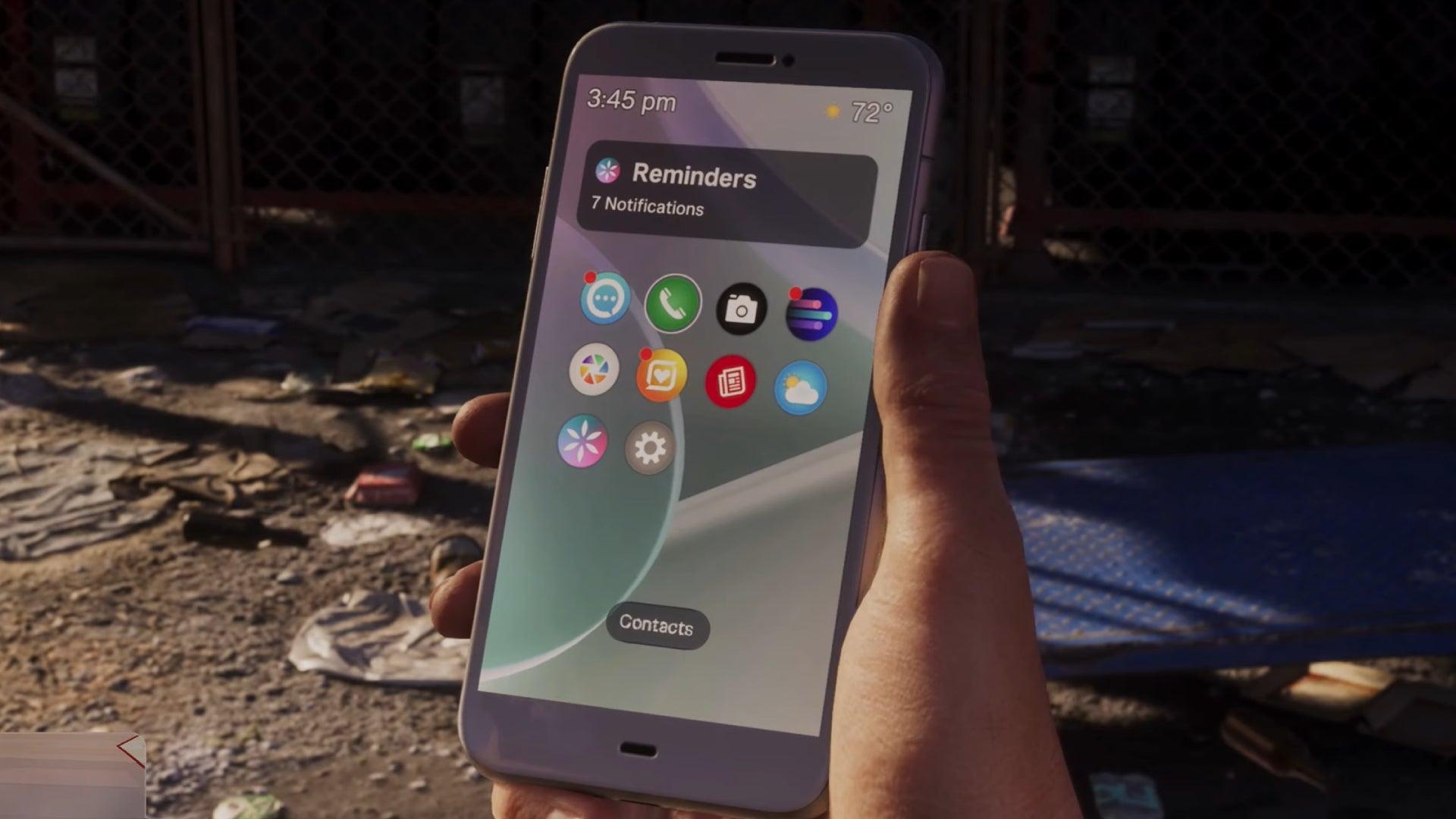
Ever since Rockstar Games unveiled its debut teaser filled with vertical video mockups, observers anticipated that contemporary internet culture would occupy a central place in the next chapter of the franchise. Now that early copies are active across regions such as New Zealand and Australia, the first impressions confirm that these applications are not merely decorative set dressing. To track down every hidden activity and obscure contact tucked away across the terrain, simulated doomscrolling has become a core element of field exploration.
The mechanics behind this feature came to light during an Ask Me Anything broadcast hosted by IGN, where reviewer Luke Reilly explained how idle digital browsing directly feeds back into exploration. While scanning Snapmatic, the in-game equivalent of Instagram, Reilly discovered that online posts actively generated objectives. “I was scrolling through the game’s social media, and I saw a post from this guy on a farm looking for a pilot, and it pings it on the map for you,” Reilly stated, adding that “it’ll ping in an undiscovered part of the map that there’s something there because you’ve spotted it on social media.”
This dynamic fits hand-in-glove with the creative direction established for the title ahead of its anticipated launch on PlayStation 5 and Xbox Series X|S. As the first proper mainline entry since Grand Theft Auto V arrived in 2013, the production returns to a reimagined Vice City set within the broader territory of Leonida. By casting dual protagonists Jason and Lucia against a backdrop dominated by streaming culture, local influencer stunts, and viral video culture, integrating phone algorithms into the breadcrumb trail feels like the most natural translation of modern Floridian satire imaginable.
From an editorial standpoint, this design shift addresses one of the most persistent hurdles Rockstar Games and Take-Two Interactive faced during this decade-long development cycle: keeping open-world discovery engaging. Industry standards have grown tired, frequently leaning on compass icons, repetitive watchtowers, and checklist logs that strip mystery from world design. Reimagining the mobile device as an authentic channel for emergent content allows Rockstar to break away from traditional waypoint clutter. Nevertheless, the studio is taking a calculated risk. Forcing players to sift through parody feeds mimics the exact digital exhaustion so many turn to video games to escape. If balanced carefully, this mechanic could redefine organic quest discovery; lean too heavily into it, and it could make completing side content feel uncomfortably close to an everyday digital chore.
Ultimately, linking physical exploration directly to a simulated algorithmic feed proves just how deeply Rockstar understands the current cultural landscape. Gone are the days when stumbling onto an offbeat job simply required listening to a radio plea or cruising down an isolated backroad. In modern Leonida, the world moves through glass displays, and players wanting the complete experience will have to spend time swiping along with it.