

Kingdom Come: Deliverance Dev Hopes GTA 6 Will Encourage Studios to Charge More for Their Games
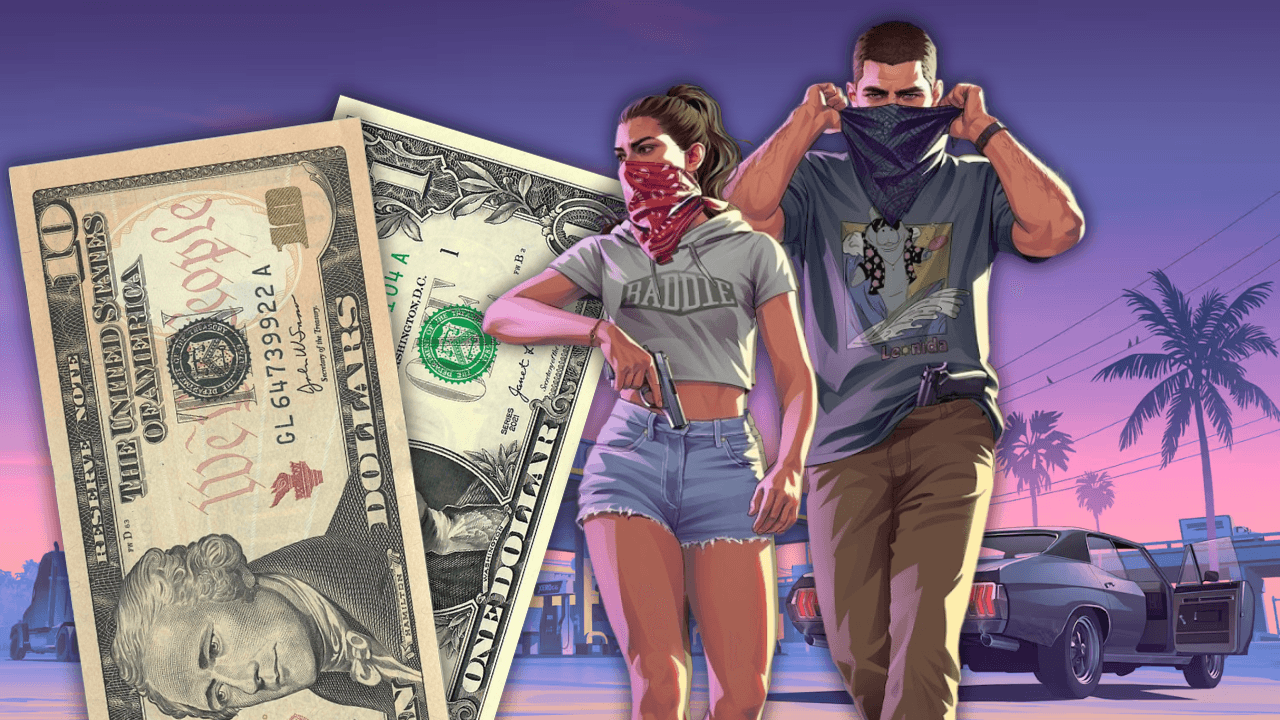
The ongoing debate over the future financial sustainability of the AAA gaming sector has taken a sharp turn, with Warhorse Studios co-founder Martin Klima placing his hopes squarely on Rockstar Games. Speaking in an interview reported by IGN, Klima expressed a desire for the upcoming Grand Theft Auto VI to serve as a precedent for raising the standard price point for major console releases. His argument rests on the premise that the current pricing model is no longer viable in an era where production budgets have skyrocketed while traditional retail channels have largely vanished, leaving developers with few options to recoup their massive investments.
Klima highlighted a specific quote from the conversation, noting that Rockstar and its parent company, Take-Two Interactive, hold a unique position in the market. He stated that these entities are the only ones who "can afford, or who can dare, to increase the price of games, which I think is long overdue and also necessary for this business to survive." This perspective suggests that smaller and mid-sized studios are currently paralyzed by market fears, waiting for a giant to move first before they feel safe adjusting their own pricing strategies to match the rising cost of development.
The context for this pressure is an industry that Klima describes as facing an existential crisis. He points to plateauing audience sizes and the decline of physical media as key factors, bluntly admitting, "We destroyed retail, and we took all their money." With brick-and-mortar sales no longer providing a reliable revenue stream, the digital-first model has stripped away a significant portion of the profit margins that once supported high-budget projects. Klima argues that without new revenue streams or a higher base cost per unit, the mathematical reality of making a blockbuster title becomes increasingly difficult to justify for most developers.
This discussion lands at a pivotal moment for the franchise, as Grand Theft Auto VI is set to launch in 2026 for PlayStation 5 and Xbox Series X|S. It marks the first new mainline entry in the series since 2013, meaning players have waited over a decade to finally step into the reimagined Vice City and the broader state of Leonida. The narrative focus on protagonists Jason and Lucia, whose character designs and storylines have evolved significantly since the initial teaser in 2013, underscores the sheer scale of resources Rockstar has poured into this single project. The longevity of this development cycle itself is a testament to the high costs Klima is referencing.
There is a compelling logic to Klima’s argument that only a titan like Rockstar can force a market correction. If a title with the guaranteed sales volume of GTA 6 can sustain a higher price tag without suffering a catastrophic drop in consumer interest, it would signal to the rest of the industry that the ceiling is higher than previously assumed. This could provide the cover mid-sized studios need to raise their prices from the standard $70 tier, which has remained largely stagnant despite inflation and increased production complexity. Essentially, Rockstar’s brand power could act as a de-risking mechanism for the entire sector’s pricing models.
However, the notion of a price hike carries significant risk, particularly in a market already sensitive to value. While Klima suggests that raising the unit price is the "last thing you can do" to ensure survival, it is also the most visible and easily criticized move. If consumers reject a higher price point for even the most anticipated game of the decade, it could signal a broader resistance to cost increases, potentially stifling innovation in other titles. The success of this strategy will depend on whether players perceive the additional cost as a fair trade for the unprecedented scope and quality of the experience, or as an exploitative capitalization on their long wait.
Ultimately, the outcome of GTA 6’s pricing strategy will likely serve as a bellwether for the next generation of AAA titles. If Rockstar and Take-Two successfully implement a higher price point and maintain strong sales, it may validate the argument that the current model is broken and in need of repair. Conversely, a backlash could force studios to seek alternative monetization methods or rely more heavily on live-service elements to cover costs. Regardless of the final price tag, the conversation initiated by Klima highlights a fundamental tension in modern gaming: the need to balance the soaring costs of creating expansive, high-fidelity worlds with the economic realities of the consumer base.