
Miami Approves 'Discreet' GTA 6 Marketing Campaign So the City Can Fix Its Football Field
Miami Beach city officials have formally authorized a promotional partnership with Rockstar Games, granting permission for a low-profile marketing initiative to coincide with the launch of *Grand Theft Auto VI*. The decision was secured through a narrow 4-3 vote at a recent municipal meeting, clearing the path for the developer to integrate its branding into the local landscape. This approval marks a significant real-world convergence between the fictional Vice City and its geographical inspiration, setting the stage for a coordinated effort to elevate global awareness of the region in the months leading up to the game's release.
Under the terms of the agreement, Rockstar Games is obligated to remit a minimum of $3 million to the City of Miami Beach. In exchange for this financial contribution, the developer will be permitted to display associated logos and campaign materials across the town from October 15 through December 31, 2026. This timeframe is strategically aligned with the anticipated September 10, 2026, debut of the title, ensuring that the promotional push remains active well into the holiday season when consumer attention on gaming news typically remains high.
The vote, however, was far from unanimous, sparking a heated debate among commissioners regarding the suitability of associating municipal infrastructure with a franchise known for its edgy content. Opponents of the measure, including Commissioner David Suarez, raised ethical concerns about endorsing a product that depicts criminal behavior. As reported by IGN, Suarez explicitly noted that the game allows players to "steal cars, deal drugs, commit robberies, murder civilians, and assassinate police officers," arguing that such themes conflict with the city's public image and values.
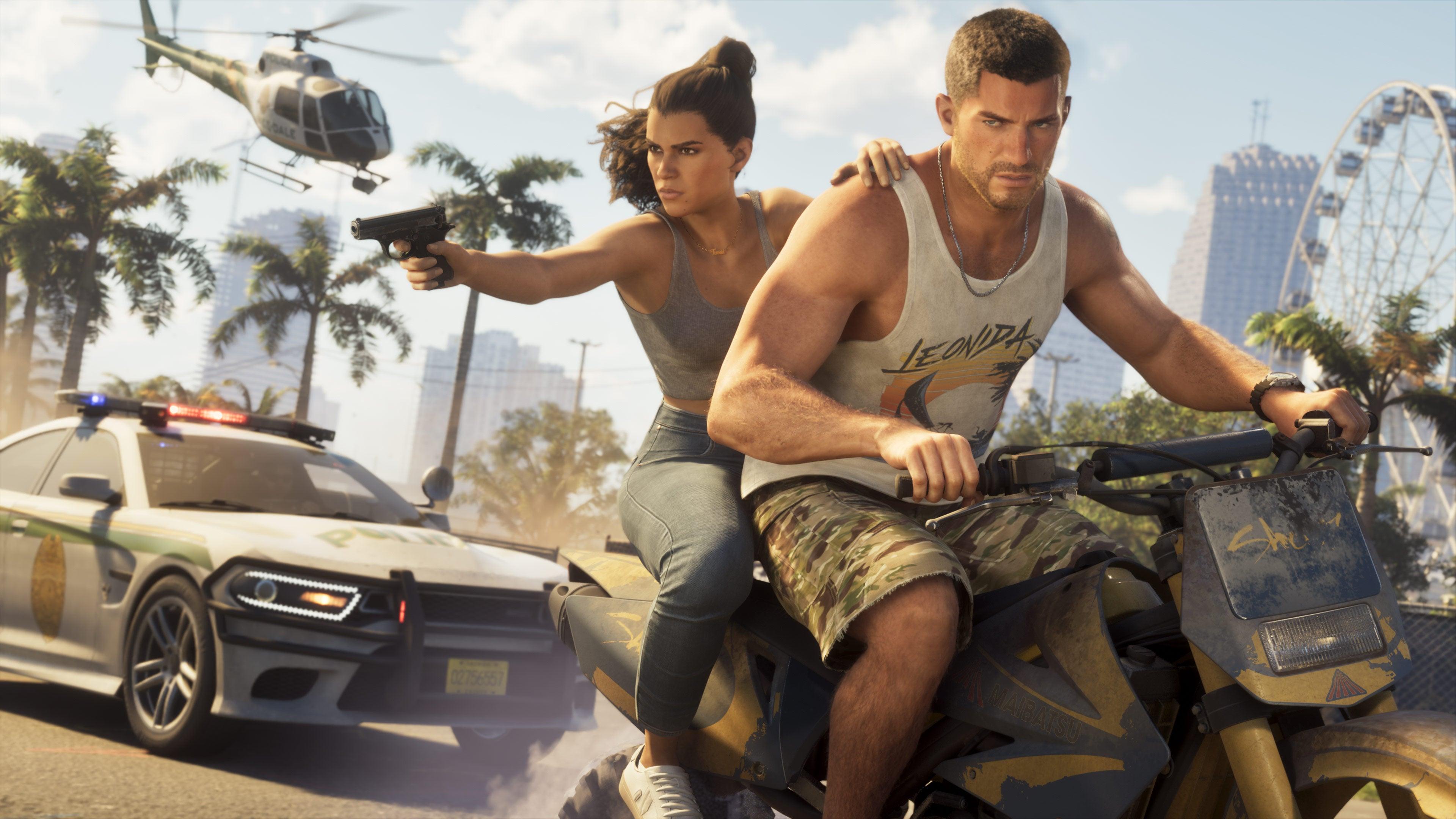
This development provides a tangible link to the long-anticipated return of the series to a reimagined version of Vice City, situated within the broader state of Leonida. As the first mainline entry in the *Grand Theft Auto* franchise since *GTA V* in 2013, the upcoming title features a dual-protagonist structure centered on Jason and Lucia. By securing this partnership, Rockstar is not only leveraging the visual fidelity of its open-world map but also actively engaging with the physical location that served as its primary design reference, bridging the gap between digital simulation and real-world geography for the first time in this specific context.
From an editorial standpoint, this deal signals a maturing approach to marketing that prioritizes tangible civic benefits over mere brand exposure. For Take-Two Interactive, the parent company, the $3 million payout is a negligible expense relative to the global footprint of the franchise, yet it serves a strategic purpose by neutralizing potential local opposition and fostering goodwill with the community that inspired the setting. It suggests that Rockstar is aware that the cultural weight of *GTA* extends beyond the screen, and by investing in the actual city, they are softening the contrast between the game’s chaotic fiction and the orderly reality of Miami Beach.
Furthermore, this move fits into the broader narrative of the decade-long wait for the new installment, where every detail, from gameplay mechanics to environmental design, has been scrutinized by a patient and skeptical audience. The decision to approve a "discreet" campaign suggests that Rockstar intends to manage the hype cycle with a degree of restraint, avoiding the sensory overload of previous launch windows. By tying the marketing to a specific civic contribution, the developer frames the promotion not just as advertising, but as a form of cultural exchange, potentially mitigating the criticism that the series exploits local aesthetics without offering anything in return.
Ultimately, the 4-3 approval reflects a compromise that balances commercial ambition with reputational risk management. While the violence depicted in the game remains a point of contention for some local officials, the financial incentive and the national visibility of the launch appear to have outweighed those concerns for the majority of the voting body. As we approach 2026, this partnership serves as a reminder that *Grand Theft Auto* is no longer just a video game; it is a global cultural event that now has the power to influence municipal policy and urban branding strategies in its own right.