

Miami-Dade Sheriff and Commissioner Slam City's Proposed GTA 6 Takeover for 'Promoting Fictional Version of Our Community Defined by Crime and Violence'
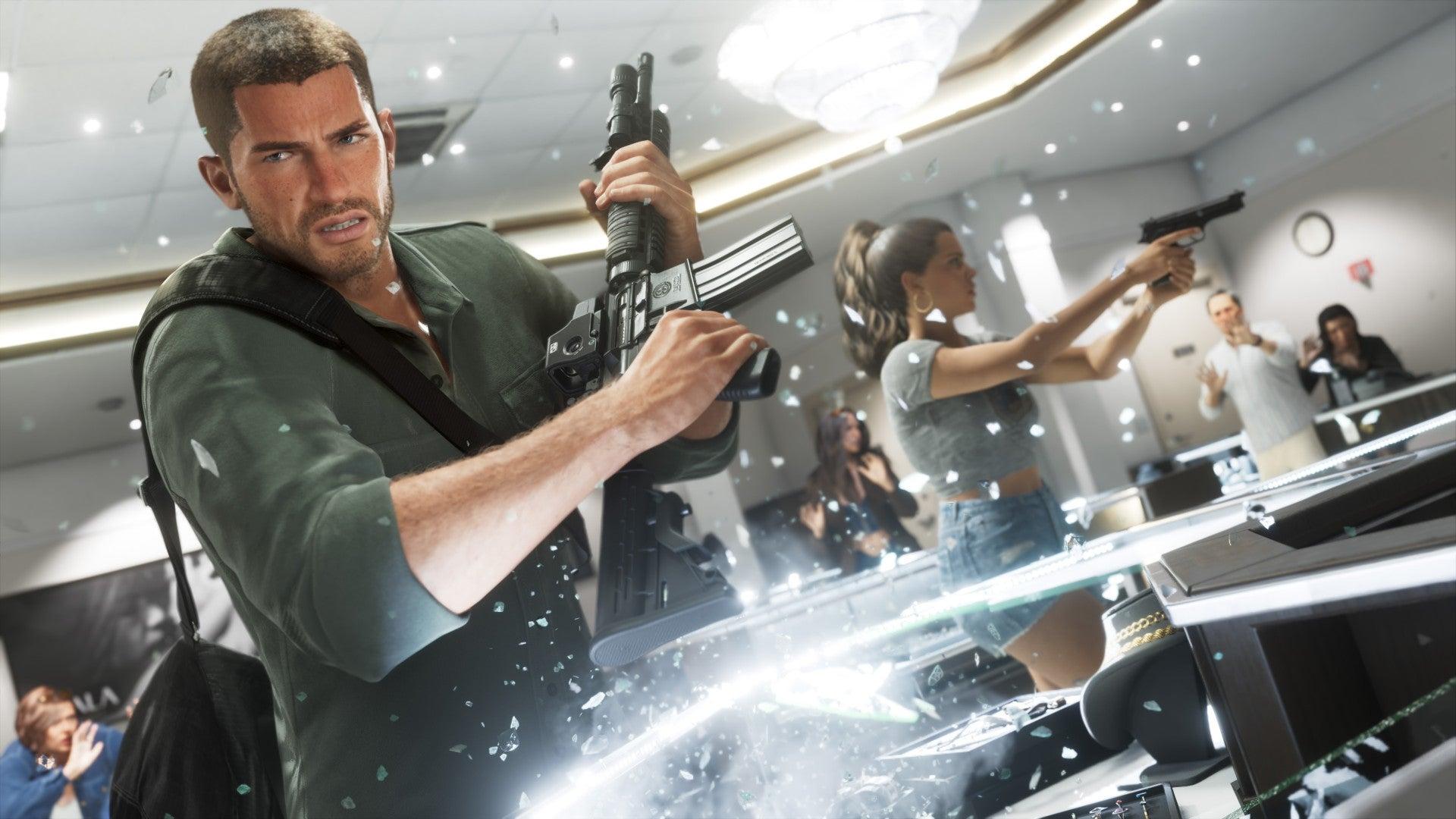
The Miami-Dade Sheriff’s Office has publicly rejected a municipal proposal to transform the city into a promotional showcase for Grand Theft Auto VI, criticizing the initiative as an inappropriate endorsement of criminal behavior. According to IGN, local law enforcement leaders argue that such a celebration would undermine their daily efforts to maintain public safety and would effectively promote a fictionalized version of the community that is inextricably linked to violence and illicit activity. This official pushback marks a significant friction point between the local government’s cultural ambitions and the operational realities of policing in one of the game’s primary real-world inspirations.
The controversy stems from earlier reports in late August indicating that county officials were in active discussions with Rockstar Games regarding a comprehensive thematic takeover of Miami coinciding with the game’s release. The proposed plan included extensive visual modifications, such as wrapping the Metro transit line in Vice City branding, installing custom manhole covers featuring game iconography, and replacing signage at Miami International Airport with "Welcome to Vice City" advertisements. While these elements were intended to capitalize on the global hype surrounding the title, they have now drawn sharp criticism from the Sheriff’s Office for failing to account for the negative connotations associated with the game’s narrative.
This dispute arrives at a critical juncture for the franchise, which is set to launch on PlayStation 5 and Xbox Series X|S in 2026. Grand Theft Auto VI represents the first mainline entry in the series since 2013, a gap of nearly a decade that has elevated the title from a simple video game release to a cultural event of monumental scale. The game centers on the stories of Jason and Lucia, two criminals operating in a reimagined version of Miami known as Vice City, a location that Rockstar has rendered with meticulous attention to the region's architecture and landscapes. The impending return to this setting has generated unprecedented anticipation, making the local reaction to the game’s branding efforts particularly high-stakes.
From an editorial standpoint, this clash highlights the inherent tension between commercial spectacle and civic responsibility in the era of hyper-anticipated media releases. For Take-Two and Rockstar, the partnership with Miami was likely designed to blur the lines between the digital and physical worlds, offering players a tangible connection to the game’s aesthetic before they even buy a disc. However, the Sheriff’s objection forces a necessary reckoning with how fictional narratives of crime are perceived by the institutions tasked with preventing them. It suggests that while the game’s depiction of Miami may be artistically faithful, its association with organized crime and violence is a reality that local authorities cannot simply ignore in the name of marketing synergy.
The refusal to proceed with the proposed takeover may have broader implications for how rockstar games manages its community relations in the lead-up to the 2026 launch. If local law enforcement is viewed as an adversary rather than a partner in this cultural moment, it could complicate future collaborations or even generate local resistance to the game’s presence. This is not merely a branding issue; it is a reflection of how deeply the Vice City lore is intertwined with the public perception of Miami. The Sheriff’s stance indicates that the city’s identity is not for sale to the highest bidder, even if that bidder is the most anticipated video game of the decade.
Ultimately, the decision to scrap or modify the Vice City-themed decor may signal a more cautious approach to the game's rollout in its spiritual home. While the digital world of Leonida is a place of lawless freedom, the physical world of Miami-Dade operates under strict legal and social constraints. The fact that this debate has reached the level of the Sheriff’s Office underscores the magnitude of GTA VI’s cultural footprint. As the release date nears, the interaction between the game’s fictional narrative and the real-world community will likely remain a central topic of discussion, far beyond the usual discourse of gameplay mechanics and graphics technology.