

Miami Sheriff Slams GTA 6 For Glorifying Crimes They Work Every Single Day To Prevent In Clash Over Turning Miami Into Vice City
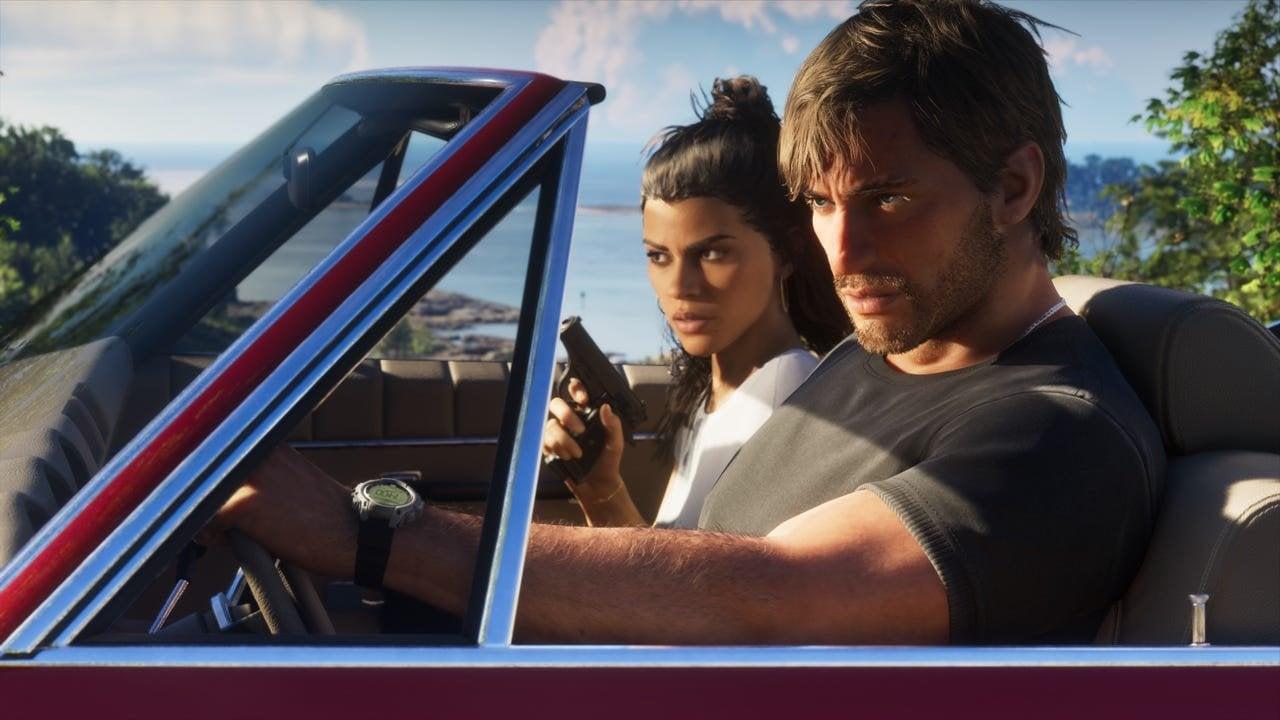
The tensions surrounding the upcoming launch of Grand Theft Auto VI have extended beyond the digital realm, landing squarely in the political landscape of South Florida. According to Kotaku, Miami-Dade Sheriff Rosie Cordero-Stutz has voiced strong disapproval of local government efforts to align the county’s branding with the video game series. Her objections center on the fundamental nature of the franchise, which she describes as being constructed around illicit activities. She emphasized that the fictional universe depicted in the games features crimes such as homicide, theft, narcotics distribution, and assault on police officers, all of which are the primary targets of her law enforcement team’s daily efforts to maintain public safety.
The controversy stems from a proposal originally revealed by The Miamian in late June, where Mayor Daniella Levine Cava presented a concept for a “GTA VI × MDC” partnership to Rockstar Games. The document outlined strategies to integrate the city, often cited as the real-life model for Vice City, into the game’s promotional ecosystem using sanctioned characters and aesthetic elements. One specific highlight of the pitch was the vision for a Vice City Motor Fest, an event designed to showcase customized vehicles, classic cars, and local entertainment in a curated, family-oriented environment. However, a representative for the mayor’s office has since clarified that no formal agreement or approval has been reached regarding this collaboration.
This public dispute has taken on a notable political dimension, particularly because the sheriff’s criticism was issued jointly with Commissioner Juan Carlos Bermudez. As a Republican candidate who is positioned to challenge Mayor Levine Cava for the county seat in 2028, Bermudez framed the issue as a matter of regional pride and economic identity. He argued that Miami-Dade has invested decades in cultivating a reputation as a premier global hub for tourism and business. From his perspective, associating the county with a fictional locale defined by criminality undermines the hard-won image of a safe and prosperous community, making the alignment a potentially damaging strategic error.
For readers tracking the development of the series, this local friction occurs against the backdrop of a monumental release that has been in the works for over a decade. Grand Theft Auto VI is currently slated for a 2026 launch on PlayStation 5 and Xbox Series X|S, marking the first major entry in the mainline franchise since Grand Theft Auto V in 2013. The title is set to return players to a reimagined version of Vice City, now part of the fictional state of Leonida, and will follow the story of new protagonists Jason and Lucia. With the game already generating significant interest through gameplay reveals and vehicle spotting, the external noise from local officials adds an unexpected layer of complexity to its pre-launch narrative.
From an editorial standpoint, this clash highlights a recurring tension between Rockstar Games’ stylized, anarchic fiction and the real-world communities that serve as its inspiration. While the previous entries in the series, such as the New York City settings of GTA IV and GTA V, did not spark comparable political pushback from local authorities, the cultural weight of Miami as a global destination seems to have made it a more sensitive target. This incident suggests that as Rockstar looks to capitalize on the immense cultural footprint of GTA VI, it may face increasing scrutiny from civic leaders who view the association with crime-themed media as a threat to their economic and social standing, rather than just a neutral reference to their geography.
Ultimately, whether or not the "GTA VI × MDC" deal moves forward, the incident serves as a reminder of the game’s pervasive influence. Rockstar Games and Take-Two Interactive are preparing to release a title that will likely become one of the most significant cultural touchstones of the next few years. The fact that high-ranking local officials feel compelled to publicly distance themselves from the franchise’s core themes indicates just how deeply the game’s lore has permeated public consciousness. For Rockstar, this is a minor administrative hurdle, but for the people of Miami-Dade, it represents a genuine concern about how their city is perceived in the global spotlight of the next major gaming era.