

New GTA 6 In-Game Footage Continues to Highlight the Game's Unbelievable Graphics
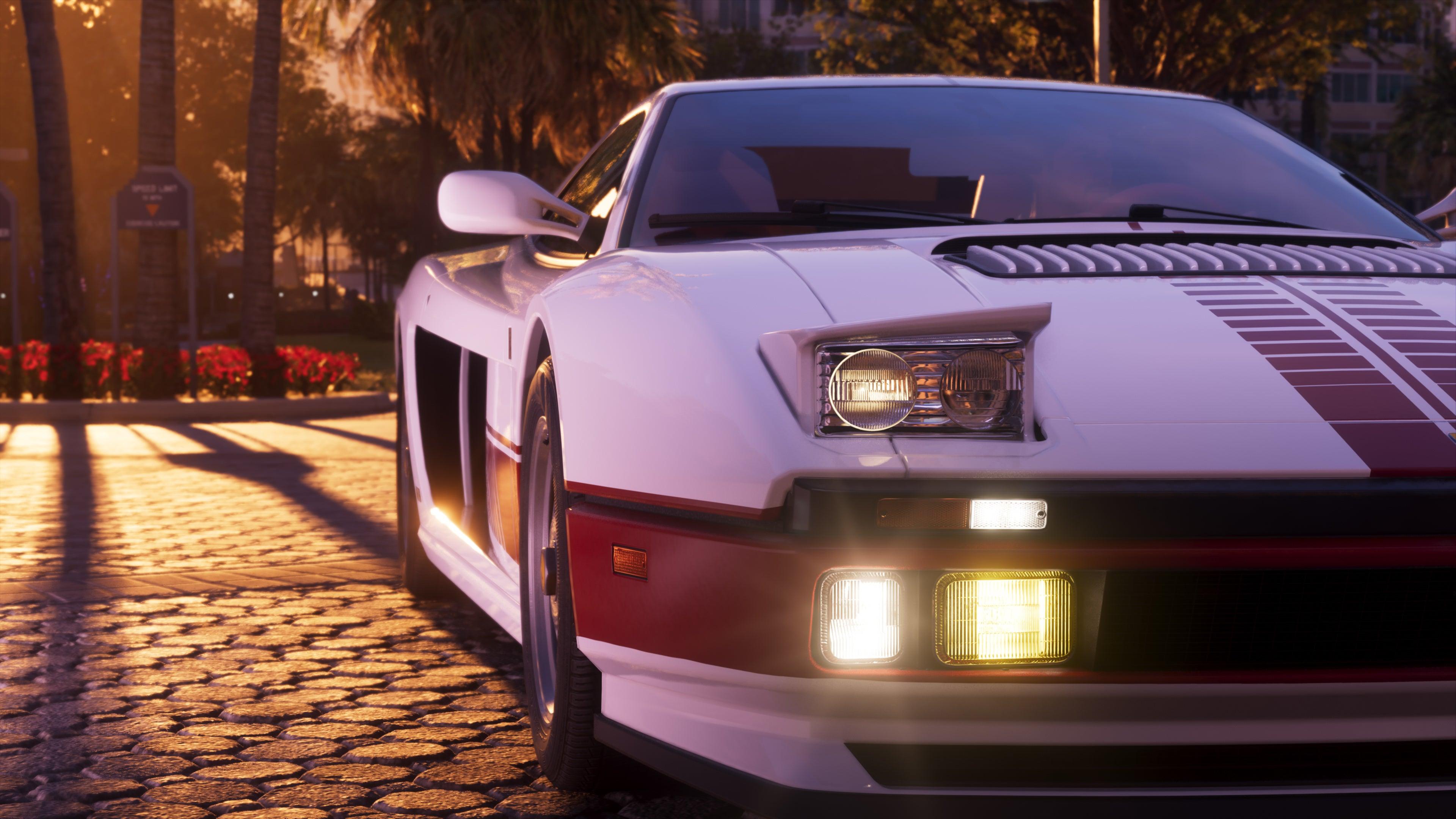
The latest batch of visual evidence from Grand Theft Auto VI has once again blurred the line between digital simulation and physical reality, leaving the gaming community in a state of collective disbelief. According to reporting by IGN, Rockstar Games has circulated new in-game clips that depict high-performance vehicles navigating the streets of the game’s fictional locale. These segments are not merely static renders or promotional trailers, but dynamic gameplay captures that showcase the engine’s capability to handle complex lighting, reflections, and vehicle physics in real-time. The sheer fidelity of the images has prompted widespread speculation among viewers who initially dismissed the material as artificial intelligence-generated content or high-end concept art, only to be proven wrong by the developer’s official confirmation.
A central element of this marketing strategy involves the "Only in Dade" Instagram account, a page dedicated to showcasing authentic street scenes from Miami, Florida. This account recently shared a video of several luxury cars cruising through the area, which was later revealed to be actual footage from the game. The sequence appears to mirror a real-life video captured in October, suggesting that Rockstar is meticulously recreating specific moments from the actual city to demonstrate the accuracy of their digital twin. By posting these clips alongside genuine local content, the studio is effectively using the real world as a benchmark to highlight how closely their virtual environment replicates the texture, scale, and atmosphere of the source material.
This tactic fits squarely into the broader narrative surrounding the highly anticipated 2026 release of the title on PlayStation 5 and Xbox Series X|S. As the first major entry in the franchise since 2013, the game is set to return players to a reimagined Vice City and the expansive state of Leonida, featuring the dual protagonists Jason and Lucia. The focus on visual precision serves a dual purpose: it reassures long-time fans that the decade-long development cycle has yielded a technical leap rather than just a graphical refresh, and it reinforces the game’s identity as a detailed, living simulation of a specific cultural and geographic landscape. The return to this setting, after years of speculation and leaks, makes every new visual asset a significant data point in understanding the final product's scope.
From an editorial standpoint, this sustained emphasis on photorealism is a calculated move by Rockstar and its parent company, Take-Two, to manage expectations during a period of intense scrutiny. With a ten-year gap between major releases, the studio cannot rely solely on gameplay mechanics to generate interest; the visual spectacle has become the primary hook for both core enthusiasts and casual observers. This approach signals that the final product will likely push the hardware limits of current-generation consoles, potentially setting a new standard for open-world fidelity that competitors will struggle to match for years. It is a risk, certainly, as it invites direct comparison with real-world videography, but it is also a testament to the team’s confidence in their technical achievements.
The reaction from the player base has been one of cautious skepticism that has quickly turned into genuine awe. Many users failed to recognize the footage as video game content, with one observer noting, "This game isn't real, bro; there HAS to be a trap somewhere. There is no f**king way," while another simply stated, "Absolutely insane this is in-game." These comments underscore a broader shift in how audiences perceive high-fidelity gaming; the barrier between the virtual and the physical is becoming increasingly porous. For Rockstar, this confusion is a feature, not a bug, as it generates organic buzz that far exceeds the reach of traditional advertising campaigns, driving engagement without the need for explicit explanation.
Ultimately, these clips serve as a reminder that the wait for this specific title has been defined by a gradual reveal of its technological prowess. Each new piece of footage adds another layer to the puzzle, confirming that the developers are prioritizing immersion and detail over raw content volume in these early showcases. As the release date approaches, it is likely that we will see more of these subtle, almost deceptive pieces of marketing that challenge our perception of what is possible in a video game. The strategy is working, as the conversation has shifted from "when is it coming" to "how is this actually being rendered," which is a significant step for a title carrying such monumental expectations.