

Original GTA Artist Says He's 'Flattered' to See His Influence Continue in GTA 6 Cover Art
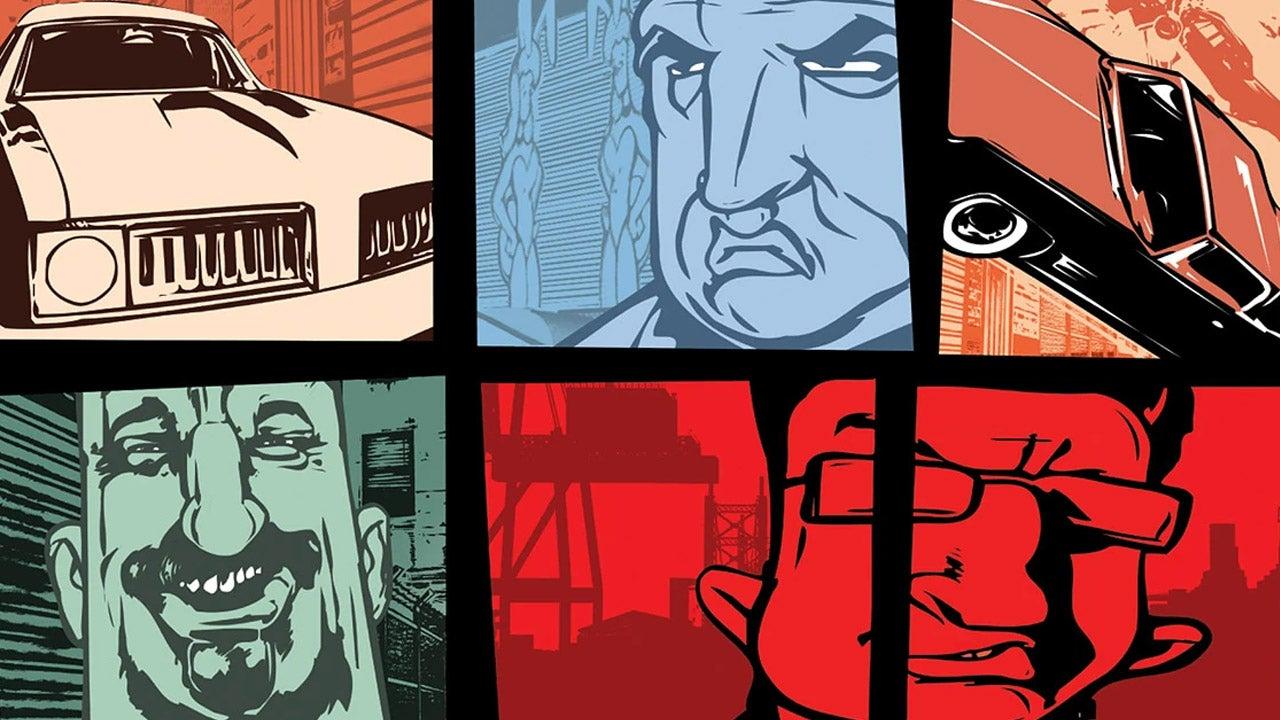
Stephen Bliss, the veteran artist who helped define the visual identity of the Grand Theft Auto franchise, recently shared his thoughts on the latest promotional materials for the upcoming entry in the series. Speaking with IGN at Lucca Comics and Games, Bliss acknowledged that while he had no direct involvement in creating the new cover art, he feels a sense of pride seeing familiar design elements persist. The former Rockstar employee, who contributed to the studio from 2001 until 2016, noted that certain structural choices on the box art echo the templates he originally established during his tenure.
Specifically, Bliss pointed to the continued use of the box grid layout and the placement of a helicopter in the upper left corner as remnants of his original design language. "Well, I looked at the GTA 6 cover, for example. I had nothing to do with that, but the fact they still use the box grid and they still put the helicopter in the top left corner, which was something that I developed, I'm flattered by that," he explained. He emphasized that recognizing these subtle nods feels personal, noting, "It touches me that that heritage continues."
Despite his appreciation for these lingering influences, Bliss was careful to clarify the extent of his impact on the current presentation. He described the new cover as having developed its own distinct visual language, with his contributions serving merely as minor references rather than foundational components. "My influence is in the GTA 6 cover, but it's its own language. I just have little references in there. I'm like, 'Oh, that's nice that they used that.' But I'm absolutely not saying I contributed to that massively," he stated, aiming to avoid overstating his role in the final product.
This discussion comes at a pivotal moment for the franchise, which is widely anticipated to launch in 2026 for PlayStation 5 and Xbox Series X|S. As the first mainline installment in over a decade since the release of GTA V in 2013, the game carries immense expectations to not only deliver a massive open-world experience but also to evolve the series' aesthetic. The return to a reimagined Vice City and the introduction of the fictional state of Leonida, featuring protagonists Jason and Lucia, signals a significant shift in setting and narrative, making the preservation of classic branding elements a conscious choice by the developers.
From an editorial standpoint, this continuity in design is a strategic move by Rockstar Games to bridge the gap between nostalgic fans and a new generation of players. By retaining recognizable structural cues in the packaging and marketing, the studio reinforces the brand's identity without relying on the specific artists from the previous era. This approach allows Take-Two to maintain a cohesive visual history while still permitting the creative team to innovate and establish a fresh tone for the sixth major entry, ensuring the series feels both familiar and forward-looking.
Bliss’s reaction also highlights the complex relationship between legacy creators and the ongoing evolution of major franchises. After spending fifteen years shaping the look of one of gaming’s most recognizable properties, seeing one's work referenced in high-profile marketing years after departure is a distinct validation of that artistic legacy. It suggests that the visual DNA of Grand Theft Auto has become so entrenched in the corporate culture that it persists independently of its original architects, a testament to the lasting impact of the early 2000s design principles on the modern industry.
Ultimately, while the specific details of the GTA 6 cover may have been crafted by a new team, the underlying architecture of its presentation remains indebted to the pioneers of the series. For readers tracking the development of this highly anticipated title, these small design echoes serve as a reminder that the franchise is built on a foundation of consistent branding and artistic integrity. As the release date approaches, such nuances in marketing will likely become increasingly important in framing the narrative of the game's return to the spotlight.