

Red Dead Redemption and Bully "nearly didn't happen," Rockstar Games co-founder Dan Houser says
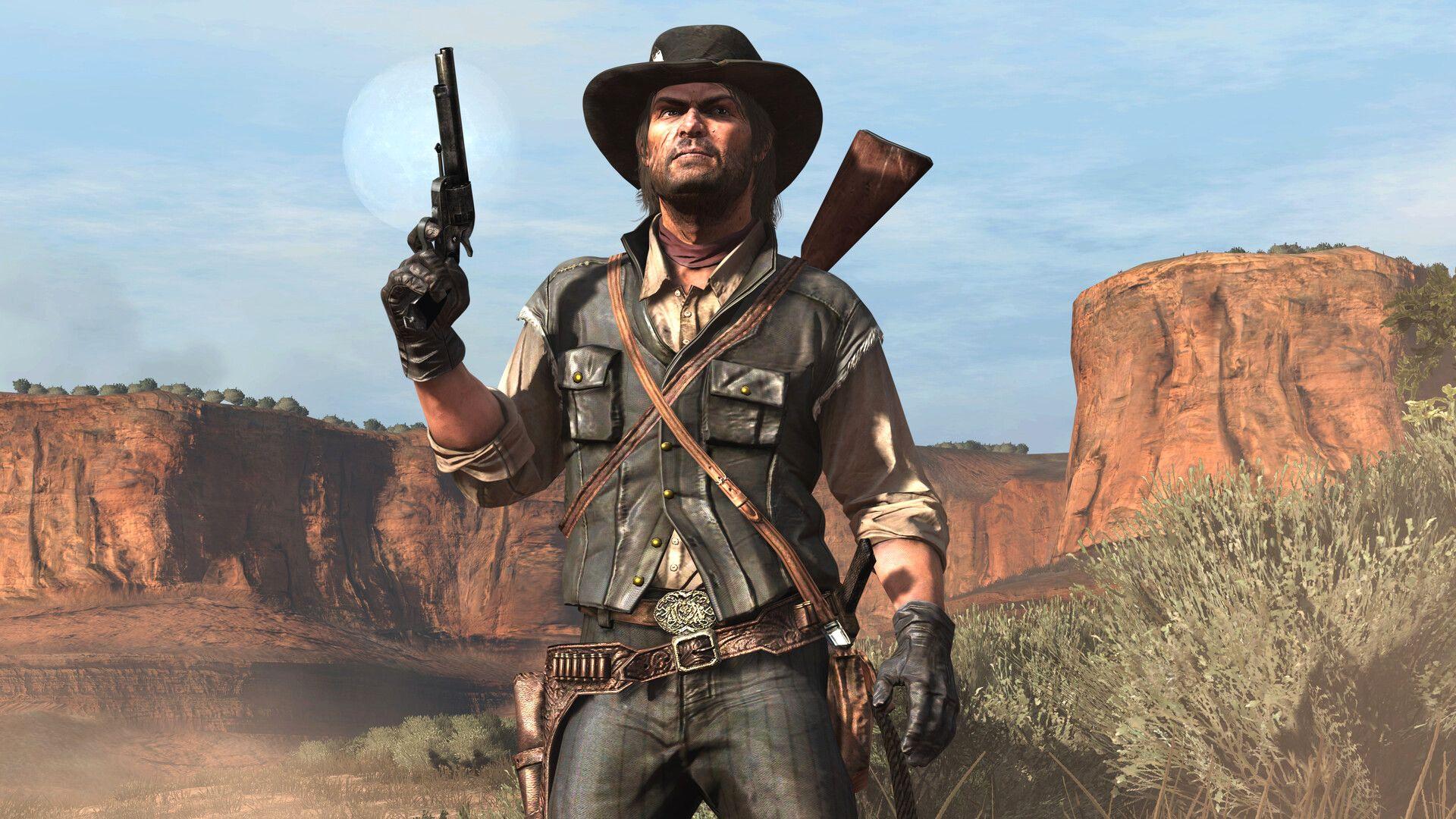
Rockstar Games co-founder Dan Houser has revealed that two of the studio's most beloved non-GTA titles, Red Dead Redemption and Bully, faced existential threats during their development cycles. Speaking to IGN, Houser noted that original properties always encounter a steeper path to completion compared to established sequels. He emphasized that these projects survived due to a combination of fortunate timing and the team's ability to find a cohesive vision when the pieces finally fit together, rather than smooth, linear progress.
According to GamesRadar, Houser described specific moments where both franchises nearly collapsed under the weight of their own ambition. He explained that struggling new franchises often require a sudden breakthrough or a particularly strong build to turn things around. While it is understandable for fans to feel disappointment when such projects fail, Houser argued that the successful completion of these difficult titles is actually more impressive, given the inherent instability of creating something entirely new within the AAA space.
The development of the 2010 western epic was particularly turbulent, with Houser recalling "a lot of difficult periods" that the team had to navigate. He credited the core group of developers for maintaining their focus and systematically solving the complex problems inherent in building an open-world cowboy game. At the time, the team was essentially reverse-engineering what made the concept interesting, working through "holes" in the design that only became obvious in hindsight, a process that required immense perseverance to resolve.
This reflection on past near-misses arrives at a critical juncture for the developer, as the industry remains locked in a decade-long wait for the next mainline entry in the flagship series. The upcoming title is expected to launch on PlayStation 5 and Xbox Series X|S in 2026, marking the first new Grand Theft Auto installment since 2013. Players anticipate a return to a reimagined Vice City set within the fictional state of Leonida, starring a new pair of protagonists, Jason and Lucia, who will drive the narrative in a world that has shifted significantly since the last major release.There is a compelling argument to be made that Houser’s comments serve as a necessary reality check for the current anticipation surrounding GTA 6. Unlike the original Red Dead Redemption, which was a risky spin-off, the sixth entry in the Grand Theft Auto saga is the undisputed flagship, carrying the commercial weight of an entire publisher. The fact that even Rockstar's most confident original projects nearly failed suggests that the pressure on the current team is not merely about meeting deadlines, but about sustaining a coherent creative vision over a multi-year period without the safety net of an established formula. This highlights the precarious nature of modern AAA development, where success is often a result of resilience rather than guaranteed outcome.
For Take-Two Interactive, the stakes have never been higher, as the company's public valuation is inextricably linked to the performance of this single title. The studio's ability to navigate the "difficult periods" Houser described will likely determine whether the game becomes another cultural phenomenon or a cautionary tale about overextension. As we watch the slow drip of new trailers and information, it is worth remembering that the polished final product we eventually play represents the survival of a project that may have faced its own share of internal crises.