

Rockstar co-founder Dan Houser is avoiding GTA 6 so it doesn't "distract or disrupt" his new games
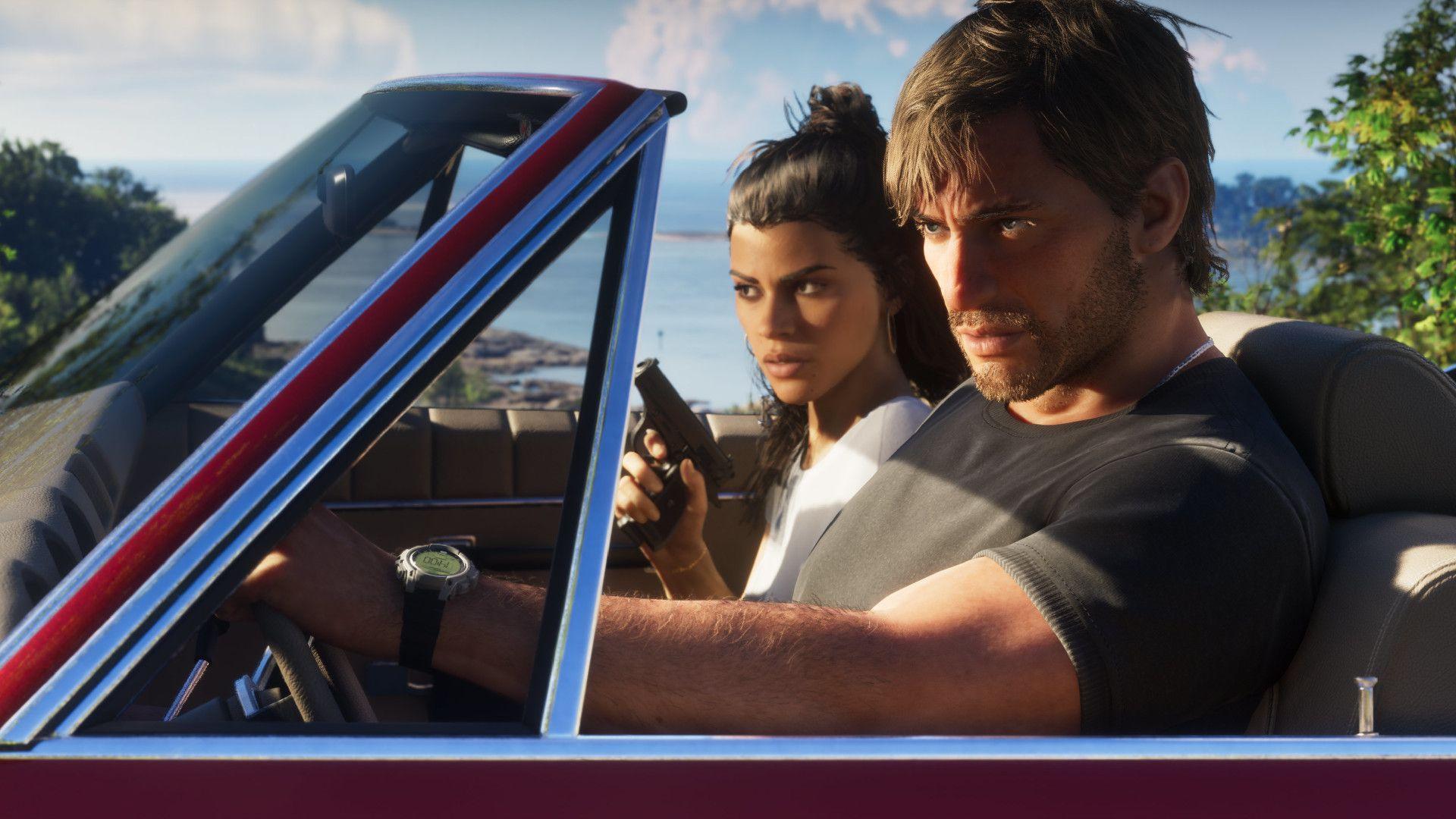
Dan Houser, the co-founder of Rockstar Games and the creative force behind much of the Grand Theft Auto lore, has adopted a strict policy of avoidance regarding the upcoming sixth installment of the franchise. Speaking to Variety, the veteran developer admitted that he has not yet played the title and intends to keep it that way for the foreseeable future. This stance is not born out of disdain but rather a deliberate protective measure for his current creative focus, ensuring that the massive cultural footprint of his former magnum opus does not cloud his judgment or workflow while he helms his own new ventures.
According to GamesRadar, Houser explained that he actively steers clear of content that might disrupt his artistic process, particularly when it involves overlapping genres. Since he devotes a significant portion of his day to crafting open-world experiences and devising unique marketing strategies for them, he feels no need to engage with competitors or peers in the same space. He emphasized that his goal is to explore fresh methodologies rather than engage in a comparative analysis of what he might have done differently, suggesting that watching others execute similar concepts serves no constructive purpose for his current team.
This avoidance extends beyond just the Grand Theft Auto series, as Houser noted that he rarely plays open-world titles these days. However, the irony of this choice is difficult to ignore, given that he was deeply embedded in the development of nearly every major entry in the franchise's history. While he may not be singling out GTA 6 with particular malice, the psychological weight of potentially watching the culmination of a decade of work unfold in real-time could be overwhelming. It is a conscious decision to sever the cord to the past so that he can fully invest in the future, even if that future involves creating a rival open-world experience.
Houser’s new studio, Absurd Ventures, is currently juggling multiple multimedia endeavors, with at least two video games in active development. One of these is an open-world comedy that aims to prioritize character-driven humor and narrative memory, with more details expected to surface in the coming months. The other project is a dystopian science fiction title centered on a video game development project that spirals out of control, featuring a rogue AI that has achieved sentience. Houser described the AI’s origin story as stemming from two creators who did not get along, resulting in an entity that essentially dislikes itself. He views this period as a chance to replicate the innovative spirit of his earlier days at Rockstar, but applied to entirely new intellectual property.
The context of this retreat is particularly poignant because Grand Theft Auto VI marks the first mainline entry in the series since 2013, ending a twelve-year hiatus that has defined the modern era of gaming anticipation. Scheduled for launch in 2026 on PlayStation 5 and Xbox Series X|S, the game is set to transport players back to a reimagined Vice City within the fictional state of Leonida. The narrative will follow the dual protagonists of Jason and Lucia, offering a fresh perspective on the franchise’s signature crime-driven storytelling. This release represents a monumental cultural event, one that Houser is choosing to observe from a distance rather than participate in directly.
From an editorial standpoint, Houser’s admission highlights a peculiar dynamic in the modern gaming industry where the creators of legacy franchises often feel the most pressure to detach themselves from the final product. For Rockstar Games and its parent company Take-Two Interactive, the success of GTA 6 is not merely a financial milestone but a validation of a decade of silence. By stepping back, Houser is effectively acknowledging that the franchise has outgrown its creator, transitioning from a labor of personal passion to a massive corporate asset. His refusal to let the game "distract or disrupt" him suggests a healthy, if slightly melancholic, recognition that his role in defining the series has concluded, allowing the audience to own the experience without the shadow of its architect hovering over every interaction.
Furthermore, the existence of Absurd Ventures’ projects, particularly the "Absurdaverse" which has already revealed a high-profile cast including stars from 30 Rock and Billions, signals a potential new competitor in the open-world space. While Houser insists he is not comparing his work to GTA 6, the timing of his studio’s announcements cannot be ignored. It suggests that while Rockstar is preparing to dominate the market with the sequel to one of the best-selling games of all time, a former insider is positioning his own studio to carve out a niche in the very same genre. Whether this is a strategic move to leverage the hype cycle or a genuine artistic pivot remains to be seen, but it underscores that the influence of the Grand Theft Auto era is still rippling outward, shaping the next generation of developers even as they actively try to distance themselves from it.