

Two Cool, Hidden Features GTA 6 Doesnt Explain: Flipping And Sitting
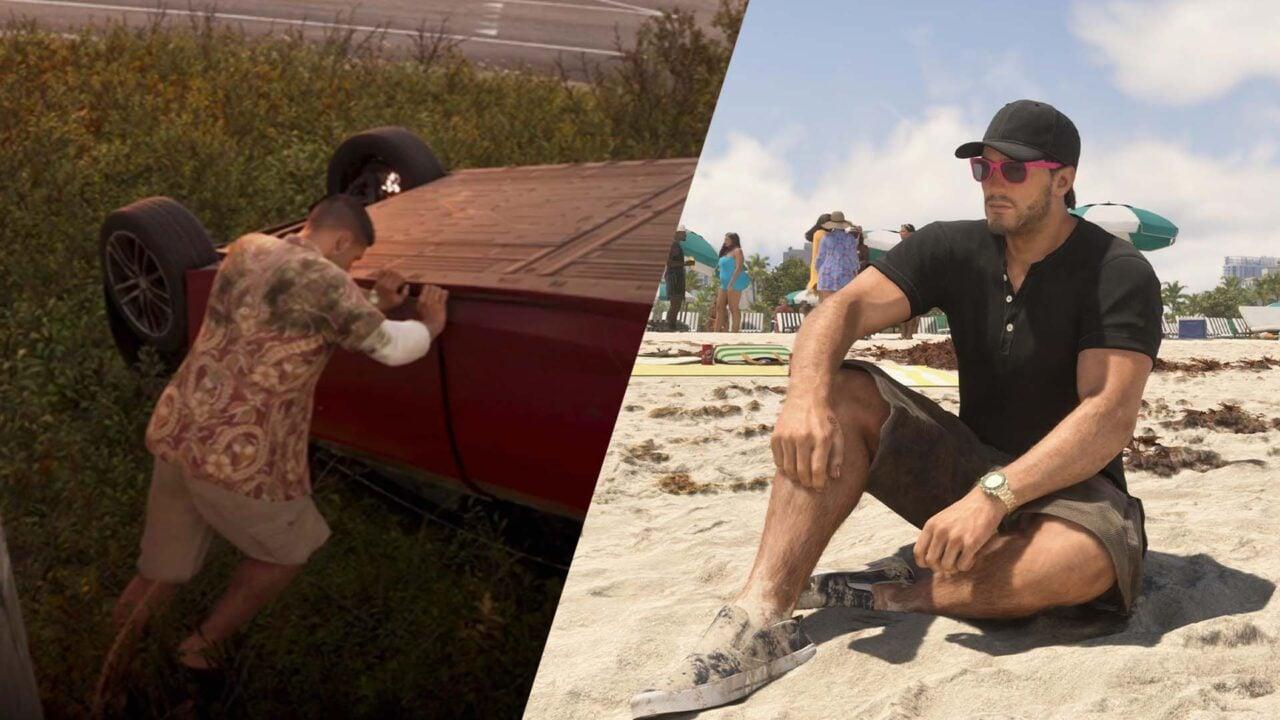
As players continue to comb through every corner of Grand Theft Auto VI, subtle mechanics buried deep beneath the game's expansive control layout are beginning to surface. Among these unadvertised systems are two surprisingly practical interactions that the title never overtly teaches: an organic method for righting inverted vehicles by hand, and a universal resting mechanic that lets characters recline across the environment, according to reporting from Kotaku. Discovered largely by chance after over 140 hours of playtime, these undocumented abilities illustrate how much fine-grained interactivity Rockstar quietly packed into the sandbox without cluttering the screen with mandatory tutorial prompts.
Vehicle recovery in particular represents a noticeable departure from previous franchise conventions. Where classic installments condemned upside-down cars to fiery detonations and Grand Theft Auto V relied on an unconvincing stick-rocking physics trick, the new system demands physical exertion from protagonists Jason and Lucia. Kotaku notes that by pressing the left thumbstick while standing flush against an overturned chassis, players initiate a pushing stance; holding Square on PlayStation or X on Xbox then commands the character to heave the vehicle back onto its tires. The maneuver is governed by physical constraints—it can fail on steep slopes, collapse under depleted stamina, or prove impossible against excessively heavy machinery. Beyond saving a getaway ride when an active police pursuit disables the paid recovery services of the in-game Scooter Bros app, the exact same input allows players to muscle stranded cars into traffic or shove beached watercraft back into coastal shallows.
The second quiet addition focuses entirely on downtime and environmental immersion. By maintaining a hold on the crouch button—Circle on PlayStation or B on Xbox—while stationary on foot, players can prompt their character to pause and take in their surroundings. The resulting animation shifts depending on nearby geometry: Jason and Lucia will lounge directly on grassy turf or sandy shores, casually lean against vertical structures, or simply rest their weight onto one foot if no backdrop is available. It is an unguided, subtle mechanic, yet it grants players an organic method to witness the ambient life of the metropolis without continuously sprinting or brandishing weaponry.
From an editorial standpoint, these tactile, under-the-hood features offer crucial insight into Rockstar Games' evolving creative philosophy following the decade-long gap since Grand Theft Auto V. For years, critics and enthusiasts wondered whether the studio would double down on accessible, arcade-oriented chaos or lean further into the deliberate, simulation-heavy pacing perfected in Red Dead Redemption 2. Incorporating grounded physical labor to rescue a stranded chassis—rather than relying on an invisible hand or an instant menu respawn—demonstrates that Rockstar is eager to ground player actions within tangible world logic. For Take-Two and its flagship studio, this measured design language proves that technical progress is measured not merely in map acreage, but in how convincingly the environment resists and accommodates human effort.
These discoveries arrive as anticipation continues to define the discourse surrounding Grand Theft Auto VI ahead of its planned 2026 launch on PlayStation 5 and Xbox Series X|S. Marking the first mainline installment in the franchise since 2013, the project transports audiences back to a sprawling, modern reimagining of Vice City and the broader territories comprising the state of Leonida. Anchoring the journey around the dual dynamic of Jason and Lucia, Rockstar has spent more than a decade engineering an ecosystem intended to establish a new technical standard for the medium, where minute player decisions ripple through a remarkably dense civilian backdrop.
Ultimately, leaving these capabilities absent from mandatory onboarding sequences feels like an intentional nod toward organic player discovery rather than an oversight. In an era where modern blockbuster releases frequently overwhelm the user experience with exhaustive tutorials and rigid checklist indicators, letting players stumble upon physical vehicle pushes or a quiet moment on a Vice City shoreline rewards curiosity. It suggests that across Leonida, mastering the game involves learning its physical vocabulary through direct experimentation rather than reading on-screen popups.