

We Tested How Long It Takes To Run Out Of Gas In GTA 6
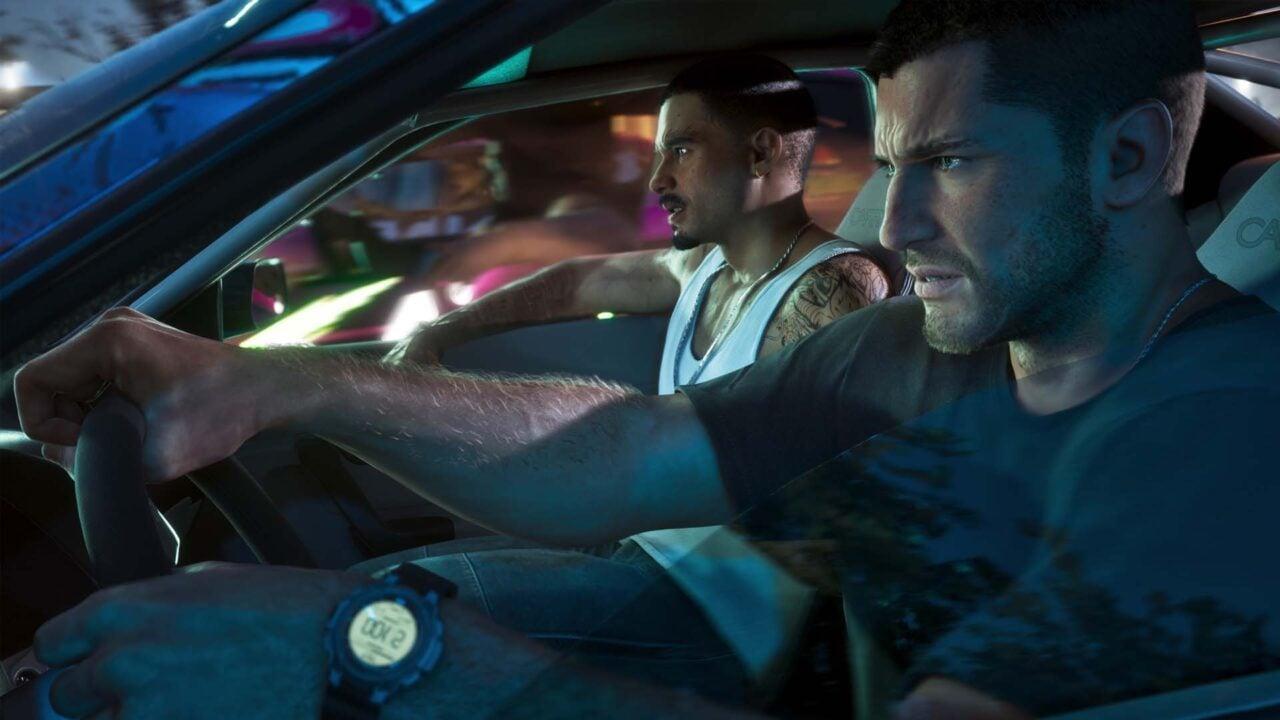
Long-rumored simulation mechanics have officially reached the streets of the Grand Theft Auto series, with vehicle fuel management emerging as one of the most notable design shifts for the franchise. According to reporting from Kotaku, cruising the highways of Leonida now demands that drivers monitor their resource gauges rather than treating every stolen ride as an endless sprint. Through controlled testing along a highway loop situated around southern Vice City, the outlet measured the endurance of several distinct engine platforms to establish how long standard tanks and batteries actually endure during steady transit.
The resulting data shows that these limitations are structured to respect the geography of the world rather than stifle it. While trekking across the entire map on foot requires roughly an hour and a half, driving the length of Leonida via high-speed highways takes under 15 minutes. Kotaku found that a standard older pickup truck ran for 29 minutes and 8 seconds before exhausting its fuel, providing sufficient range to cross the map nearly twice over. Meanwhile, an agile Banshee sports car burned through its reserves in 18 minutes and 31 seconds, and an electric commuter car patterned after a Tesla Model 3 survived 20 minutes and 23 seconds on a full charge.
In practice, the system behaves less like an intrusive survival tax and more like an unpredictable modifier during high-pressure scenarios. Over the course of more than 130 hours of playtime, Kotaku logged only two instances of naturally draining a vehicle to zero, both occurring during intense police evasions behind the wheels of pre-owned, partially depleted cars. The user interface flags vehicles at the midway mark and low-fuel states while identifying nearby filling stations on the radar. Furthermore, players managing their own personal garages can bypass breakdowns via the in-game Scooter Bros app, summoning replacement rides that arrive with replenished reserves.
These mechanical nuances arrive as the broader community counts down the days until the game's projected 2026 arrival on PlayStation 5 and Xbox Series X|S. As the first numbered, mainline installment since the historic debut of Grand Theft Auto V back in 2013, the release marks a generational leap forward. Centered on the dual-protagonist dynamic of Jason and Lucia, the narrative transports audiences back to a heavily modernized interpretation of Vice City alongside the surrounding wetlands, suburbs, and coastal highways that compose the expansive state of Leonida.
From an editorial perspective, calibrating fuel consumption this generously demonstrates that Rockstar Games learned the right lessons from the uncompromising realism of Red Dead Redemption 2. When rumors of gas meters first surfaced, the immediate concern among long-time fans was that the franchise's trademark momentum would be bogged down by tedious administrative chores. Instead, setting burn rates between 18 and 29 minutes injects welcome tension into unplanned getaways without penalizing players who simply want to navigate between missions. For Rockstar and parent company Take-Two Interactive, striking this equilibrium between authentic world-building and accessible action is vital to sustaining player engagement across what will inevitably be another decade-long lifecycle.