

Why Rockstar Games Includes Bigfoot And UFOs To Find In Its Big Open-World Games: We Love That Stuff
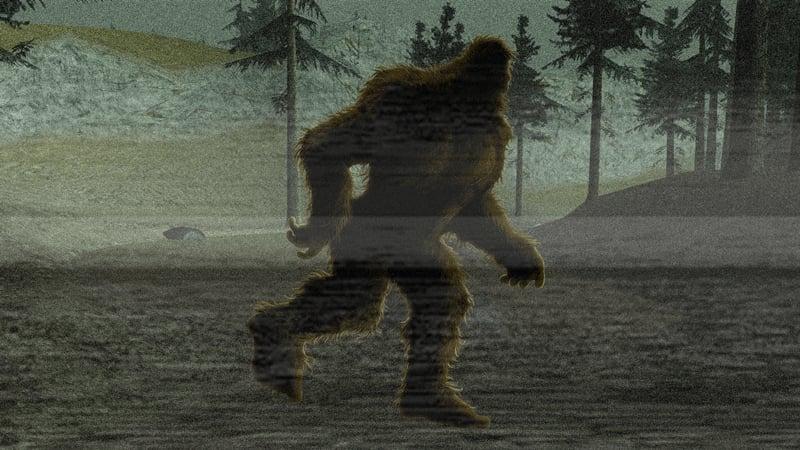
For decades, urban legends and mythical sightings have captivated players exploring Rockstar Games' massive sandboxes, but Grand Theft Auto VI is taking that community tradition to an entirely new level. Speaking in an interview with Kotaku, Rockstar North head of production Rob Nelson pulled back the curtain on why the studio deliberately scatters bizarre anomalies, cryptids, and unexplained occurrences throughout its worlds. From the elusive Skunk Ape haunting the wetlands of Leonida to earlier studio oddities, these inclusions are far more than throwaway gags; they stem from an intentional creative mandate driven by developers who genuinely enjoy mystifying their audience.
According to Kotaku, Nelson explained that Rockstar's expanding studio infrastructure now permits specialized internal groups to focus exclusively on bespoke environmental secrets that past production schedules could never accommodate. Rather than stretching senior developers thin across mainline content, dedicated teams can craft eccentric micro-details similar to the ghost atop Mount Gordo in Grand Theft Auto V or the nocturnal predator in Saint Denis from Red Dead Redemption 2. Just as crucial is the eccentric real-world backdrop that inspired the game. "Also, the fact that Florida is so fucking weird and crazy, we love that stuff," Nelson noted, emphasizing the joy of keeping the community guessing. "You never know whether its real paranormal stuff or its phony paranormal stuff. Is it really Bigfoot? Is it a guy wearing a Bigfoot mask ? We just love it."
That design philosophy plays an equally functional role in pacing the map. With vast wilderness areas separating built-up metropolitan sectors, Nelson highlighted the importance of ensuring that rural zones reward deep exploration just as heavily as high-density streets. The goal, as Nelson explained, is to establish an environment where players "[always] want it to feel like theres something weird out there," adding, "And hopefully in GTA 6 there will be stuff for people to be finding for a long time to come." By treating unsettled terrain as fertile ground for folklore rather than empty real estate, the studio ensures that aimless wandering can yield genuine, unsettling surprises.
This deliberate focus on world-building arrives as fans brace for the franchise's biggest leap forward in over a decade. Representing the first numbered installment in the series since Grand Theft Auto V arrived in 2013, Grand Theft Auto VI is slated for release on PlayStation 5 and Xbox Series X|S. The game returns players to a modernized, sprawling recreation of Vice City nestled within the broader state of Leonida, tracking the criminal exploits of protagonists Jason and Lucia. Translating the series to contemporary hardware requires more than visual polish; it demands an ecosystem dynamic enough to make every swamp, backroad, and highway exit feel alive.
From an editorial perspective, Nelson's remarks underscore why Rockstar continues to justify the astronomical investments poured into its projects by parent company Take-Two Interactive. Across the modern gaming landscape, open-world design has largely devolved into sterile checklists, automated icon clearing, and procedural generation that quickly strips away any sense of organic discovery. Rockstar's insistence on assigning dedicated personnel to craft rare, narrative-free anomalies preserves the friction and curiosity that made gaming folklore thrive in the pre-social-media era. If Take-Two intends for Grand Theft Auto VI to sustain a ten-year cultural footprint, these cryptic backwater oddities are not mere vanity features—they are the exact secret sauce that transforms a digital map into a living, breathing mythos.