

With GTA 6, Rockstar couldn't "just trot out something" fans would already expect
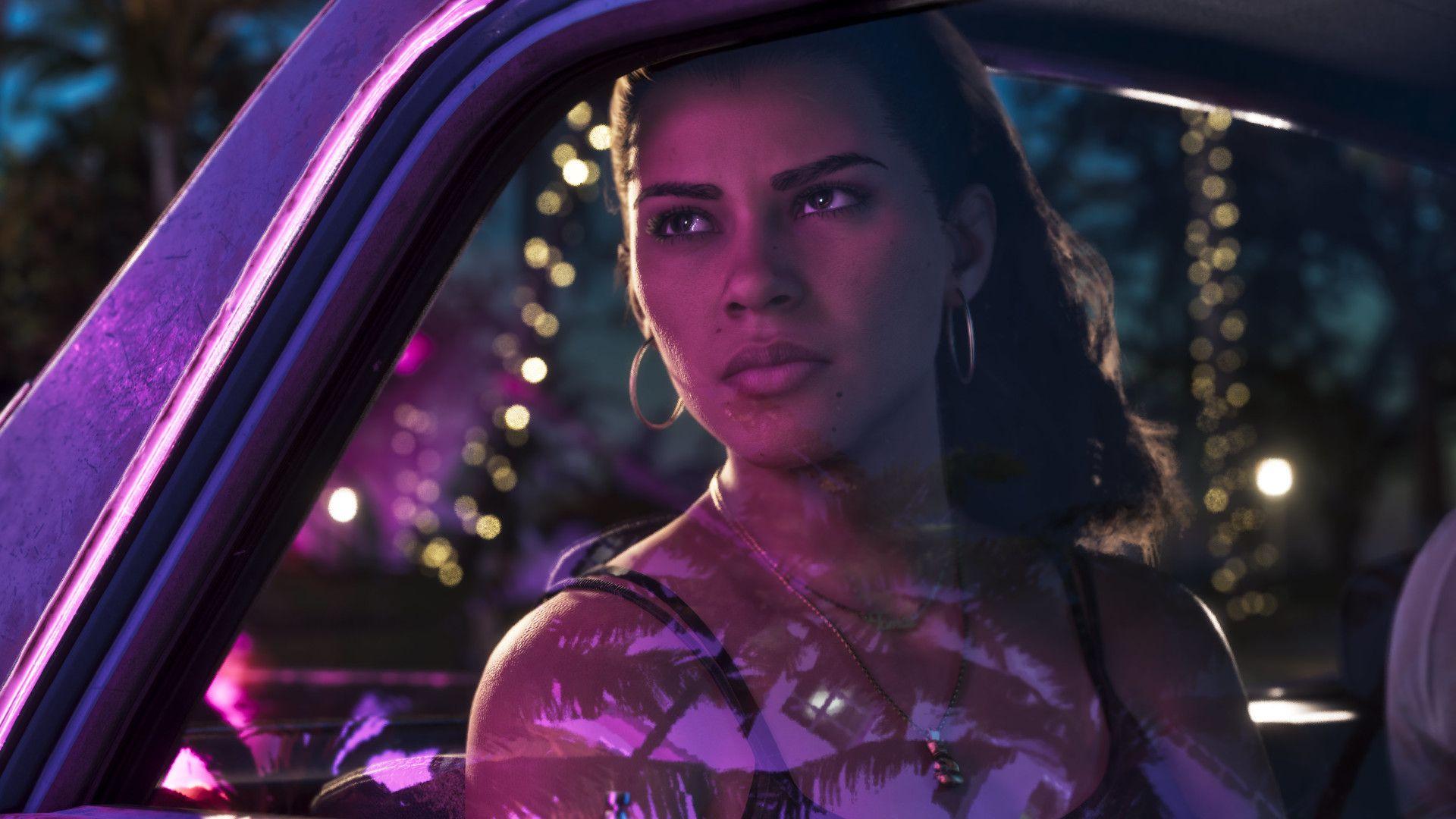
Rockstar Games has acknowledged the immense pressure surrounding the development of their next flagship title, admitting that meeting baseline audience anticipation was never their primary objective. According to an exclusive interview with Edge Magazine, Aaron Garbut, a veteran art director and key figure in the project's creation, stated that the team refused to settle for a safe, predictable entry. He emphasized that the studio aimed to exceed rather than merely satisfy the high standards established by their previous successes, noting that they could not simply deliver a product that felt like the path of least resistance for the brand.
Garbut described the team's refusal to cut corners on fundamental gameplay elements, asserting that there were no compromises regarding the world's scale, its intricate details, the level of interactivity, or the narrative depth. To illustrate the sheer magnitude of the undertaking, he employed a striking comparison, telling Edge, "I feel like we've built a pyramid on Everest." This statement underscores a deliberate strategy to push the boundaries of open-world design, ensuring that the game stands as a singular achievement rather than a routine iteration of a familiar formula.
This level of ambition is reflected in the technical and creative anomalies reported from the development floor. The game features a sophisticated physiological system where the protagonists, Jason and Lucia, will physically sweat in response to the intensity of their dancing, a detail that highlights the studio's obsession with realism. Furthermore, Rockstar has reportedly implemented approximately 600,000 unique animations and assembled a dedicated writing team focused exclusively on the dialogue of background non-player characters. These specifics suggest a world where no two moments are identical and where even the periphery of the map is treated with the same rigor as the main storyline.
Contextually, this release marks a pivotal moment for the franchise, which has been in the "coming soon" phase for over a decade since the premise of GTA 6 was first hinted at. As the first major entry in the series since Grand Theft Auto V launched in 2013, it is scheduled to arrive on November 19 for PlayStation 5 and Xbox Series X|S. The game returns to a reimagined Vice City, set within the fictional state of Leonida, offering a fresh take on the tropical crime setting that has become synonymous with modern Rockstar identity while evolving the core mechanics to suit current-generation hardware and player expectations.
From an editorial standpoint, this transparency from Rockstar is significant because it signals a departure from the studio's historical opacity. By openly discussing the internal mandate to avoid mediocrity, Garbut’s comments serve as both a warning and a promise to the consumer base. It suggests that Take-Two and Rockstar are aware that the decade-long wait has inflated expectations to a point where a standard release would be perceived as a disappointment. The argument here is that the game’s value proposition relies entirely on this "extra mile" execution; if the promised density of content and systemic depth does not materialize, the criticism will be far more severe than if the game had been marketed as a modest sequel. The pressure to justify the reported budget and the long development cycle means that the final product must be undeniably distinct from its predecessors.
The scale of this project is so vast that Rockstar admits no single individual within the studio possesses comprehensive knowledge of every aspect of the game. This fragmentation of expertise across hundreds of developers is a testament to the complexity of the world being built. It indicates a level of interconnected systems that goes beyond simple map expansion, creating a web of interactions that players are unlikely to fully grasp even after hundreds of hours. This complexity is likely the primary driver behind the reported need to "go above and beyond," as a simpler structure would not have required such a dispersed and specialized workforce to manage.
Ultimately, the focus on minute details, such as the NPC writing team and the sweat mechanics, suggests that Rockstar is betting on player immersion through environmental storytelling and reactive simulation. In a market saturated with massive open worlds, differentiating a title through sheer volume of content is difficult, but differentiating it through the quality of life in that world is a stronger competitive advantage. If the game delivers on the promise of a truly alive Leonida, it will not just be the biggest launch in history, but a new benchmark for what a post-streaming era game can achieve in terms of systemic depth and artistic commitment.