

Yes, You Can Keep Playing GTA 6 After The Credits Roll And Dont Worry, Thats Not A Spoiler
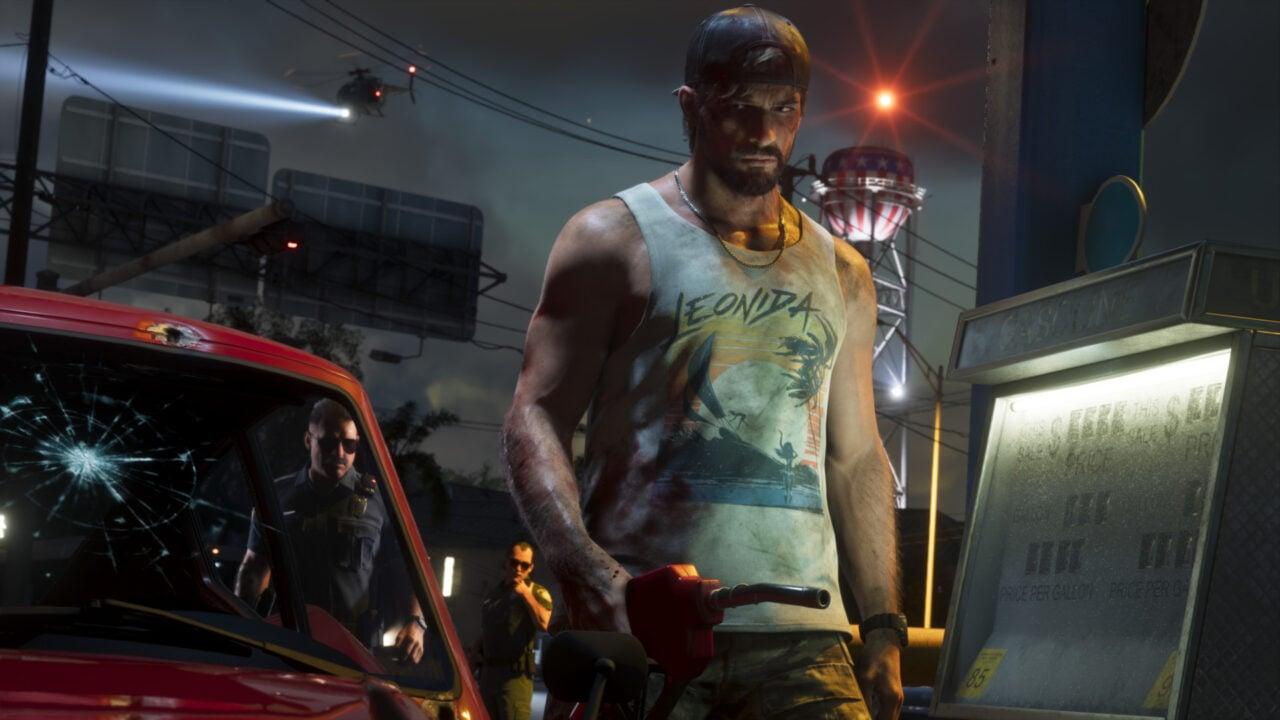
One of the quiet anxieties surrounding any massive open-world campaign is whether the final mission will shut the door on unfinished side content or alter the sandbox beyond recognition. In the case of Rockstar Games' next flagship title, players will not have to worry about clearing their map before triggering the climax. According to reporting from Kotaku, the studio has implemented a distinct endgame framework that ensures players retain complete access to the map after the credits roll, allowing them to freely wrap up lingering tasks and explore the world at their own leisure.
Unlike previous Rockstar epilogues—such as the character switch seen at the conclusion of Red Dead Redemption 2 or the seamless continuation featuring Niko Bellic in Grand Theft Auto IV—the new title takes a different structural route. Kotaku notes that reaching the expansive, multi-stage climax takes roughly 90 hours, at which juncture the campaign serves players a definitive prompt asking whether they are prepared to initiate the finale. Following the completion of that mission chain and the subsequent credit sequence, the game transports players right back to that pivotal decision threshold. In this reset state, dual protagonists Jason and Lucia decide to hold off on the finale, stepping back out into the open world while leaving the finale marker pinned to the map so players can replay the conclusion and experiment with divergent narrative outcomes.
This design choice allows the developers to craft branching, high-stakes final acts without permanently breaking the environment or stranding players without access to the dual leads. Once the campaign is officially finished, the framework grants the ability to pursue a full 100 percent completion rating. Furthermore, post-campaign play introduces dedicated challenges that award functional in-game cheat codes, rewarding dedicated completionists with classic sandbox tools. The solitary concession to this setup is narrative stagnation; because the post-story state exists just prior to the final showdown, the world remains chronologically suspended rather than accommodating new post-story narrative arcs.
This structural balance between deep storytelling and freeform exploration arrives under intense scrutiny, as the broader gaming community anticipates the title's planned 2026 arrival on PlayStation 5 and Xbox Series X|S. As the first numbered, mainline installment since Grand Theft Auto V debuted back in 2013, the project bears unprecedented expectations. Central to that anticipation is the long-awaited return to an expanded, modern reimagining of Vice City set across the broader state of Leonida, paired with a campaign centered around the criminal partnership between Jason and Lucia.
From an editorial standpoint, Rockstar's decision to embrace a pre-finale reset is a pragmatic concession that reveals much about where modern game design stands after more than a decade of anticipation. For Take-Two Interactive and Rockstar, Grand Theft Auto VI is not just an interactive story, but a platform meant to retain player attention for years. Historically, linear open-world narratives struggled to support multiple dramatic endings without either killing off protagonists or radically altering the world state in ways that disrupted casual play. By choosing a rewind mechanic reminiscent of modern action-RPGs, the studio grants its writing team the creative freedom to deliver catastrophic, divergent story resolutions without alienating players who spent a hundred hours investing in Jason and Lucia's shared progression. It strikes an intelligent compromise: narrative gravitas during the cinematic climax, paired with uncompromised sandbox freedom once the dust settles.