
Ahead of GTA 6, Rockstar releases modding guidelines that axe new missions, maps, ports, and more: "Respect our games"
Rockstar Games has officially published a new set of community guidelines for user-generated content, introducing a framework that significantly curtails the scope of permissible modifications for its existing titles. According to GamesRadar, these rules were released just weeks before the anticipated debut of the franchise's next installment, signaling a hardening of the publisher's stance on intellectual property. The document outlines specific prohibitions designed to protect the integrity of Rockstar's narrative universe, effectively drawing a sharp line between creative expression and corporate ownership in a way that has already sparked considerable debate within the fan community.
The core of the new policy centers on the preservation of Rockstar's established continuity, with the company asserting its right to limit how third parties utilize its characters, plots, and world-building elements. The guidelines explicitly forbid players from expanding or altering official storylines, missions, or character arcs, a restriction that directly impacts the vast ecosystem of role-playing servers and narrative mods that have flourished under previous, more lenient rules. Furthermore, the publisher has banned the cross-pollination of assets, prohibiting mods that merge maps, characters, or story elements from one Rockstar title into another, a move that effectively kills off popular crossover projects like the recent Red Dead Redemption 2 modifications that integrated elements from earlier games.
Perhaps most controversially, the new terms strictly prohibit the porting of Rockstar titles to hardware or platforms where they have not been officially released by the company. This clause eliminates a primary avenue for PC enthusiasts who have long sought to play console-exclusive experiences on their personal machines, reinforcing Rockstar's control over distribution channels. The company justifies these measures as necessary to maintain a fun and welcoming environment for creators, framing the restrictions as a protective measure for the brand rather than an attempt to stifle community engagement, though many observers view this as a fundamental shift in the publisher's relationship with its modding base.
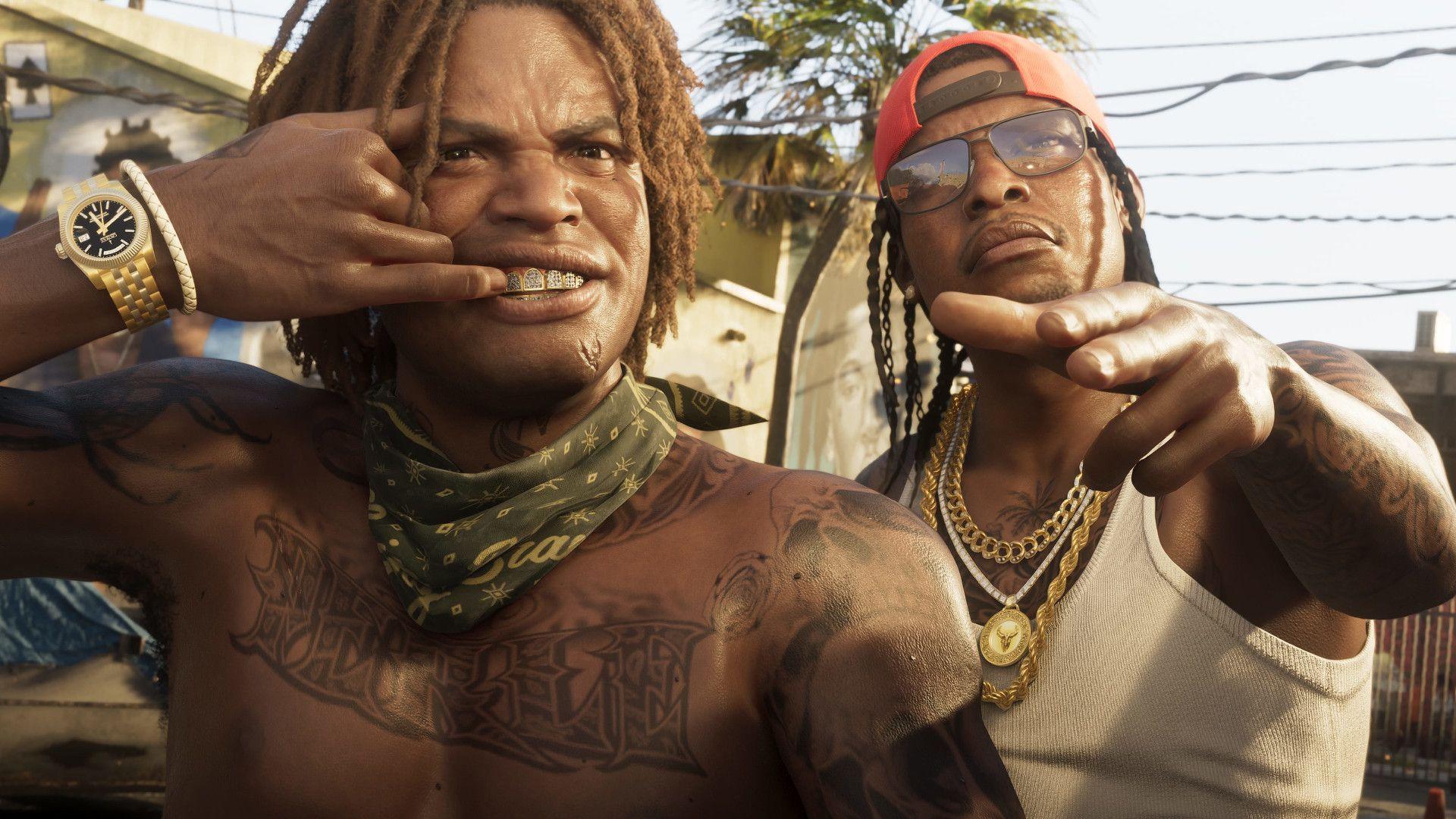
This regulatory tightening arrives at a critical juncture for the franchise, as Grand Theft Auto VI prepares to return to a reimagined Vice City and the fictional state of Leonida in 2026. The upcoming title, set to launch on PlayStation 5 and Xbox Series X|S, marks the first mainline entry in the series since 2013 and features the dynamic duo of Jason and Lucia as its protagonists. With the community already anticipating a potential PC release later in the cycle, these new guidelines suggest that Rockstar intends to maintain a tightly controlled ecosystem for GTA 6, likely limiting the types of user-generated content that will be tolerated or supported on the new platform once it becomes available.
It is difficult to overlook the irony in this move, given that Rockstar acquired FiveM, the dominant multiplayer modding framework for Grand Theft Auto V, just a few years ago. That acquisition, which brought a ecosystem that briefly peaked at over 200,000 concurrent players on Steam, was widely interpreted as a sign of Rockstar’s willingness to embrace and monetize the modding community. By now imposing such restrictive boundaries, the company appears to be re-evaluating that strategy, perhaps prioritizing brand consistency over the chaotic creativity that often defines the modding scene. The message sent to the community is clear: while the company values the existence of mods, it will not tolerate deviations from its canonical narrative or expansion into unlicensed territory.
From an industry perspective, this strategic pivot reflects a broader trend among major publishers to reclaim creative control as their franchises grow in cultural significance. For Take-Two Interactive, whose revenue is heavily tied to the long-tail success of Grand Theft Auto, protecting the brand's narrative coherence is likely seen as a financial imperative rather than just a creative one. The decade-long wait for a new mainline title has amplified the public's attachment to the series, making any perceived alteration to its core identity a sensitive topic. By codifying these limits before GTA 6's launch, Rockstar is attempting to preemptively manage expectations and minimize the risk of community backlash that could overshadow the game's release. It is a calculated risk that trades short-term community goodwill for long-term brand protection, a decision that will undoubtedly be scrutinized as the game approaches its holiday window.