

El líder de GTA 6 finalmente explicó la elección de la canción del tráiler 1
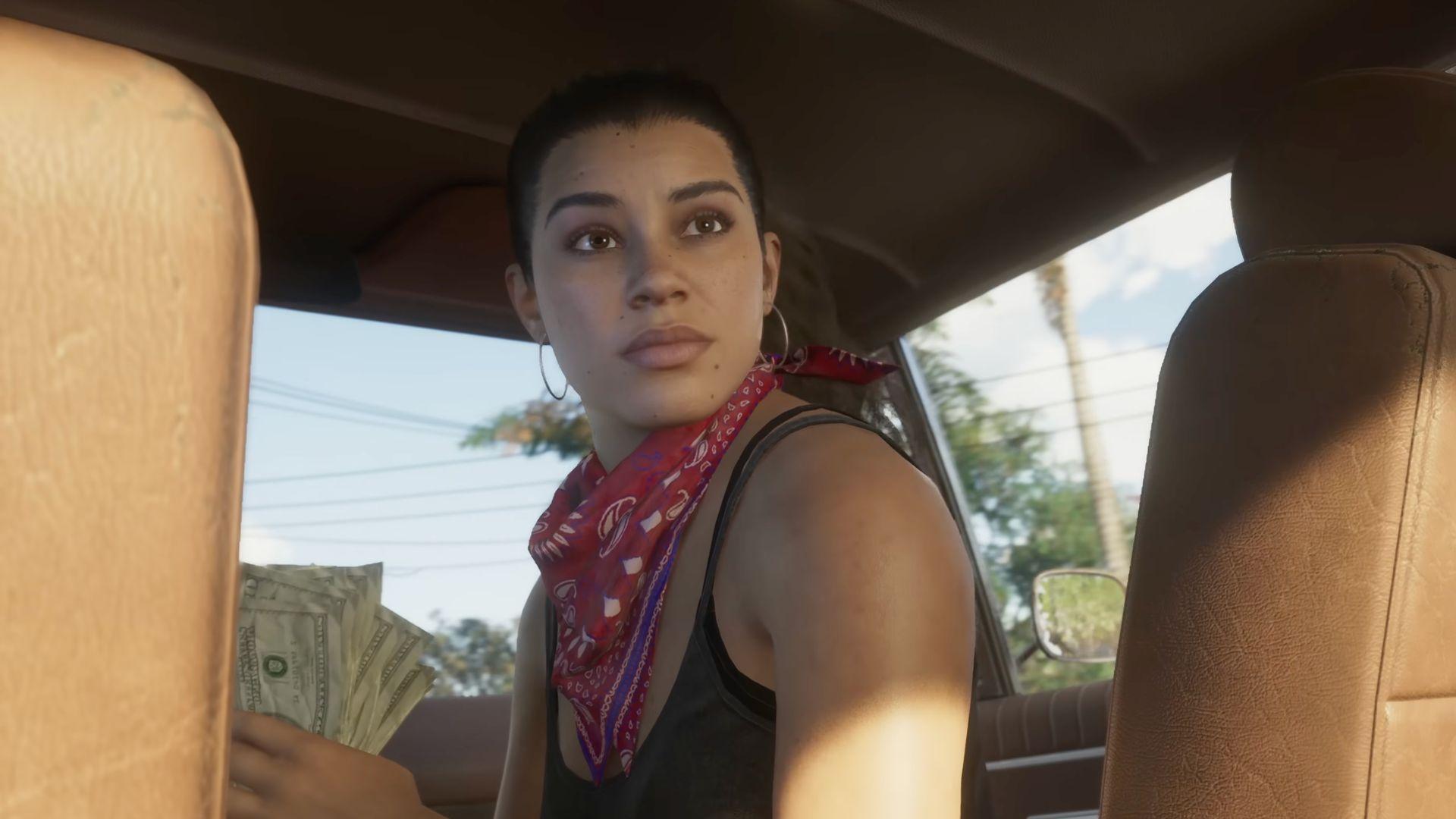
Rockstar Games co-studio head Rob Nelson has finally clarified the specific rationale behind selecting Tom Petty’s "Love Is a Long Road" for the initial reveal of Grand Theft Auto VI. According to reporting by TheGamer, the track was not merely a stylistic nod to the romantic dynamic between the game's protagonists, Jason and Lucia, but rather a more literal commentary on the development timeline. This explanation arrives just as the community is still processing the extensive new footage released last week, which has significantly lowered the barrier between speculation and concrete reality for the highly anticipated title.
The decision to pair the 2013 reveal with that particular song now carries a different weight in hindsight. While fans initially interpreted the lyrics as a narrative device to underscore the bond between the two leads, Nelson indicates the choice was a meta-commentary on the state of the project at that time. The game was far from complete, and the "long road" referenced in the title was, in part, a description of the lengthy path Rockstar still had to traverse before the software could be finished and shipped to consumers worldwide.
This context is crucial when considering the sheer duration of the wait for a new mainline entry. Grand Theft Auto V, the previous major release in the franchise, launched in 2013, meaning players have been without a new core experience from Rockstar for over a decade. The upcoming sixth installment is scheduled for a 2026 window on PlayStation 5 and Xbox Series X|S, marking a return to a reimagined Vice City setting within the fictional state of Leonida. The gap between the last release and this one is not just a matter of months or years, but a full era of gaming history that has defined the expectations for this specific project.
From an editorial standpoint, Nelson’s admission highlights the unique pressure Rockstar faces in the modern market. Unlike most studios that can iterate quickly or release content in stages, Rockstar operates with a "hit or miss" philosophy that demands perfection on a massive scale. The decade-long silence and the careful, sparse drip-feed of information suggest that the studio prioritizes a polished, singular experience over frequent updates. This strategy, while frustrating for eager fans, aligns with the studio's historical track record of delivering titles that redefine the open-world genre, even if the cost is a painfully long wait for the average consumer.
The choice of music also serves as a reminder of how Rockstar controls the narrative surrounding its intellectual property. By using a well-known track with multiple layers of meaning, the studio was able to manage expectations subtly while still generating immense cultural buzz. The fact that the song’s literal interpretation was only made clear years later demonstrates the long-term planning involved in their marketing campaigns. It suggests that every element, from the soundtrack to the character introductions, is designed to resonate on both an immediate emotional level and a retrospective analytical level, ensuring the reveal remains a topic of discussion for years to come.
As we move closer to the anticipated 2026 launch, the tangible nature of the game is becoming increasingly difficult to ignore. The recent "Extended Look" has provided enough detail to move beyond pure speculation, grounding the hype in visible assets and mechanics. However, the historical context of the first trailer reminds us that Rockstar’s timeline is often dictated by internal quality control rather than external market pressures. For Take-Two Interactive, this patience is a double-edged sword, offering the potential for a massive sales spike but also risking audience fatigue if the wait stretches beyond the projected window. The "long road" is indeed nearing its end, but the final stretch will likely be as grueling as the beginning.