

GTA 6 Reviews Plague Real-Life Nudist Resort After Fans Draw Comparisons to Leaks
Rockstar Games’ upcoming title has once again demonstrated its uncanny ability to blur the line between digital reality and the physical world, though this latest incident has taken a decidedly negative turn for a local business. According to IGN, online sleuths have successfully identified the real-world inspiration behind the in-game nudist resort, pinpointing Cypress Cove Nudist Resort in Kissimmee, Florida. While fans have long been eager to map the fictional state of Leonida to actual geographic coordinates, the identification of this specific location has triggered an unexpected wave of attention that the facility’s management did not anticipate or welcome.
The community’s reaction has been swift and, in this case, destructive rather than celebratory. Rather than sending a flood of hopeful tourists or inquiring locals, the internet’s collective curiosity has manifested as a barrage of problematic reviews on the resort’s online profiles. This phenomenon highlights a darker side of the modern fan base, where the desire to validate their discovery of a game asset leads to harassment of the real-life entity that served as its muse. The resort owners are now dealing with a sudden influx of negative feedback that has little to do with their actual services and everything to do with the cultural footprint of a video game that has not yet fully launched.
It is worth noting that linking video game environments to tangible places is a well-established tradition among dedicated players. We have seen similar patterns of behavior with other titles, such as the recent community efforts to identify locations for Arc Raiders. In those instances, the real-world subjects often benefited from the spotlight, gaining new recognition or economic interest. However, the context here is different; the subject matter involves a private, niche community that may not desire the mass exposure associated with a global blockbuster, making the unsolicited attention feel like an invasion of privacy rather than a form of promotion.
This incident serves as a significant data point for Rockstar Games and its parent company, Take-Two Interactive, as they navigate the final stretch of a development cycle that has spanned nearly a decade. The fact that fans are actively dissecting every pixel of the game’s marketing and leaked assets underscores the immense pressure resting on the studio to meet impossibly high expectations. For Take-Two, this is a reminder that the cultural reach of their franchise extends far beyond the screen, impacting real-world entities in ways that require more nuanced community management than simply posting trailers. The ability of a single location to generate such organized, albeit misguided, community action suggests that the game’s release will continue to ripple outward into the real world, for better and worse.
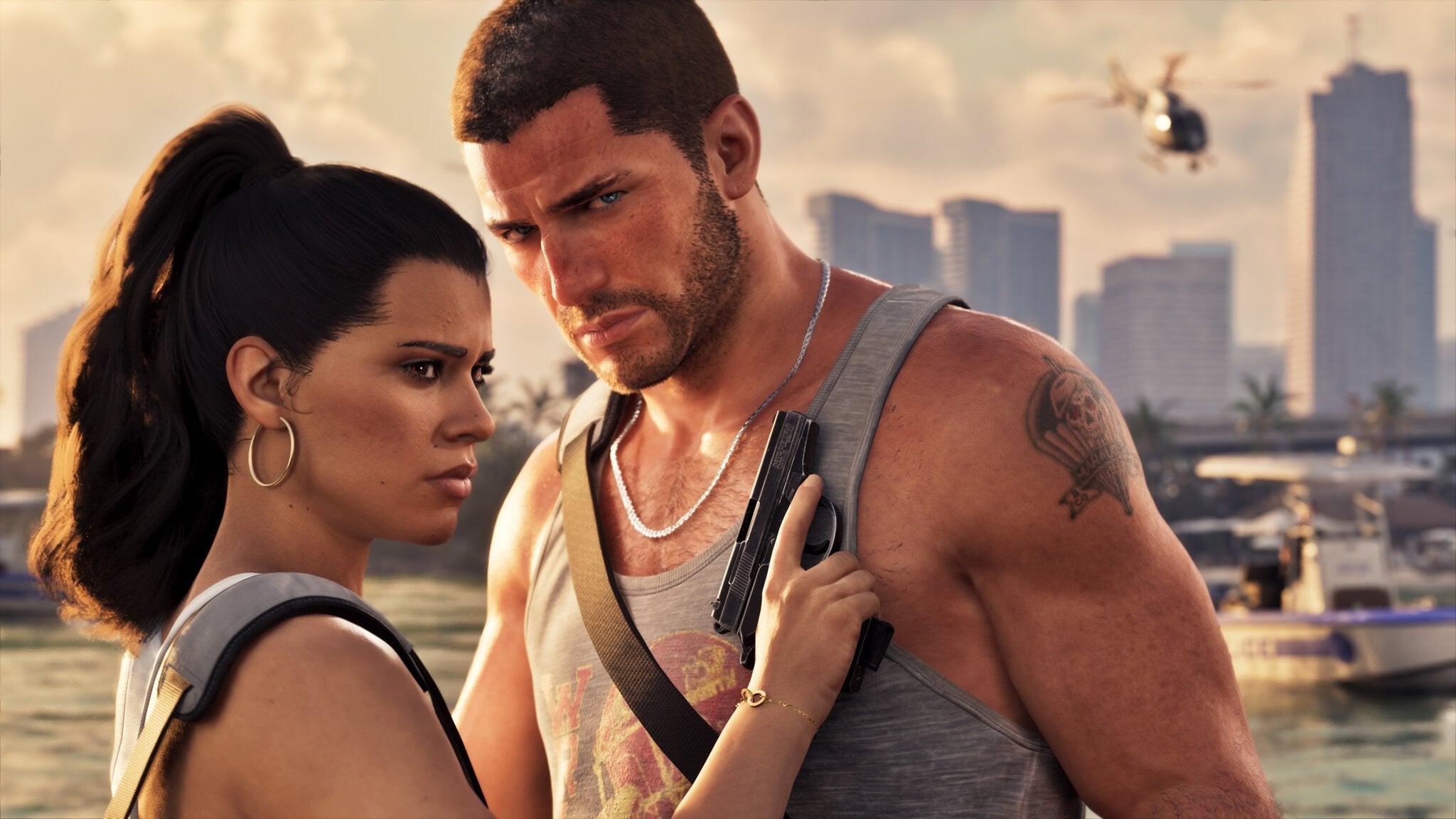
Contextually, this event occurs against the backdrop of the most anticipated release in gaming history, with GTA 6 slated to arrive in November 2026 for PlayStation 5 and Xbox Series X|S. This will be the first mainline entry in the Grand Theft Auto series since the release of GTA V in 2013, a gap that has allowed the game to absorb a cult-like status that few other titles possess. The return to a reimagined Vice City, now part of the broader state of Leonida, and the introduction of new protagonists Jason and Lucia, have fueled a level of scrutiny that transforms every hint or visual into a subject of intense debate. The game is no longer just software; it has become a cultural event where the boundary between the fictional and the real is constantly being tested by its audience.
From an editorial standpoint, this situation illustrates the double-edged sword of fan engagement in the modern era. While the deep dive into the game’s environmental storytelling is a testament to its quality and the dedication of its fanbase, the resulting harassment of private citizens and businesses is troubling. It raises questions about how much responsibility developers have to shield real-world inspirations from the fanatical scrutiny of their audience. As we approach the launch, it is clear that the impact of GTA 6 will be felt long after the credits roll, affecting everything from local tourism boards to small business owners who never asked for the spotlight. The industry must prepare for a post-launch landscape where the game’s influence is as tangible and sometimes damaging as the virtual worlds it creates.
Ultimately, the Cypress Cove incident is a microcosm of the larger challenges facing Rockstar in 2026. They are tasked with delivering a product that satisfies a generation of players who have waited longer for a sequel than for many other major franchises. The intensity of this anticipation means that any detail, from gameplay mechanics to background architecture, is subject to forensic analysis. As the release date nears, we can expect more instances where the digital and physical realms collide, and how these communities react may offer further insight into the cultural weight of the game. It is a reminder that while video games are a form of fiction, their consequences in the real world are very much real.