

Rockstar wants GTA 6's Jason and Lucia to inspire the same sort of "emotional connection" that Red Dead Redemption 2 fans had with Arthur
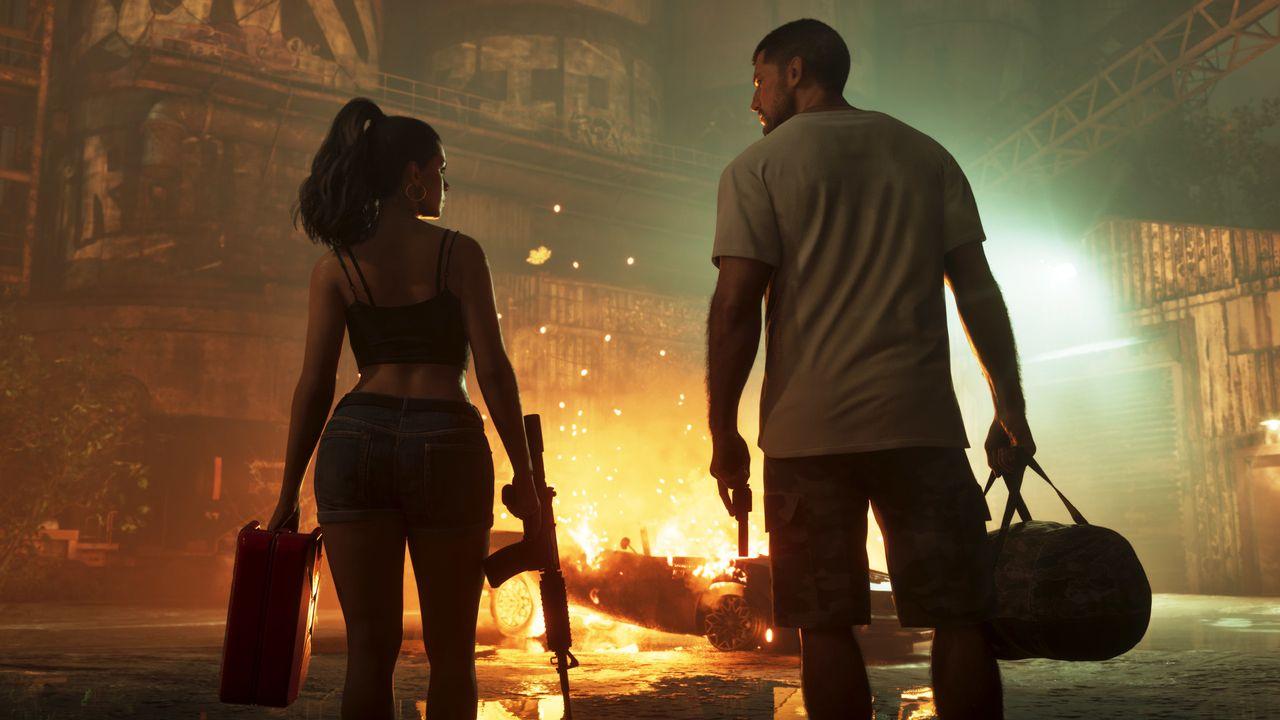
According to GamesRadar, Rockstar North co-studio head Rob Nelson has revealed that the developers are aiming for a specific emotional resonance with the protagonists of Grand Theft Auto VI. Speaking to TroisCouleurs, Nelson stated that the team sought to replicate the profound bond players formed with Arthur Morgan in Red Dead Redemption 2. This ambition extends beyond mere gameplay mechanics, focusing instead on the deep personal attachment audiences developed for the former outlaw. The studio is explicitly trying to translate that same intensity of feeling onto the new leads, ensuring that the narrative weight matches the critical and fan acclaim achieved by its predecessor’s central character.
The decision to return to a multi-protagonist structure is rooted in lessons learned from the previous mainline entry. Nelson explained that the team wanted to continue exploring the idea of multiple playable characters, but with a twist. By centering the story on a couple rather than the trio seen in the fifth installment, the developers believe they can make individual actions feel more consequential. The dynamic between the two leads is designed to have greater narrative impact, allowing the player’s choices to carry more weight within the story’s framework compared to the somewhat diluted focus of earlier games.
Intimacy and quiet domesticity are central to this new approach, serving as a deliberate contrast to the often transactional relationships of past GTA heroes. Nelson pointed to scenes where the characters prepare to go out together, noting the genuine closeness that distinguishes them from the protagonists of Grand Theft Auto V, who largely tolerated one another. These calm, personal interactions are not just filler; they are structural elements meant to heighten the tension during high-stakes sequences. When the narrative becomes violent, such as a scene involving a character being violently thrown down a staircase, the player’s pre-established emotional investment makes the subsequent panic and concern far more visceral.
Nelson emphasized that these quieter moments were among the most compelling aspects of Red Dead Redemption 2, and the team is eager to see if they can successfully transplant those elements into the open-world chaos of Vice City. The strategy relies on the idea that the serene and the violent are inextricably linked; without the former, the latter lacks its full narrative punch. This methodical pacing allows the player to truly care about the well-being of the characters, turning gameplay moments into genuine emotional events rather than just another action sequence to power through.
This development is particularly significant given the unprecedented wait for the next mainline entry in the franchise. As the first major Grand Theft Auto title since 2013, the pressure on Rockstar to innovate while maintaining its signature style has been immense. The focus on deep character dynamics suggests that the studio is prioritizing narrative depth over the sheer volume of content that has characterized recent open-world trends. By anchoring the experience in the relationship between Jason and Lucia, Rockstar is betting that emotional engagement will be the primary driver of player retention and satisfaction, potentially setting a new benchmark for how grand narratives are told in the genre.
Contextually, this narrative direction aligns with the anticipated 2026 launch on PlayStation 5 and Xbox Series X|S, which will see players return to a reimagined Vice City set within the fictional state of Leonida. The shift to a dual-protagonist structure represents a bold evolution from the three-character setup of the previous game, offering a more focused lens through which to view the world’s corruption and chaos. With the release date finally on the horizon, these insights into the character dynamics provide a crucial glimpse into how Rockstar intends to honor the legacy of its past while forging a distinct path for its most anticipated release of the decade.
Ultimately, the choice to mirror the Arthur Morgan effect signals a maturation in Rockstar’s storytelling approach. It is no longer enough to provide a sandbox filled with crime; the company is striving to create a human experience that resonates on a personal level. If successful, this could redefine how audiences engage with open-world games, proving that the most impactful moments often come from the spaces between the explosions. For Take-Two and Rockstar, this is not just about filling a gap in their release schedule, but about securing a powerful emotional legacy for a title that has been the subject of intense speculation for over a decade.