

A Red Dead Redemption 2 system that greatly shaped GTA 6 almost wasn't pitched
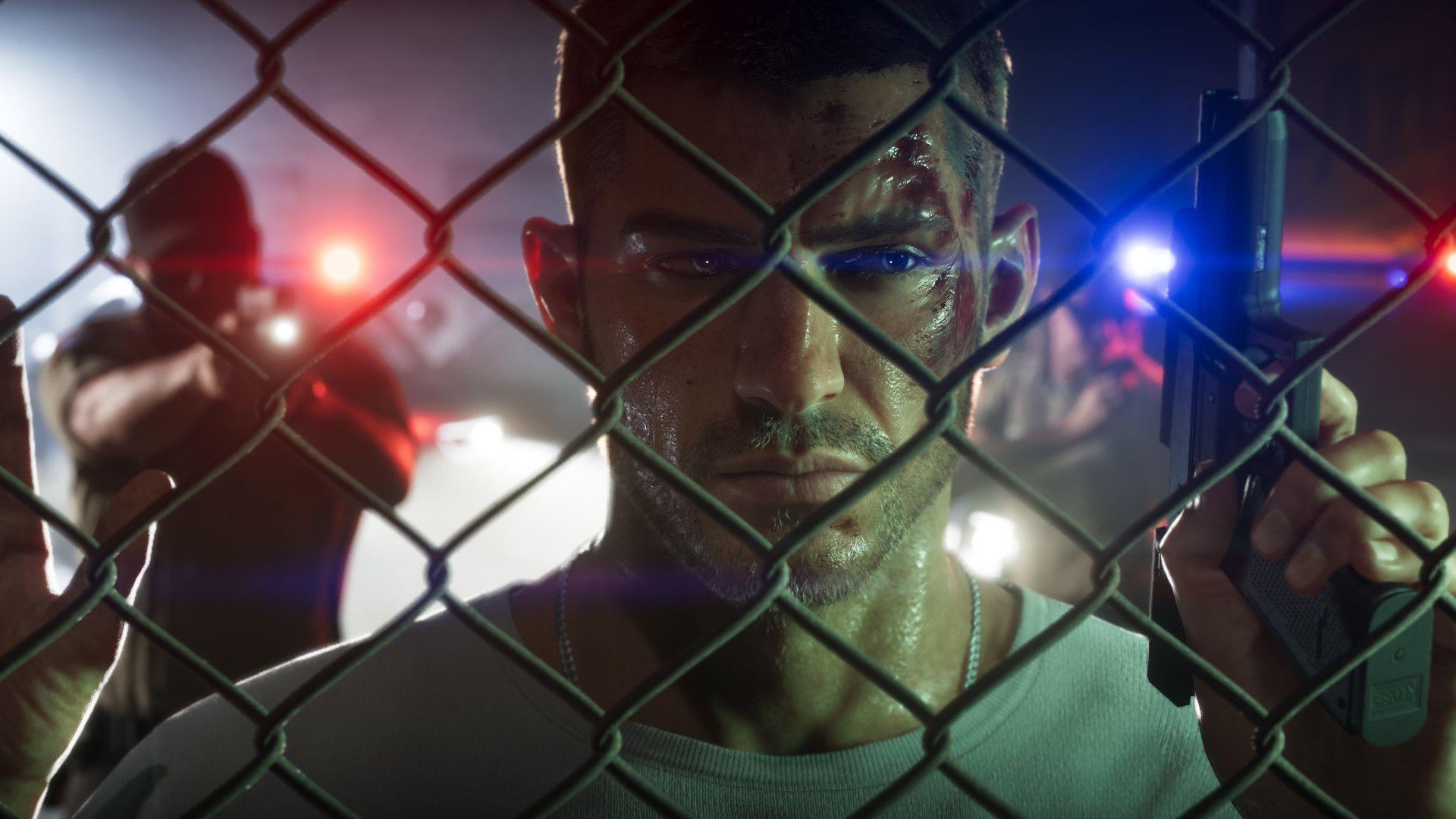
According to recent reports from GamesRadar, a pivotal mechanic in Grand Theft Auto VI nearly never made it into the final product due to initial hesitation among Rockstar’s technical leadership. The feature in question is an evolved version of the non-player character interaction system debuting in Red Dead Redemption 2, which allows players to engage with pedestrians through nuanced social cues rather than immediate combat triggers. This development traces back to a prototype created by Mark Tennant, the vice president of animation, sometime between 2014 and 2015. The concept replaced the standard binary action of aiming a weapon with the ability to greet or antagonize individual characters, a simple idea that proved extraordinarily complex to execute at scale.
The journey of this technology from prototype to flagship feature was not without internal friction. When Tennant first presented the prototype to Phil Hooker, another technical lead at the studio, Hooker recommended against showing it to Rob Nelson, the head of Rockstar North. The concern stemmed from Nelson’s well-documented reputation for pursuing ambitious, labor-intensive projects, a trait that often pushed development teams to their limits. Despite Hooker’s reservations, Nelson was eventually given a demonstration of the system. His reaction was immediate and enthusiastic, reportedly stating, "This is incredible. This will revolutionize the way our games and our worlds work." That endorsement secured the system's place in the development roadmap, validating the extra effort Hooker had feared would be required.
Contextualizing this anecdote requires looking at the sheer stakes of the upcoming title. Grand Theft Auto VI is set to launch in 2026 for PlayStation 5 and Xbox Series X|S, marking the first mainline entry in the series since 2013’s Grand Theft Auto V. The game returns players to a reimagined Vice City within the fictional state of Leonida, featuring two new protagonists, Jason and Lucia. After a decade-long gap between major releases, the industry and the fanbase have been eagerly dissecting every detail about the game’s scope. Knowing that such a core system was once on the chopping board due to resource concerns highlights just how much creative ambition is being squeezed into this single project.
From an editorial standpoint, this near-miss underscores the high-risk, high-reward philosophy that defines Rockstar Games. The hesitation expressed by Hooker was rarely unfounded, as these systems do demand significant computational and design resources. However, the decision to proceed has likely resulted in a more immersive world that justifies the long wait for players. For Take-Two, the parent company, this narrative reinforces why they maintain such a tight grip on Rockstar’s development timeline; the studio is clearly willing to push technical boundaries in ways that competitors may not be equipped to handle. If a system that was initially seen as a potential burden becomes a defining pillar of the game’s identity, it suggests that the investment in internal talent and experimental prototyping is paying off in tangible ways.
The evolution of NPC behavior in GTA VI appears to go far beyond the foundation laid in Red Dead Redemption 2. Rob Nelson has explained to IGN that while previous titles like Grand Theft Auto V offered basic interaction loops, the new game aims to make these encounters more fleshed out and reactive. Nelson noted that traditionally, holding a specific button would immediately lock the player into a combat stance, but increasing graphical fidelity has necessitated a corresponding increase in behavioral complexity. In the new system, the social context of an interaction matters; for instance, eavesdropping on a group of NPCs might be met with curiosity by some characters, while others may react with hostility. This level of nuance suggests a world that feels less like a collection of assets and more like a dynamic environment where the player’s presence has weight.
This shift in design philosophy is particularly interesting when viewed against the backdrop of the game’s anticipated release. With the hardware capabilities of the current generation consoles finally catching up to Rockstar’s ambitions, the studio can realize systems that were previously too expensive to compute. The fact that this specific interaction framework survived internal scrutiny and has now been teased as a "much further" leap from its predecessor indicates that Rockstar is not just matching the technical curve but actively defining it. For a franchise that has dominated the open-world genre for two decades, maintaining a lead in interactive storytelling is crucial to sustaining its cultural relevance and commercial dominance in a crowded market.
Ultimately, the story of the NPC system serves as a microcosm for the broader development of Grand Theft Auto VI. It illustrates a studio that is willing to listen to its employees' concerns about workload but is ultimately driven by a vision that demands perfection over convenience. As we await the full reveal and eventual launch, details like this remind us that the game is not just a matter of expanding the map or adding new vehicles, but of rethinking how players exist within the digital spaces Rockstar creates. The nearly abandoned prototype is now shaping the core experience of what is arguably the most significant video game release of the decade, proving that sometimes the hardest work yields the most memorable results.