

Former Last of Us dev says "the idea of a monolithic GTA 6" or Elder Scrolls 6 is "intimidating"
Matt Radford, a visual effects artist who previously contributed to Naughty Dog’s major titles including The Last of Us and Uncharted 4, has expressed a personal preference for more concise gaming experiences over massive, sprawling blockbusters. Now the founder of his own studio, 5th Corner, Radford discussed his views in a recent conversation with Kiwi Talkz, noting that the sheer scale of upcoming industry giants can feel overwhelming. He specifically cited the prospect of playing another entry in the Grand Theft Auto or Elder Scrolls series as something that feels "intimidating" to him personally, suggesting that the length and scope of these projects act as a barrier to his immediate enjoyment.
According to GamesRadar, Radford’s hesitation stems partly from the practical realities of modern life, arguing that a fifty-hour campaign is a significant time commitment that many players simply cannot manage. He contrasted this with the earlier Uncharted entries, which he remembered fondly for their tighter six to eight-hour runtimes. Even The Last of Us Part II, a title he worked on, struck him as excessively long, leading him to conclude that focused, shorter narratives offer a more accessible and satisfying experience for the modern consumer who may only have a weekend to dedicate to a new release.
Beyond player time constraints, the conversation touched upon the escalating financial pressures within the AAA development sector. Radford noted that while he believes the next Grand Theft Auto installment will be a high-quality product, the industry’s collective desire for its success is driven by the staggering production costs involved. With budgets for modern triple-A titles frequently exceeding $200 or $300 million, a failure would send a worrying signal to the business, reinforcing the notion that developers are increasingly locked into creating massive, expensive spectacles to justify their investment, even if smaller, tighter games might be more efficient or appealing to a different segment of the audience.
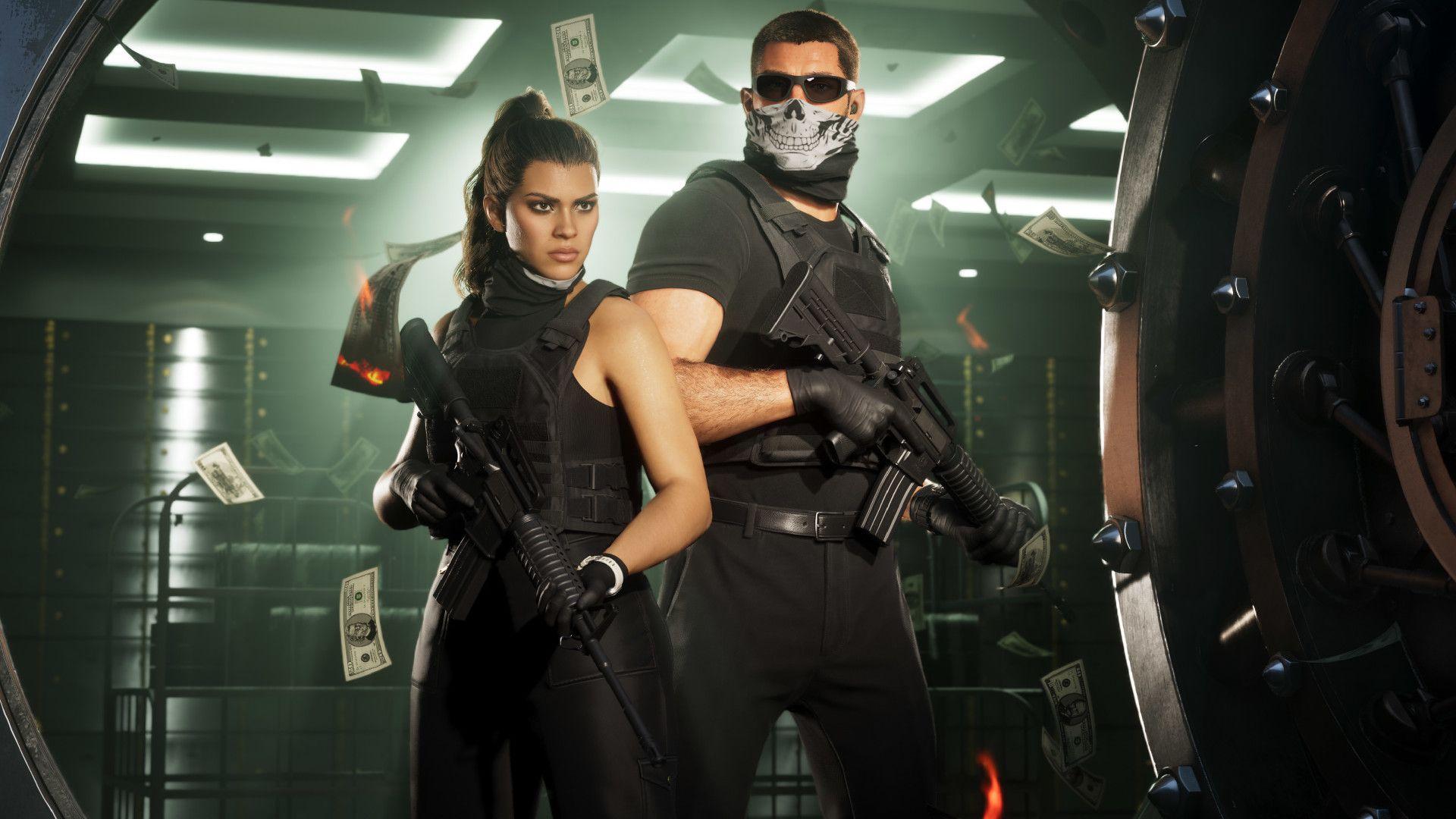
This perspective lands in the middle of a historic moment for the franchise, as Grand Theft Auto VI is set to launch in 2026 on PlayStation 5 and Xbox Series X|S. This release will mark the first mainline Grand Theft Auto title since 2013, ending a long wait that has defined the last decade of the series. The game returns to a reimagined Vice City, set within the fictional state of Leonida, and introduces dual protagonists Jason and Lucia. For many fans, the anticipation is not just about gameplay, but about witnessing the culmination of over a decade of development, marketing, and speculation that has made this title arguably the most anticipated video game release of the generation.
From an editorial standpoint, Radford’s comments highlight a growing tension between the commercial necessity of "monolithic" releases and the evolving habits of the modern player. While Rockstar Games and Take-Two are undoubtedly banking on GTA 6 being a cultural event that justifies its unprecedented budget, the desire for shorter, focused experiences suggests that the industry may be missing a demographic shift. If the primary audience for these massive open-world titles is increasingly fragmented by time poverty, Rockstar’s strategy of doubling down on scale could be a double-edged sword. It ensures a massive launch, but it may alienate the core audience that values density and narrative focus over sheer volume, potentially signaling that the era of the 100-hour blockbuster is becoming less sustainable for mid-tier developers who cannot match Rockstar’s resources.
Ultimately, the success of GTA 6 will likely be measured not just by its sales figures, but by whether it can deliver the depth that justifies its length. If the game manages to make every hour feel purposeful, it will vindicate the high-cost model; if it feels padded, it may accelerate the industry’s pivot toward more manageable projects. For now, the debate serves as a reminder that while the industry chases the next billion-dollar benchmark, a significant portion of the player base is quietly looking for something they can finish and enjoy without a multi-month commitment.