
Grand Theft Auto 6 T-Shirts And More Cause Scalper-Fueled Chaos at Tokyo Game Show
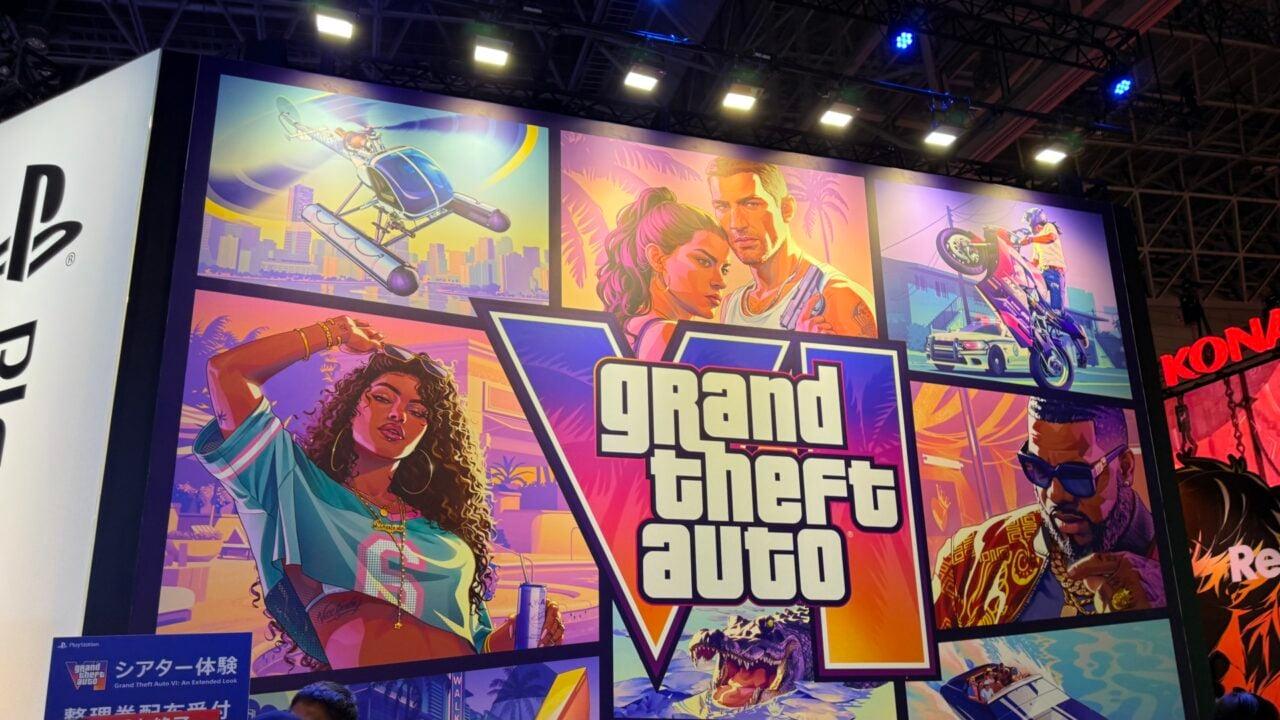
The opening public days of Tokyo Game Show 2026 have devolved into a chaotic spectacle of overcrowding and profiteering, with the Grand Theft Auto 6 booth serving as the epicenter of the unraveling. According to Kotaku, the intense demand for the event's customary promotional items has turned what should be a celebratory showcase into a frenzied scramble. The situation reached a critical point when the line for the Rockstar title hit maximum capacity within just ten minutes of the gates opening, forcing organizers to cut off entry to prevent further congestion. This rapid saturation highlights just how voraciously the global gaming community is latching onto any tangible connection to the long-awaited sequel.
At the heart of this frenzy is a limited-edition t-shirt distributed at the PlayStation booth, which features the console's button icons rendered in the distinctive gradient color scheme of the upcoming game. These shirts, originally intended as free bonuses for attendees participating in an immersive screening of the Netflix showcase, were immediately snapped up by resellers. Listings on the Japanese auction platform Mercari have seen prices skyrocket, with individual shirts fetching over 12,000 yen, or approximately $76, a significant markup on an item that cost the buyer nothing but time and a spot in a dangerous crowd.
The chaos extends well beyond the Rockstar and PlayStation areas, illustrating a broader systemic issue at the 30th anniversary edition of the show. A special Red Bull zone planned to hand out light-up metal tumblers with energy drinks was forced to suspend distribution due to dangerous overcrowding, though it resumed later in the day with the items already being resold for over 6,000 yen. Similar profiteering has been reported for promotional cards from Palworld and Final Fantasy, as well as a niche doujin magazine from Game Freak, proving that the scalper economy has permeated every corner of the event, from major AAA titles to indie curiosities.
This surge in secondary market activity underscores the unique historical weight of Grand Theft Auto 6, which is slated for release in 2026 on PlayStation 5 and Xbox Series X|S. As the first mainline entry in the franchise since Grand Theft Auto V in 2013, the game represents a decade of anticipation centered on the return of a reimagined Vice City and the fictional state of Leonida. The narrative focus on the leads Jason and Lucia has fueled a level of curiosity that transcends typical sequel hype, turning even simple merchandise into high-value commodities for collectors and resellers alike. The sheer volume of people willing to endure such conditions indicates that the game is not just an entry in a series, but a cultural event of the highest order.
From an editorial perspective, this scene at Tokyo Game Show serves as a stark barometer for the pressure Rockstar Games and Take-Two are under. The fact that a simple t-shirt can command a premium price tag before the game has even launched suggests that consumer expectation is bordering on the feverish. For Strauss Zelnick and his team, this is a double-edged sword; while it validates the commercial potential of the title, it also raises the stakes for the actual product. If the community is willing to pay nearly eighty dollars for a piece of fabric, the expectation for the gameplay experience will be exponentially higher, leaving little room for the kind of delays or iterative development that has characterized recent Rockstar projects. The financial success of the scalper market is a testament to the brand's power, but it also signals a volatile fanbase that may be less forgiving of any missteps during the final stretch of development.
The safety implications of this behavior are becoming increasingly difficult to ignore, with organizers already struggling to manage the density of the crowds. The cancellation of the Red Bull distribution due to hazardous conditions is a warning shot that other vendors may follow suit, potentially eliminating free handouts entirely in future years to ensure attendee safety. This echoes trends seen in recent years with Metal Gear Solid merchandise, where the influx of resellers has forced organizers to reconsider their distribution strategies. As Tokyo Game Show moves forward, the tension between rewarding fans and managing the influx of professional scalpers will likely define the remainder of the event, and perhaps set a precedent for how major industry showcases handle promotional giveaways in the post-pandemic era.
Ultimately, the chaos at the Tokyo Game Show is a microcosm of the current state of Grand Theft Auto 6's reception. It is a game that exists in a space between reality and myth, where the tangible objects associated with it carry more immediate value to many than the digital product itself. As the typhoon season threatens to shorten the event further, the image of fans and resellers jostling for a piece of the Rockstar legacy remains a powerful, if troubling, symbol of the era. The market value of these items will likely stabilize once the game launches and the initial scarcity breaks, but the incident cements the fact that we are living through a period of unprecedented demand for this specific franchise, one that no amount of prior marketing could have fully predicted or contained.