
GTA 6 Developer Rockstar Says It Will Defend Itself 'Vigorously' From Union Claims as Employment Tribunal Over the Firing of 31 Workers Gets Underway
The Glasgow Employment Tribunal opens its doors this morning to a high-stakes legal confrontation involving Rockstar Games and the Independent Workers of Great Britain (IWGB). The core of the dispute centers on the termination of thirty-one UK-based employees, whom the union alleges were unlawfully dismissed in October of last year due to their unionization efforts. According to the claims filed by the IWGB, these individuals were subjected to blacklisting and targeted specifically because of their labor activism. Furthermore, the union asserts that the dismissal process violated employment standards, as the terminations occurred without a formal disciplinary hearing or any provision for an appeal.
Rockstar Games has categorically rejected the narrative that union activity drove these job cuts. The studio maintains that the affected staff members were let go for a different reason entirely: leaking confidential game features through Discord channels. This distinction is crucial to the company's defense, as it shifts the justification from labor relations to intellectual property protection and internal security breaches. The legal battle will now hinge on whether the tribunal accepts the studio's claim of misconduct or the union's argument that the leak allegations were a pretext for silencing organized labor efforts within the development team.
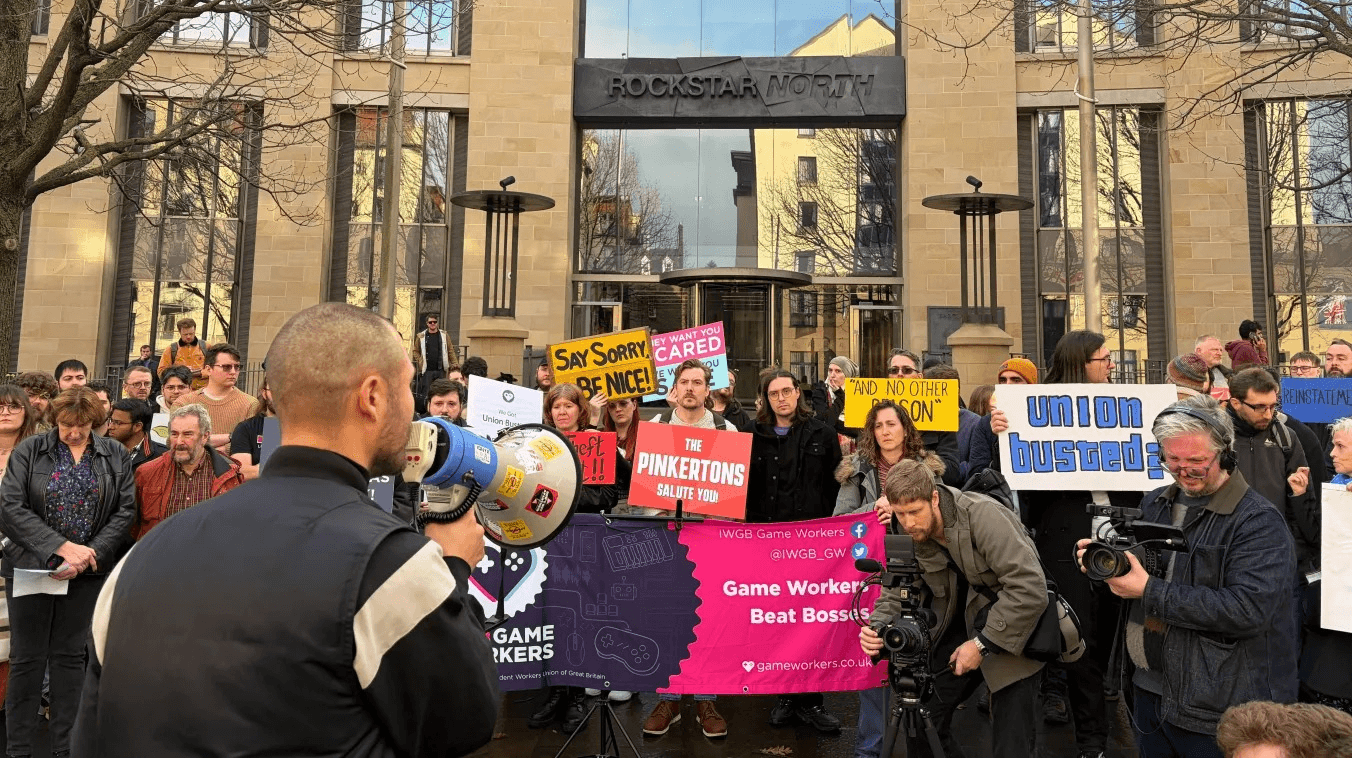
This legal hearing is the latest development in a significant labor controversy that began with the dismissal of thirty-four staff members across two continents. In addition to the thirty-one UK employees currently at the center of this tribunal, three colleagues in Canada were also fired during the same period. The initial wave of terminations triggered visible public unrest, with protests erupting outside the Rockstar North headquarters in Edinburgh and the offices of parent company Take-Two Interactive in London. These demonstrations highlighted the growing tension between major game developers and the organized workforce, marking a rare instance of visible labor activism in the high-profile world of AAA game development.
The individuals involved in this dispute were all reportedly working on Grand Theft Auto VI, the industry’s most anticipated title in nearly a decade. The game is set in a reimagined version of Vice City, situated within the fictional state of Leonida, and follows the dual protagonists Jason and Lucia. As the first mainline entry in the Grand Theft Auto franchise since the 2013 release of GTA V, the project carries immense commercial weight for both Rockstar and Take-Two. With a launch window currently anticipated for 2026 on PlayStation 5 and Xbox Series X|S, any legal distractions or reputational damage could have complex implications for the title's marketing and development stability.
From an editorial standpoint, this tribunal represents more than just a standard employment dispute; it is a critical test case for labor relations in the modern gaming industry. For a company that has built its brand on creative freedom and cultural impact, being entangled in allegations of union-busting creates a significant reputational risk. Take-Two, as the parent corporation, must navigate this carefully, as prolonged legal battles can distract management and potentially chill internal innovation. If the tribunal sides with the IWGB, it could set a precedent that encourages further organized labor movements within other major studios, fundamentally altering the power dynamics between developers and their employees in the coming years.
The outcome of these proceedings will likely have ramifications that extend well beyond the immediate participants. If Rockstar is found to have unlawfully blacklisted these workers, it could lead to substantial financial penalties and mandatory changes in HR policy. Conversely, a victory for the studio would reinforce its stance on intellectual property security, potentially making it harder for employees to form unions in the future without facing similar scrutiny. This case sits at the intersection of corporate legal strategy and broader social movements, reflecting a shifting landscape where the rights of creative workers are increasingly being challenged in formal legal arenas rather than just through internal company channels.
As the hearings progress, the focus will remain on the evidence presented regarding the Discord leaks and the timeline of the dismissions. The IWGB will likely seek to demonstrate a pattern of targeted retaliation, while Rockstar will argue for the individual merit of each firing based on security breaches. Regardless of the verdict, this episode underscores the heightened sensitivity surrounding Grand Theft Auto VI. With the entire industry watching, the tribunal’s decision will not only impact the thirty-one individuals involved but will also serve as a defining moment for how Rockstar Games manages its workforce in the lead-up to what is expected to be one of the most expensive and anticipated launches in gaming history.