

GTA 6 promises to be an RPG like nothing the series has ever seen, but Rockstar says there's still a balance to strike
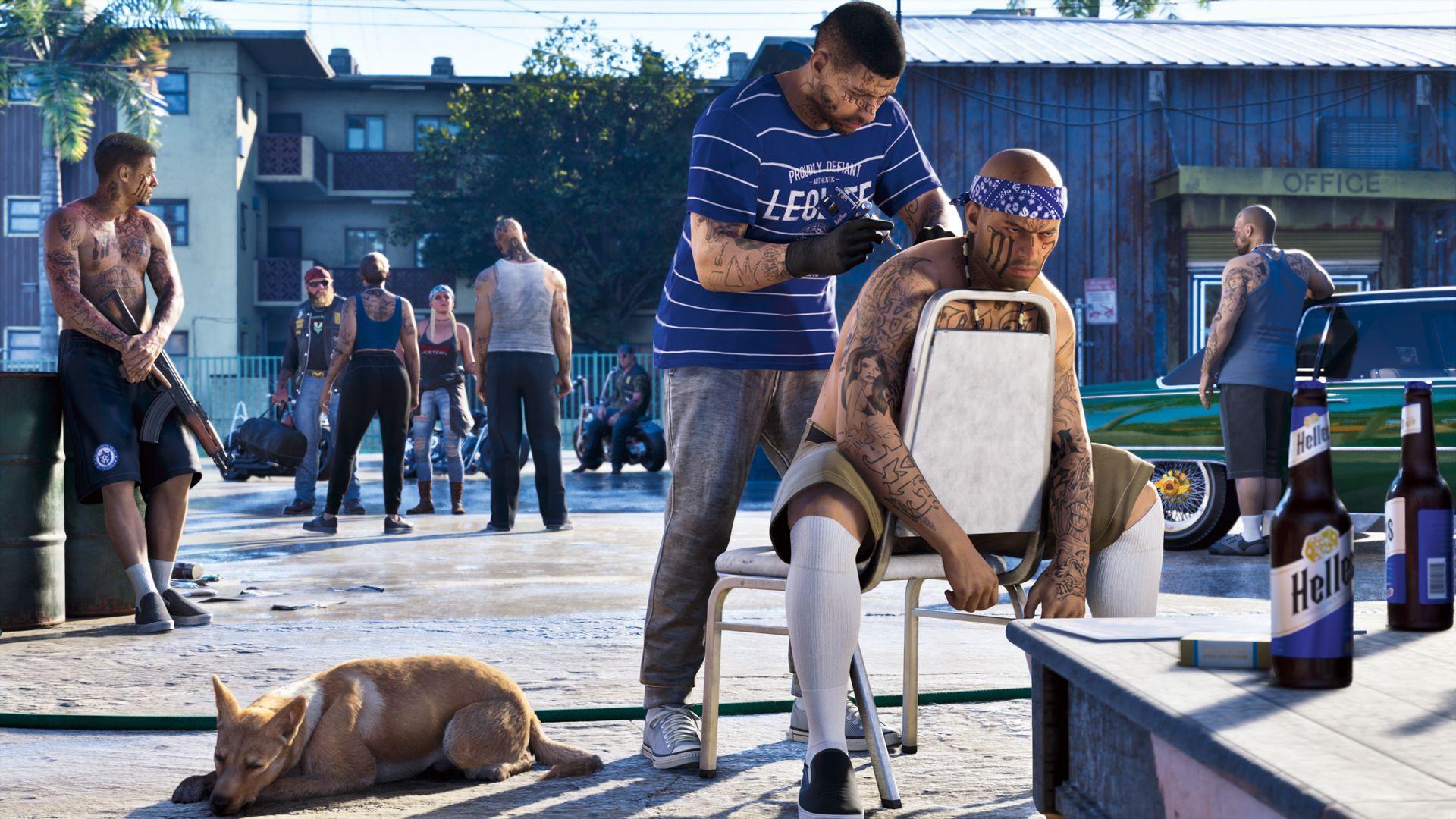
Rockstar Games is positioning its upcoming flagship title as a role-playing experience of unprecedented depth, though developers acknowledge the delicate task of ensuring these new systems do not overwhelm the player. According to reporting from GamesRadar, Aaron Garbutt, the head of development, emphasized the freedom players will have to shape their own narrative within the simulation. He noted that individuals can choose to engage in mundane daily activities, such as purchasing groceries or riding public transport, effectively constructing a personal lifestyle within the digital world rather than just following a linear path. This shift signals a move away from the strict mission-based structure of previous entries, inviting players to inhabit the city more organically.
However, the studio is acutely aware that adding layers of complexity carries the risk of alienating the audience. Rob Nelson, another lead developer, stressed the importance of maintaining a balance where features feel organic rather than forced. He warned against the trap of dumping excessive mechanics onto the user, which could lead to rejection rather than engagement. Instead, the goal is to allow players to naturally gravitate toward the activities that resonate with them, establishing a comfortable rhythm of play. This philosophy suggests a design approach focused on player agency, where the depth of the RPG elements serves as an optional layer of immersion rather than a mandatory hurdle.
This expansion of gameplay loops extends even to the most minor aspects of urban life, with a particular emphasis on the reliability of the city's infrastructure. Phil Hooker, a lead developer, described his personal obsession with ensuring that public transit functions realistically and punctually. He revealed that he frequently tests the bus routes himself, having memorized the schedules and paths to guarantee they operate as intended. This level of granular attention to detail implies that players may spend significant portions of their time outside of a vehicle, navigating the streets on foot or via bus, which stands in stark contrast to the driving-centric nature of past titles.
The implications of this design choice are significant for the series' identity. By allowing players to potentially go for hours without triggering core mechanics like the wanted system, Rockstar is creating a sandbox that prioritizes atmospheric immersion over constant conflict. This approach could result in a game where the main story is just one thread among many, with side content offering a substantial and self-contained experience. Given the enduring popularity of the previous installment, which has seen millions of players return years after its release, the studio appears confident that a richer, more open-ended RPG structure will deepen long-term engagement and community longevity.
This development philosophy is particularly notable given the sheer scale of the project and the anticipation surrounding the release. As the first mainline entry in over a decade, the game is set to launch in 2026 on PlayStation 5 and Xbox Series X|S, marking a return to a reimagined Vice City and the fictional state of Leonida. With protagonists Jason and Lucia set to lead the narrative, the focus on individualized player expression aligns perfectly with the dual-protagonist structure. The ability to define one's own routine within this sprawling new map suggests that the game will offer a variety of ways to experience the world, catering to both action-oriented players and those who prefer a slower, more observational pace.
From an editorial standpoint, this strategy represents a mature evolution of the open-world formula. For a franchise that has defined the genre for twenty years, the willingness to embrace RPG-like depth without sacrificing accessibility is a crucial step to remain relevant. It suggests that Rockstar is not merely iterating on previous successes but is actively rethinking how players interact with virtual cities. If executed correctly, this balance could address common criticisms of repetitive side activities, offering a sense of genuine progression and personalization that has been lacking in recent open-world titles. It is a bold bet that the player base is ready for a game that respects their time and intelligence, allowing them to craft a unique experience rather than simply checking off a list of objectives.
Ultimately, the success of this approach will hinge on how seamlessly these new systems integrate with the core gameplay. The line between immersive simulation and cluttered interface is thin, and Rockstar’s stated intent to let players "lean into" their preferred playstyle is a promising indicator of their design maturity. As the release date approaches, the community will be watching closely to see if these promises translate into a cohesive and engaging product. The focus on details like bus schedules and personal routines hints at a world that feels truly alive, a testament to the studio's commitment to creating a living, breathing environment that goes beyond the traditional crime drama framework of its predecessors.