

'It's Every Motherf***er for Himself!' — The San Andreas Mission You Need to Play Before GTA 6
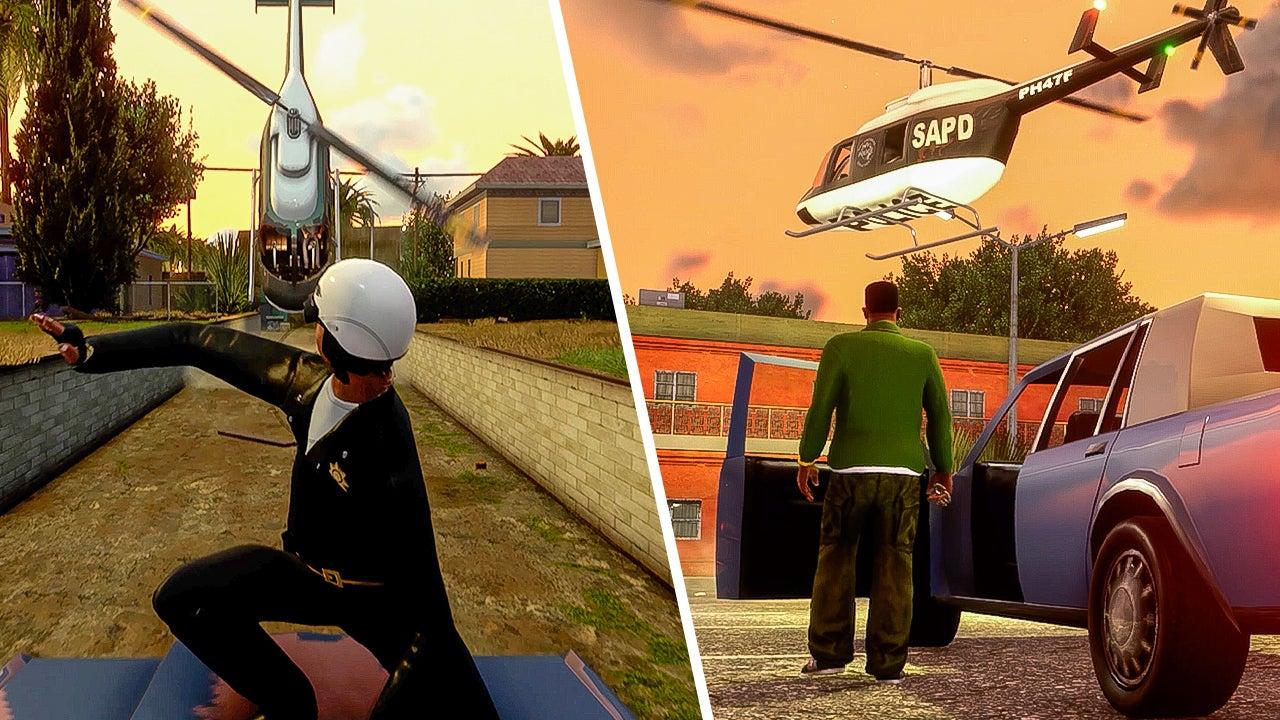
As the release date for the next major title looms, it is worth revisiting the specific narrative techniques that defined Rockstar’s previous masterpiece, particularly the mission known as Reuniting the Families in Grand Theft Auto: San Andreas. According to IGN, this specific sequence stands as a prime example of how the developer successfully blurred the line between interactive gameplay and cinematic storytelling. While the 2023 trailer on Netflix offered a glimpse into the modern cinematic ambitions of the franchise, the foundation for that style was laid over two decades ago. The studio has always drawn heavily from film, but San Andreas pushed the medium further by placing the player directly into scripted, high-tension scenarios that felt less like open-world fetch quests and more like leading roles in a crime thriller.
The significance of Reuniting the Families lies in its deliberate restriction of player freedom in favor of directed intensity. For much of the 3D era, the series relied on the vast outdoor sandbox, allowing players to traverse any road or alley with minimal guidance. However, San Andreas introduced a more authored experience by frequently moving action indoors, utilizing rooms and corridors as controlled stages for dramatic set-pieces. This design choice allowed for a level of tension and oversight that the sprawling, simulated cityscapes of earlier entries could not achieve. By forcing the player into a tighter, more manageable space, the developers were able to craft a getaway sequence that felt significantly more dramatic and cohesive than anything the series had previously offered.
In this pivotal moment, the protagonist CJ accompanies his brother Sweet and fellow gang members Ryder and Smoke to the Jefferson Motel to reunite the fractured Grove Street Families. The setting is tense, with the rival Ballas gang having nearly taken over Los Santos through their drug operations. Sweet intends to negotiate with the heads of the different sets to restore order, while CJ and the others wait outside. The atmosphere is thick with anticipation, mirroring the quiet before the storm in classic crime films. It is a standard setup for a gang meeting, but the underlying narrative promise is clear: a successful unification will allow Grove Street to reclaim the streets and strike back against their enemies.
That promise is shattered the moment Sweet enters the building, as a massive police force arrives to arrest him. In a defining character study, Ryder and Smoke abandon the situation, with one of them declaring, “It’s every motherf*cker for himself!” This betrayal forces CJ to make a split-second decision to head into the motel to save his brother, transforming a negotiation into a chaotic rescue mission. The shift from passive observer to active protagonist is instantaneous and high-stakes. It is a moment that exemplifies the game’s strength in using cutscene-like direction to guide the player through a sequence that feels both urgent and meticulously choreographed, ensuring the emotional weight of the scene lands with full impact.
Understanding this history is crucial as we approach the anticipated 2026 launch on PlayStation 5 and Xbox Series X|S. Grand Theft Auto VI is not merely another entry in a long-running series; it is the first mainline installment in over a decade, following the 2013 release of GTA V. The game marks a significant return to the fictional state of Leonida, featuring a reimagined Vice City and introducing a new dual-protagonist dynamic centered on Jason and Lucia. Fans have waited a long time for this return to the Gulf Coast setting, and the narrative structure will likely draw on the same blend of open-world freedom and scripted cinematic moments that made San Andreas a landmark title. The contrast between the sprawling digital landscapes of the previous era and the focused storytelling of the 2013 entry sets the stage for a game that must balance player agency with narrative control.
From an editorial perspective, the legacy of missions like Reuniting the Families highlights the enduring challenge for Rockstar Games and Take-Two Interactive: maintaining the magic of interactive cinema in an era of heightened player expectations. The decade-long wait for this new entry means that the bar for narrative cohesion and directorial flair has never been higher. If the studio can successfully translate the tight, directed tension of older titles into the modern technical landscape of the PS5 and Series X|S, it could redefine what is possible in open-world design. The risk, however, is over-reliance on scripted sequences that may feel disconnected from the sandbox, a pitfall that has plagued other major franchises. The success of GTA VI will depend on whether Rockstar can make players feel like true leading actors in their own story, rather than just observers of one.
Ultimately, revisiting these foundational pieces of Grand Theft Auto history serves as a reminder of why the franchise remains a cultural touchstone. The ability to blend the freedom of a city sandbox with the emotional resonance of a film noir is a rare skill, one that Rockstar mastered in San Andreas and is now expected to refine in their next vision. As we await the full details of Jason and Lucia’s story in Leonida, the lessons from the past suggest that the most memorable moments will likely be those where the open world pauses, the camera tightens, and the player is thrust into a scenario that demands not just reflexes, but emotional investment. The journey back to Vice City is not just about new cars or maps; it is about the continued evolution of how interactive stories are told.